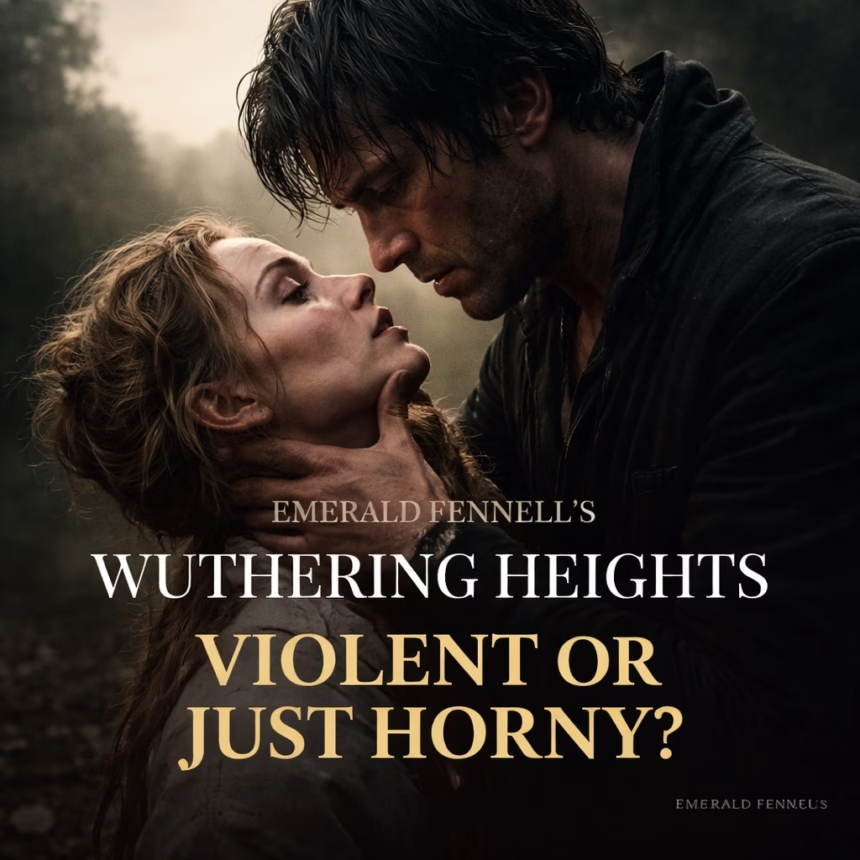
Emerald Fennell's reimagining of Emily Brontë’s *Wuthering Heights*, released in 2020, has ignited a fierce debate among critics and audiences alike. The film, a dark and twisted romance, has been praised for its visual style and performances, but also heavily criticized for its controversial depictions of violence and sexuality. The film premiered at the Toronto International Film Festival in September 2020 and subsequently secured a wide theatrical release.
Background: A Gothic Echo
*Wuthering Heights*, first published in 1847, is a seminal work of English literature. The novel tells the story of the passionate and destructive relationship between Catherine Earnshaw and Heathcliff, set against the bleak Yorkshire moors of England. Brontë’s novel is celebrated for its exploration of themes like class, social mobility, revenge, and the enduring power of love and obsession. It's a cornerstone of Gothic literature, known for its atmospheric settings, intense emotions, and supernatural undertones. The novel’s popularity has sustained it as a literary classic for over 170 years.
Key Developments: From Adaptation to Controversy
Fennell, known for her work on the series *Killing Eve* and the film *Promising Young Woman*, took on the challenge of adapting Brontë’s complex narrative. Her film departs significantly from the novel’s structure and tone, opting for a more stylized and provocative approach. The film centers on Catherine Earnshaw (played by Anya Taylor-Joy) and Heathcliff (played by Tom Hardy), depicting their tumultuous relationship through a series of intense and often graphic scenes.
One of the most debated aspects of the film is its portrayal of violence and sexuality. Critics have argued that Fennell’s adaptation prioritizes shock value over faithful representation of the novel’s themes. Many have pointed to scenes depicting sexual assault and violence as being gratuitous and exploitative. The film's marketing campaign, which featured suggestive imagery and provocative slogans, further fueled the controversy. Public reaction has been polarized, with some viewers finding the film daring and empowering, while others deem it exploitative and unnecessarily graphic. The film received a Runtime rating of R, reflecting its mature themes.
More Read

Impact: A Divided Audience
The film's impact has been significant, sparking widespread discussion about the representation of violence and sexuality in cinema. Critics have divided sharply on the film’s artistic merit, with some praising its visual artistry and performances while others criticize its exploitative content. The film’s strong performances by Taylor-Joy and Hardy have garnered attention, but the controversy has overshadowed some of the positive aspects.
The debate surrounding *Wuthering Heights* has extended beyond film critics and into broader cultural conversations. Activist groups have voiced concerns about the film’s potential to normalize violence and sexual assault. The film has also faced scrutiny regarding its portrayal of historical trauma and the potential for perpetuating harmful stereotypes. The film’s box office performance, while respectable, has not been enough to fully offset the negative press.
The Violence Debate
Critics have questioned whether the film accurately reflects the intensity of the novel’s passionate, but ultimately destructive, relationship. They argue that the film’s depiction of violence is excessive and sensationalized, detracting from the novel’s exploration of psychological complexities. The film’s depiction of Catherine’s actions, particularly in the final scenes, has been particularly contentious, leading to calls for boycotts and protests.
More Read

The Sexual Content Controversy
The film’s depiction of sexual acts has been a major point of contention. Many viewers and critics have argued that the scenes are exploitative and gratuitous, particularly given the film’s overall tone. Some have criticized the film for sexualizing violence and contributing to a culture of sexual exploitation. Others have defended the film, arguing that the scenes are necessary to depict the intensity of Catherine and Heathcliff’s relationship and the destructive nature of their obsession.
What Next: Future of the Adaptation
The future of *Wuthering Heights* on screen remains uncertain. While the film has been released, there are no immediate plans for a sequel or further adaptations. However, the controversy surrounding the film has raised questions about the potential for future adaptations to address concerns about violence and representation.
Potential for Further Discussion
The film’s impact has sparked a broader conversation about the ethics of adapting classic literature and the responsibility of filmmakers to address sensitive themes responsibly. It is likely that future adaptations of *Wuthering Heights*, or similar works, will face increased scrutiny regarding their portrayal of violence and sexuality. The film’s success, or lack thereof, could influence the direction of future adaptations and the types of stories that are deemed appropriate for cinematic representation.