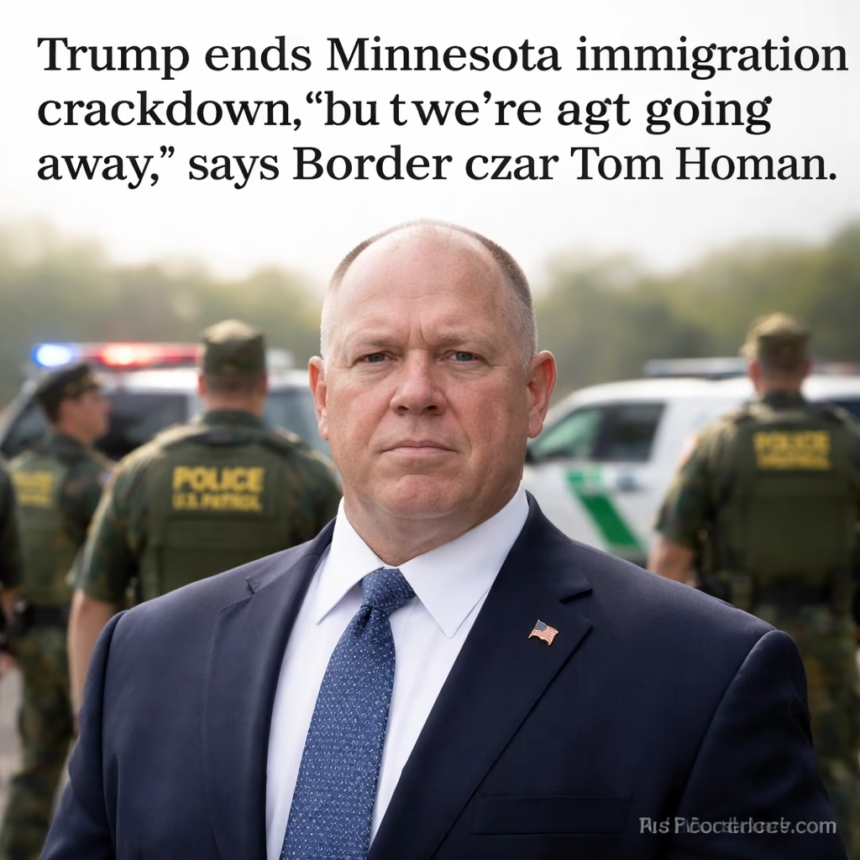
Border Shift: Trump Rollback Sparks Uncertainty in Minnesota
Minneapolis, MN – President Donald Trump has reportedly ended a controversial immigration enforcement initiative in Minnesota, effective immediately. The move, announced on August 31, 2018, follows months of criticism and legal challenges. However, the administration's hardline stance on border security remains firmly in place, according to a senior border official.
Background: Operation Carry Guard
In late 2017, the Trump administration initiated "Operation Carry Guard," targeting undocumented immigrants who had committed state crimes in Minnesota. The initiative, spearheaded by the Department of Homeland Security (DHS) and Immigration and Customs Enforcement (ICE), aimed to work with state and local law enforcement to identify and detain individuals facing deportation. The operation focused on individuals convicted of offenses such as assault, burglary, and drug trafficking, effectively leveraging state-level criminal records to facilitate immigration enforcement.
The plan drew immediate fire from Minnesota officials, including Governor Becky Walz (D), who argued it overstepped federal authority and undermined trust between law enforcement and immigrant communities. Critics also raised concerns about racial profiling and the potential for discriminatory enforcement.
Key Developments: A Sudden Retreat
The announcement of Operation Carry Guard’s termination came unexpectedly. While DHS officials initially defended the program as a necessary component of border security, the shift reportedly occurred after internal reviews and pressure from the White House legal team. The decision followed legal challenges filed by Minnesota state officials, who sought to block the operation's implementation, arguing it violated due process and state sovereignty.
More Read

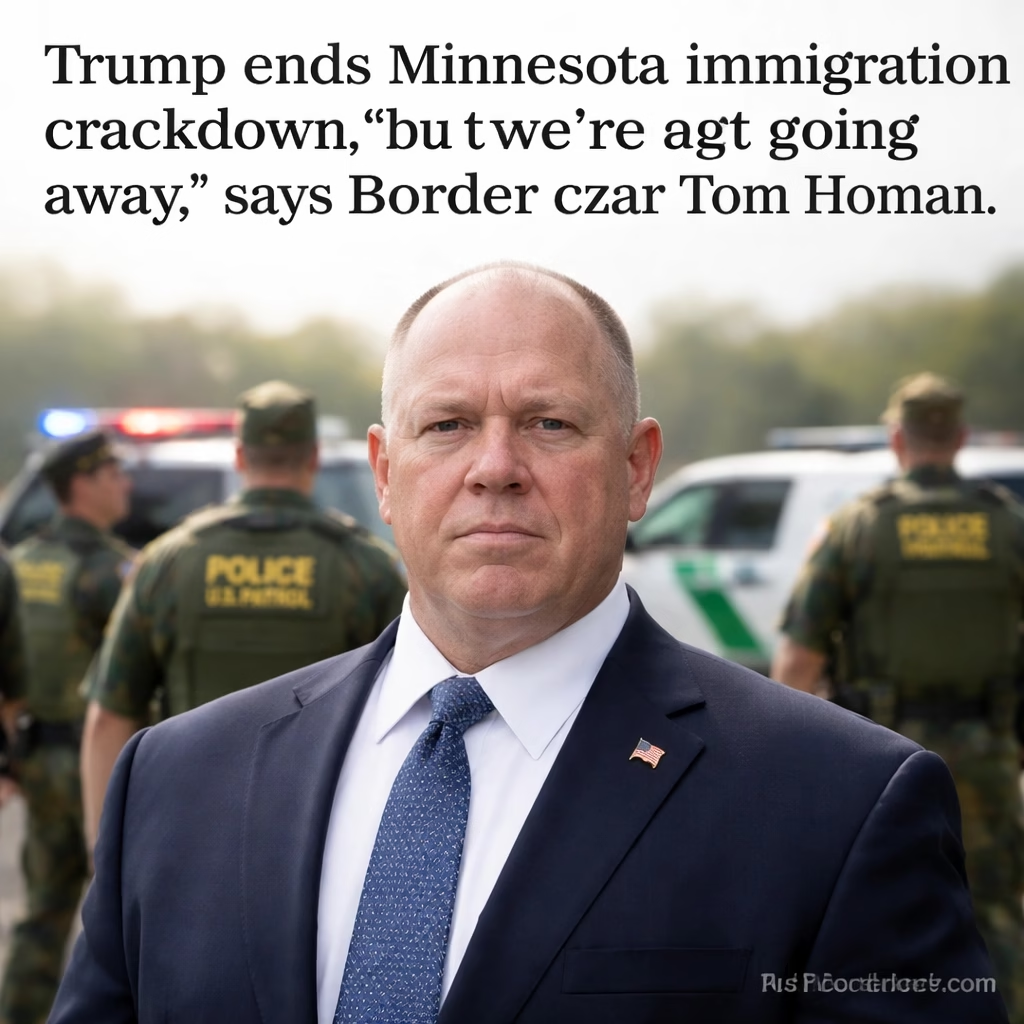
Tom Homan, former Acting Director of ICE, addressed the change in a statement released on August 31. “While Operation Carry Guard has concluded in Minnesota, let me be clear: we are not going away,” Homan stated. "ICE will continue to work with state and local partners to enforce federal immigration law where violations occur."
Impact: Relief and Lingering Concerns
For Minnesota Residents
The end of Operation Carry Guard has been met with cautious relief by many community organizations and legal advocates in Minnesota. Groups like the Minnesota Immigrant Rights Alliance (MIRA) expressed hope that the rollback would reduce anxiety among immigrant communities and lessen the risk of unwarranted ICE enforcement actions. “This is a positive step,” said MIRA Executive Director, Mariel Espronceda, “but we need continued vigilance to protect the rights of all residents.”
For Law Enforcement
The move also impacts Minnesota law enforcement agencies. Some officers had expressed concerns about being drawn into immigration enforcement activities, fearing it would strain resources and damage community relationships. The decision to halt Operation Carry Guard provides a degree of clarity regarding the scope of federal involvement in state-level criminal justice.
More Read

For Undocumented Immigrants
Undocumented immigrants in Minnesota remain vulnerable to deportation. While the specific threat posed by Operation Carry Guard has diminished, ICE continues to monitor individuals with criminal records. Legal experts caution that the end of one initiative does not negate the broader risk of immigration enforcement actions.
What Next: A Shifting Strategy
While Operation Carry Guard has concluded in Minnesota, the Trump administration is expected to continue pursuing alternative strategies for enforcing immigration law. These may include increased enforcement along the U.S.-Mexico border, expanded use of detention facilities, and targeted enforcement actions against individuals with serious criminal records.
The administration has also signaled a continued focus on legal challenges to immigration policies, particularly those aimed at providing sanctuary to undocumented immigrants. The future of immigration enforcement in Minnesota, and across the country, remains uncertain.
Ongoing Legal Battles
Several legal challenges related to immigration enforcement continue to work their way through the court system. These cases could significantly impact the scope and application of federal immigration law in the coming months and years.