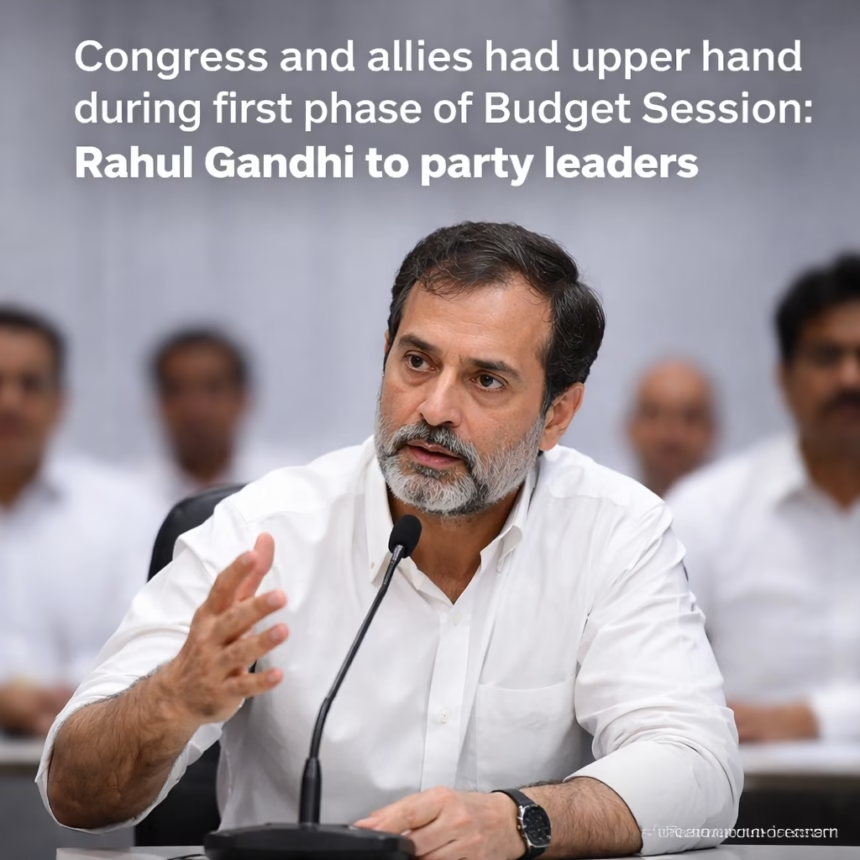
Budget Battle: Opposition Highlights Congressional Advantage in Early Session
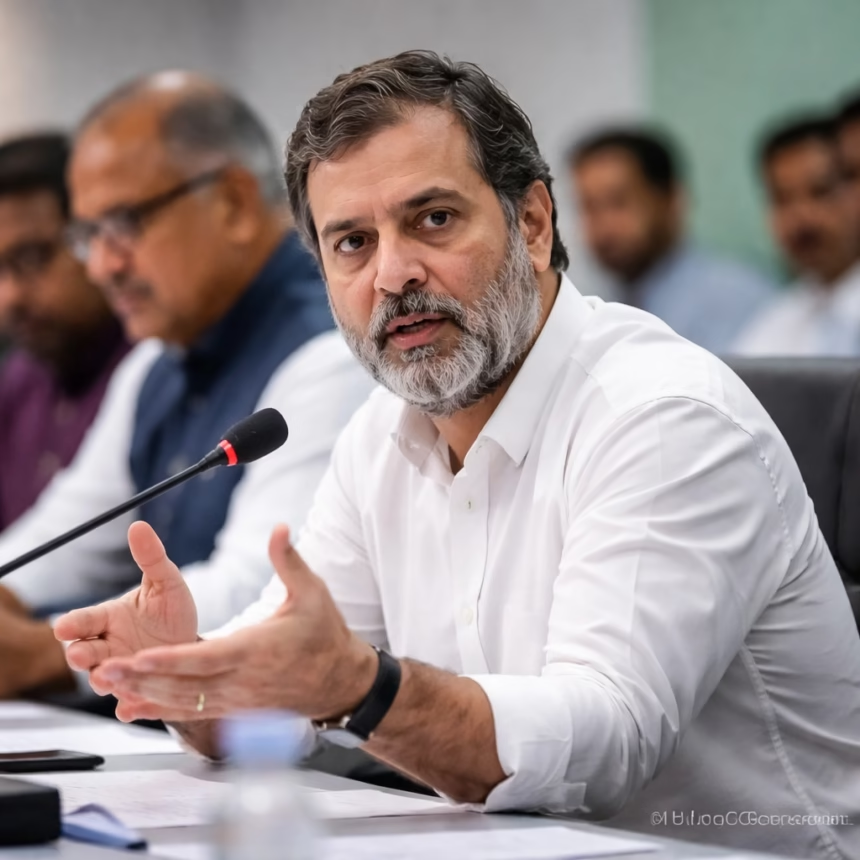
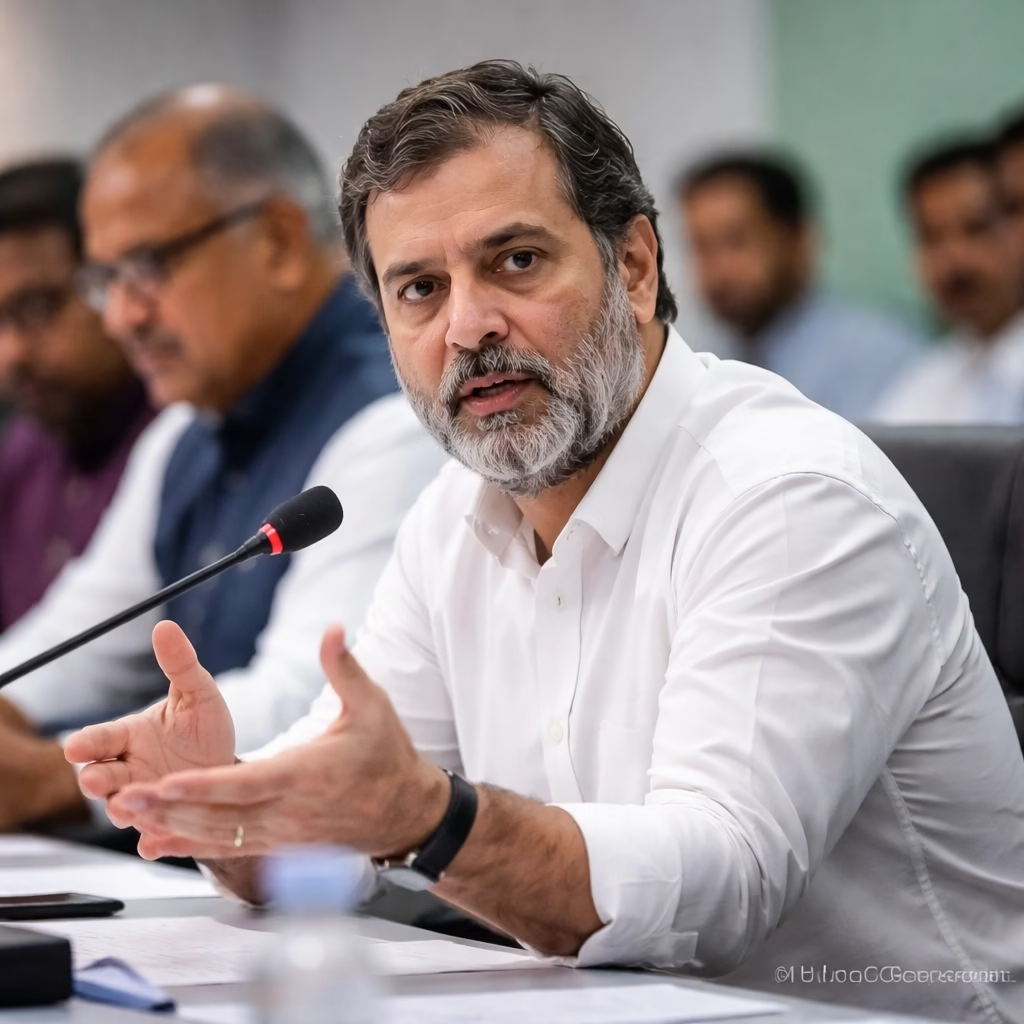
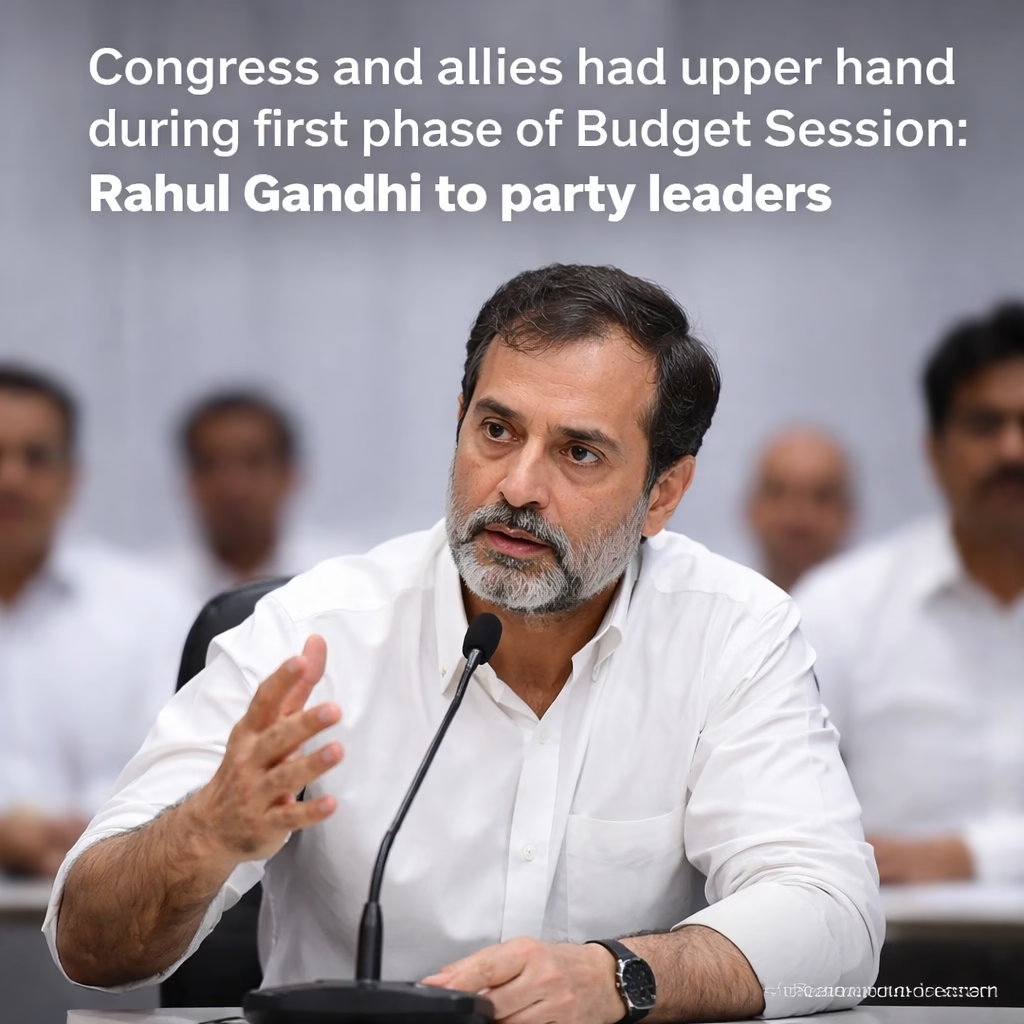
New Delhi – Rahul Gandhi, leader of the Indian National Congress, addressed party leaders on Tuesday, asserting that Congress and its allies held a stronger position during the initial phase of the ongoing Union Budget Session of Parliament. The discussion focused on parliamentary strategies and highlighting perceived successes in challenging the government’s fiscal policies.
Background
The Union Budget Session 2024 commenced on March 4th, 2024, and is scheduled to run until April 10th, 2024. The session involves detailed discussions and debates on the government's proposed budget, which outlines the financial plans for the upcoming fiscal year (2024-2025). This year’s budget was presented by Finance Minister Nirmala Sitharaman on February 1st, 2024, in the Lok Sabha. The session is crucial for the government to secure passage of key legislation and receive approval for its financial plans.
The opposition, led by the Congress party, has been actively scrutinizing the budget, raising concerns about various aspects including economic growth projections, social welfare schemes, and fiscal deficit targets. The session presents a platform for the opposition to hold the government accountable and present alternative policy proposals.
Key Developments
Rahul Gandhi’s address to Congress leaders centered on the opposition’s effective utilization of parliamentary procedures during the initial days of the Budget Session. He specifically highlighted successful interventions in the Lok Sabha regarding several government proposals. These interventions reportedly included securing clarifications on key budgetary allocations and raising concerns about potential negative impacts on specific sectors.
More Read

Sources within the Congress party indicate that the opposition successfully utilized mechanisms like the Zero Hour to raise critical issues and demand answers from the government. Specifically, questions were raised regarding the government's approach to agricultural lending, infrastructure investment, and the implementation of various social welfare programs. Furthermore, the opposition managed to secure deferrals on certain budgetary proposals, giving them more time to analyze and formulate their responses.
The debate on the budget in the Rajya Sabha, the upper house of Parliament, also saw significant engagement from opposition members. Several members presented detailed critiques of the government’s economic policies and proposed alternative strategies for economic growth and development. Discussions revolved around issues such as unemployment, inflation, and the rising cost of living.
Impact
The perceived gains made by the opposition during the early phase of the Budget Session could potentially influence the overall trajectory of the budget’s passage through Parliament. While the government enjoys a majority in the Lok Sabha, the opposition’s ability to effectively raise concerns and demand clarifications can force the government to reconsider certain aspects of its policies or make adjustments to its proposals.
More Read

The impact extends beyond parliamentary proceedings. The opposition's scrutiny can also shape public discourse and influence investor sentiment. Criticism of the budget’s economic projections and policies can raise concerns about the country's economic outlook and potentially impact market confidence.
Furthermore, the debates within Parliament provide a platform for the opposition to showcase its policy alternatives and build public support for its agenda. This is particularly important ahead of upcoming state elections in various parts of the country.
What Next
The Budget Session is expected to continue with further debates and discussions on various aspects of the budget. Key milestones include the passage of individual bills related to budgetary allocations and the government’s response to the opposition’s demands.
Upcoming Parliamentary Business
The Congress party has indicated its intention to continue raising concerns about issues such as unemployment and inflation throughout the session. They have also pledged to scrutinize the government's proposed amendments to various laws and regulations. The opposition is also expected to propose several amendments to the budget proposals, seeking changes in allocation and policy directions.
Potential for Stalemate
While the government enjoys a comfortable majority, the opposition's sustained efforts to raise concerns and demand clarifications could lead to delays in the passage of key budgetary bills. The possibility of a stalemate or protracted debates cannot be ruled out, particularly on contentious issues.

The session will also see debates on other important bills related to economic reforms, social welfare, and national security. The outcome of these debates will have a significant impact on the country’s future policy direction.