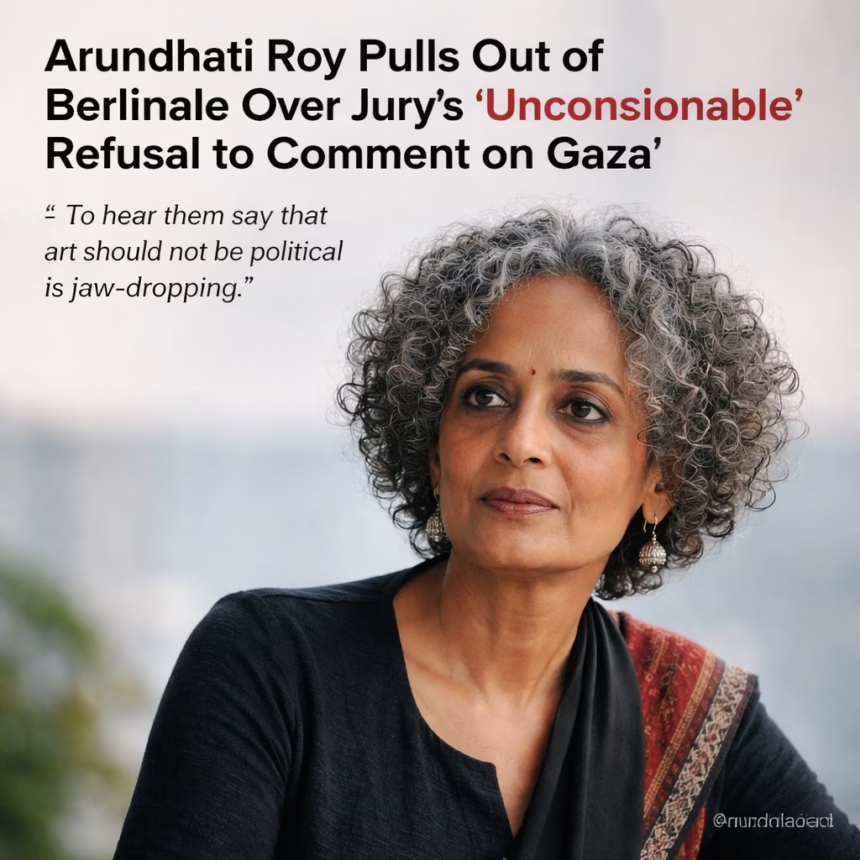
Roy Abandons Berlin Film Festival After Gaza Controversy
Renowned Indian author Arundhati Roy has withdrawn her participation from the Berlin International Film Festival (Berlinale), citing the jury's refusal to address the ongoing conflict in Gaza. The decision, announced on January 26, 2024, has ignited a firestorm of debate about the role of art and politics, and the responsibilities of cultural institutions.
Background
Arundhati Roy is celebrated for her novels, including the Booker Prize-winning "The God of Small Things" (1997), and her outspoken activism on social and political issues. She has consistently used her platform to advocate for marginalized communities and challenge governmental policies, particularly concerning Kashmir and India's relationship with Pakistan. The Berlinale, one of the world's most prestigious film festivals, traditionally showcases a diverse range of international films and documentaries, often sparking conversations about pressing global issues.
The festival, held annually in Berlin, Germany, typically features a competition section, a Panorama section focusing on socially relevant films, and a Berlinale Shorts program. It attracts filmmakers, actors, and industry professionals from across the globe, solidifying its position as a prominent platform for cinematic expression and cultural exchange.
Key Developments
Roy's withdrawal follows a controversy surrounding the Berlinale's General Secretary, Jurica Benić's, statement during a press conference on January 25, 2024. When questioned about the situation in Gaza and the potential for the festival to address it, Benić stated that the festival should not be a platform for political commentary. This response was widely criticized as insensitive and a dereliction of responsibility, especially given the escalating humanitarian crisis in Gaza following the October 7, 2023, Hamas attack and the subsequent Israeli military response.
More Read

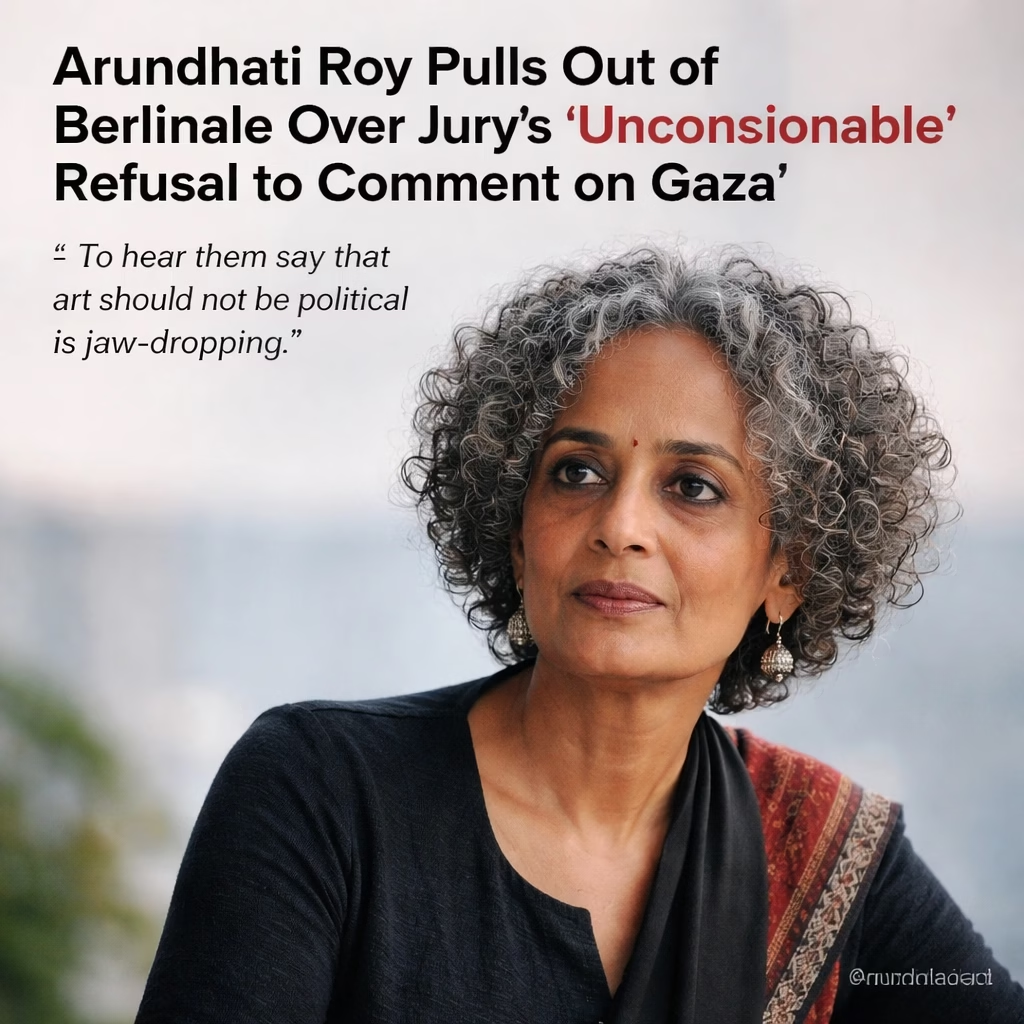
Roy publicly condemned Benić’s remarks on X (formerly Twitter), calling them "unconscionable." She argued that art cannot exist in a vacuum and that ignoring political realities is a form of complicity. Her statement, posted on January 26, 2024, detailed her disappointment and the feeling that the festival was prioritizing neutrality over ethical engagement. She emphasized the importance of artistic expression being informed by and responsive to the world's suffering.
Several filmmakers and activists have voiced their support for Roy’s decision, echoing concerns about the festival’s perceived lack of engagement with the Gaza conflict. Some have threatened to boycott the festival entirely.
More Read

Impact
Roy's withdrawal is a significant blow to the Berlinale, potentially impacting its prestige and attracting negative publicity. Her influence as a writer and activist is immense, and her decision is likely to resonate with many attendees and industry professionals.
The controversy has reignited a debate about the role of art in times of crisis. Critics argue that cultural institutions have a moral obligation to address important social and political issues, while others maintain that art should remain apolitical to foster inclusivity and avoid alienating audiences. This debate extends beyond the Berlinale, impacting discussions about the responsibilities of museums, galleries, and other cultural organizations.
The festival's reputation is under scrutiny, with questions being raised about its commitment to human rights and social justice.
What Next
The Berlinale’s leadership has yet to issue a formal statement addressing Roy’s withdrawal beyond acknowledging her decision. The festival is scheduled to begin on February 15, 2024, with the opening film. It remains unclear whether other artists will follow Roy's lead and withdraw their participation.
The festival organizers will likely face pressure to address the Gaza conflict in some way, whether through dedicated screenings, discussions, or statements of solidarity. The coming weeks will be crucial in determining how the Berlinale responds to this ongoing controversy and how it navigates the complex relationship between art, politics, and social responsibility.
Further Considerations
The situation highlights the growing expectation for artistic expression to be intertwined with social and political awareness. The debate raises profound questions about the boundaries of artistic freedom and the responsibilities of cultural institutions in a world grappling with conflict and injustice.

The Berlinale's response will be closely watched by the international arts community and will likely shape the future of cultural festivals and their engagement with global issues.