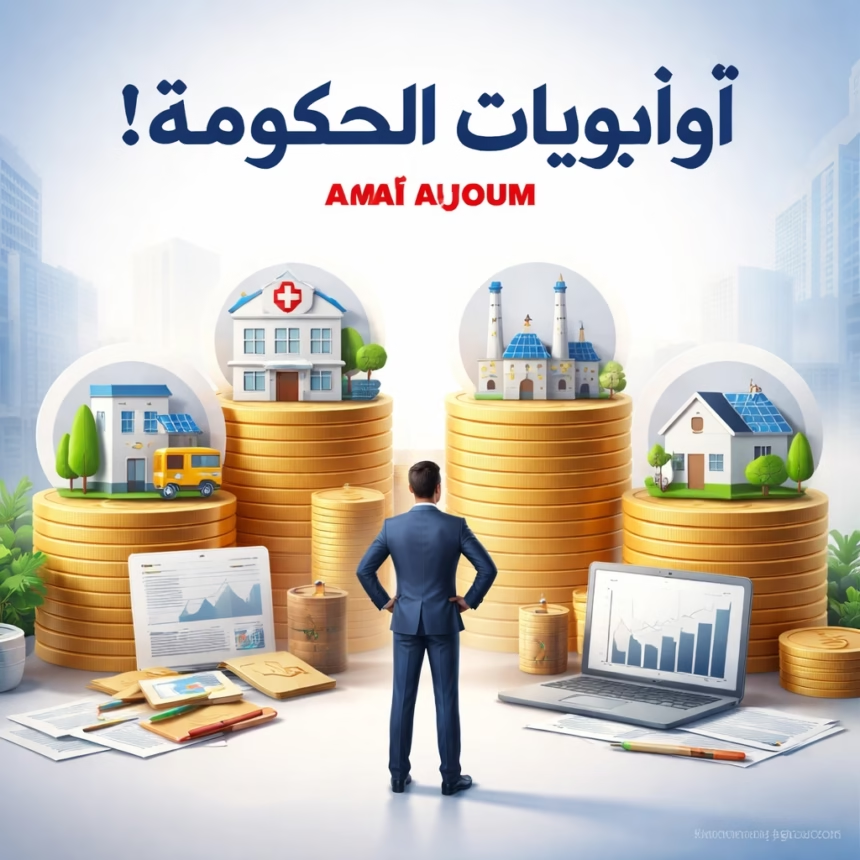
Egypt's Economic Crossroads: Where is the Government Focusing?
Cairo, Egypt – The Egyptian government is currently navigating a complex economic landscape, prioritizing key areas to stimulate growth and address pressing challenges. With rising inflation and external debt concerns, the focus is sharply on attracting investment, managing debt, and improving the lives of ordinary citizens. Recent policy shifts and announced projects signal a strategic realignment of national priorities.
Background: Navigating a Challenging Economy
Egypt’s economy has faced significant headwinds in recent years. The COVID-19 pandemic severely impacted tourism, a crucial sector for the country. Simultaneously, global supply chain disruptions and the war in Ukraine contributed to inflationary pressures, pushing up the cost of essential goods. The government has been working to secure financial assistance from the International Monetary Fund (IMF), culminating in a $3 billion Extended Fund Facility agreement in 2023. This agreement came with conditions focused on fiscal consolidation and structural reforms.
Prior to the IMF deal, the government implemented austerity measures, including fuel subsidy reductions, which sparked public debate and concerns about affordability. These measures were framed as necessary steps to stabilize the economy and reduce the budget deficit.
Key Developments: A Shift in Focus
In recent months, the government has unveiled a series of initiatives signaling a shift in its economic priorities. A major focus is on attracting foreign direct investment (FDI), particularly in sectors like manufacturing, tourism, and technology. The Ministry of Investment has launched several campaigns targeting potential investors, highlighting Egypt’s strategic location and skilled workforce.
More Read

The government is also actively pursuing infrastructure development projects. Several new industrial zones are planned across the country, including the New Administrative Capital and expansions in the Suez Canal Economic Zone (SCZone). The SCZone, established in 2003, continues to be a key driver of exports and foreign investment.
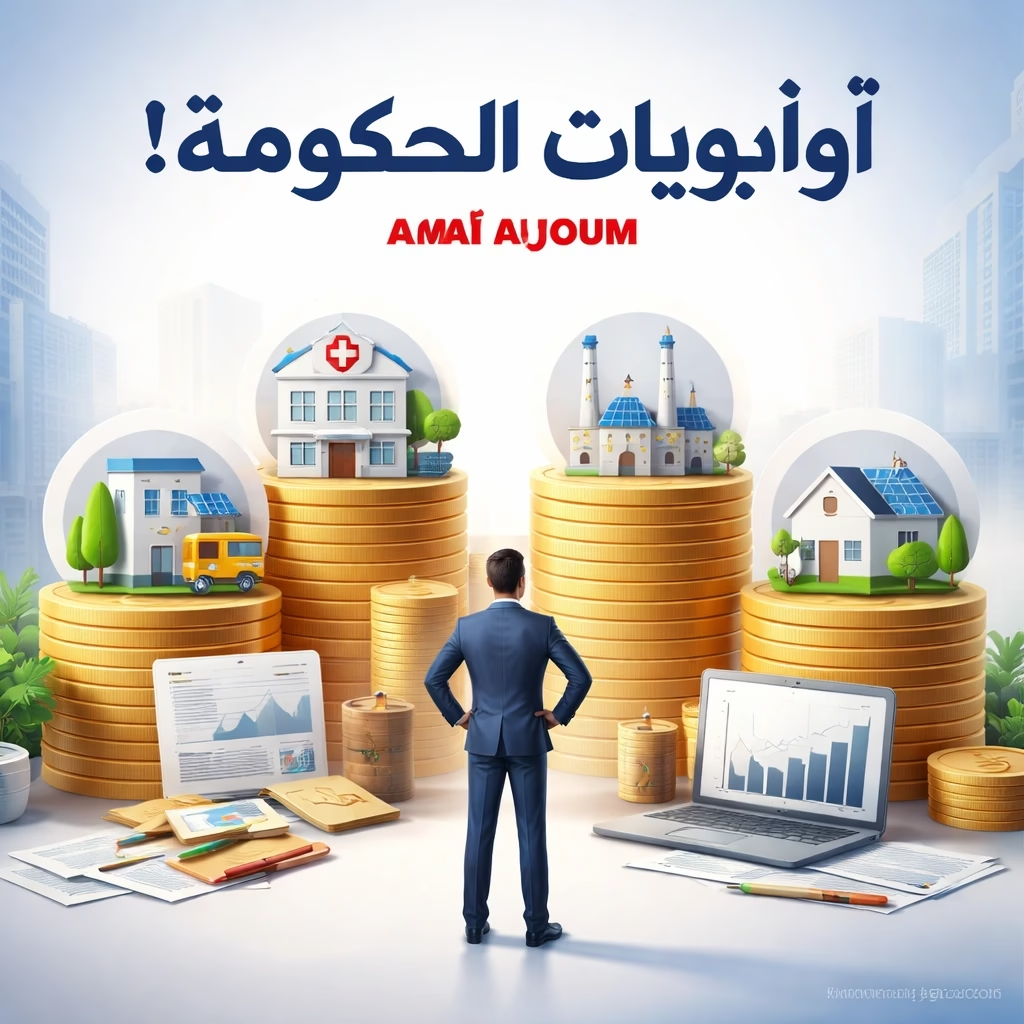
Furthermore, efforts are underway to streamline regulations and improve the business environment. The government has implemented reforms aimed at reducing bureaucratic hurdles and simplifying licensing processes for businesses. These reforms are part of a broader strategy to enhance competitiveness and attract both domestic and international investment.
More Read

Impact: Who Feels the Change?
The government's policies have a wide-ranging impact on Egyptian citizens. The reduction in fuel subsidies, while intended to curb budget deficits, has led to higher prices for transportation and essential goods, particularly for lower-income households. The IMF agreement’s conditions, including fiscal adjustments, could lead to potential increases in taxes and reduced public spending on certain programs.
However, the focus on infrastructure development and investment projects is expected to create new job opportunities, particularly in construction and manufacturing. The government is also emphasizing initiatives aimed at supporting small and medium-sized enterprises (SMEs), which are seen as crucial for job creation and economic diversification.
What Next: Looking Ahead
The coming months will be critical for assessing the effectiveness of the government’s economic policies. A key milestone will be the continued implementation of the IMF agreement’s conditions. The government is expected to focus on fiscal discipline, revenue mobilization, and structural reforms.
Industrial Zone Expansion
The completion of several new industrial zones, including the expansion of the SCZone and the development of industrial parks in Upper Egypt, is anticipated to boost industrial output and exports. These projects are expected to create thousands of jobs and contribute to economic growth.
Tourism Sector Revival
The government is actively working to revitalize the tourism sector, which was severely impacted by the pandemic. Efforts include promoting Egypt as a safe and attractive tourist destination, investing in tourism infrastructure, and developing new tourism products. The aim is to attract more international visitors and boost tourism revenue.
Debt Management
A significant focus remains on managing Egypt’s external debt. The government is exploring various options, including debt restructuring and seeking concessional financing from international lenders. Effective debt management is crucial for ensuring long-term economic stability.

The success of these initiatives will depend on a number of factors, including global economic conditions, geopolitical developments, and the government’s ability to implement reforms effectively. The coming year will be a test of Egypt's economic resilience and its commitment to sustainable growth.