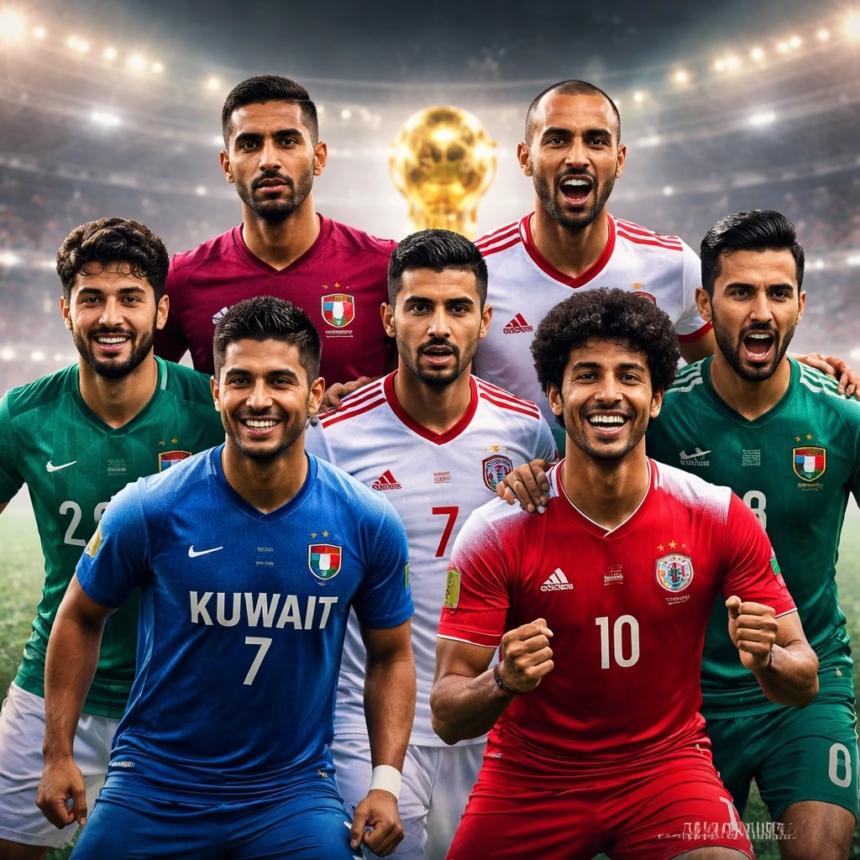
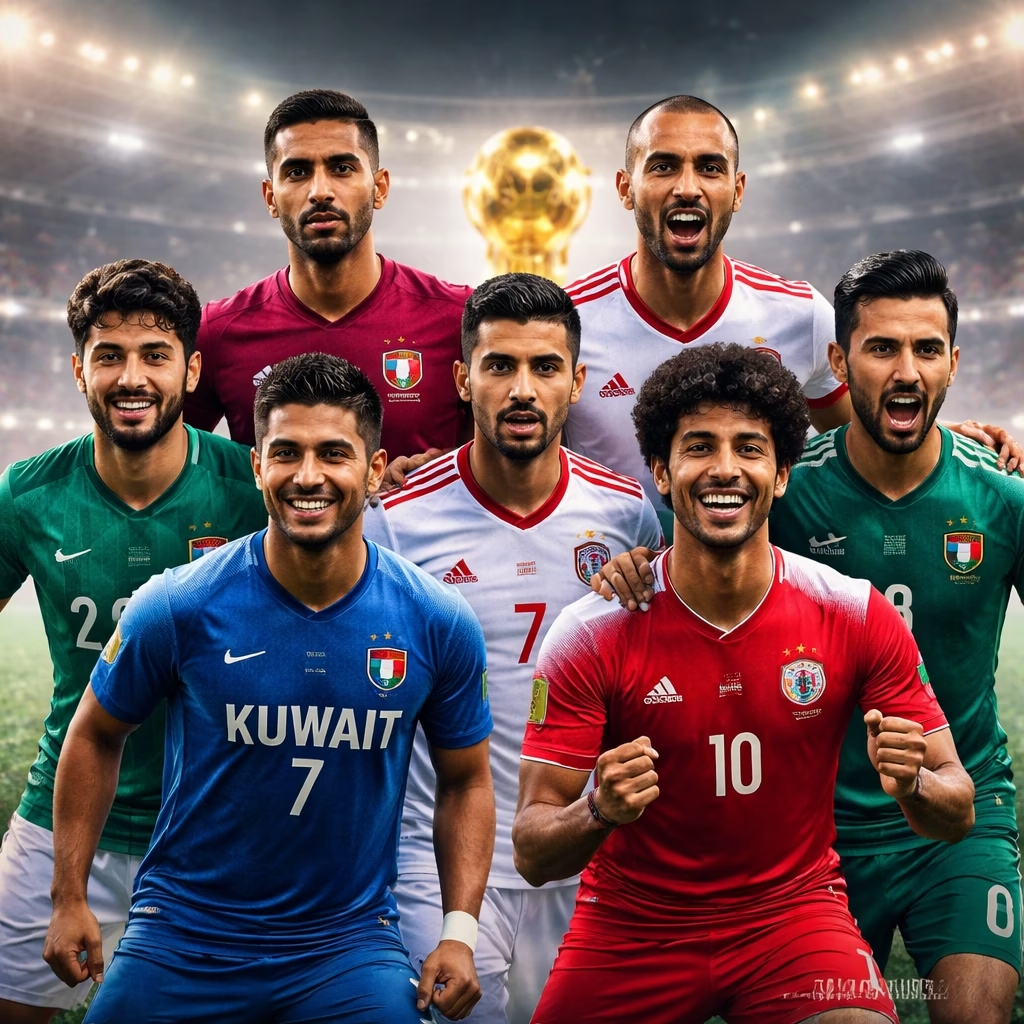
Legends of the Desert: These 7 Players Defined World Cup History for Gulf Nations
The FIFA World Cup, a global spectacle of footballing prowess, has witnessed moments of magic from players representing nations across the globe. However, for Gulf countries like Saudi Arabia, Qatar, UAE, Kuwait, Oman, Bahrain, and Iraq, the tournament holds a particularly special significance, marked by historic achievements and unforgettable performances. This article highlights seven players who significantly impacted the World Cup history of these nations.
A History Forged in Passion
The Gulf nations' participation in the World Cup began with Saudi Arabia's debut in 1994 in the United States. Initially, appearances were sporadic, with limited success. However, the tournament has gradually become a focal point for national pride and a catalyst for football development within the region. The journey hasn't been without its challenges, including navigating varying levels of investment in football infrastructure and player development programs. The 2002 World Cup in South Korea and Japan saw both Saudi Arabia and Iraq make their best performances to date, reaching the Round of 16.
Turning Points: Recent Developments
In recent years, the Gulf nations have invested heavily in improving their football programs, both domestically and internationally. Qatar’s hosting of the 2022 World Cup undeniably spurred significant infrastructure development and increased interest in the sport across the peninsula. While the national team didn't achieve the desired outcome, the event showcased Qatar's commitment to football and its potential as a future footballing powerhouse. Saudi Arabia’s surprising victory over Argentina in 2022, featuring Lionel Messi, was a watershed moment, demonstrating the growing competitiveness of the Gulf teams on the global stage. The UAE has also focused on youth development, aiming to produce a new generation of talented players.
The Ripple Effect: Who Benefits?
The success of these players and the overall improvement in Gulf football has a wide-ranging impact. It inspires young aspiring footballers within the region, fostering a culture of ambition and dedication. It also boosts the popularity of the sport, leading to increased participation rates in youth leagues and recreational activities. Furthermore, it contributes to the economic development of the Gulf nations by attracting investment in football academies, training facilities, and related industries. Increased media coverage and global recognition also enhance the nations' international profile.
More Read

Individual Player Impact
Beyond the broader national picture, individual players have become icons, celebrated for their skill, dedication, and contributions to their teams. These players often serve as role models for aspiring young athletes, embodying the spirit of national pride and sporting excellence.
Looking Ahead: What’s Next?
The future for Gulf football looks promising. The continued investment in youth development, coupled with increased international exposure, is expected to yield positive results in the coming years. The AFC Asian Cup, held every four years, provides a crucial platform for Gulf nations to test their mettle against the best teams in Asia. The long-term goal is for these nations to consistently qualify for and compete successfully in the FIFA World Cup, showcasing the talent and passion of the region’s footballers on the world stage. Qatar aims to maintain its momentum and solidify its position as a leading football nation in Asia. Saudi Arabia is eager to build on its 2022 success and establish itself as a consistent contender.
More Read

Challenges Remain
Despite the advancements, challenges persist. Developing a sustainable domestic league structure and increasing the number of Gulf players competing in top European leagues remain key priorities. Overcoming the limitations of smaller player pools and ensuring consistent coaching standards are also crucial for sustained success.