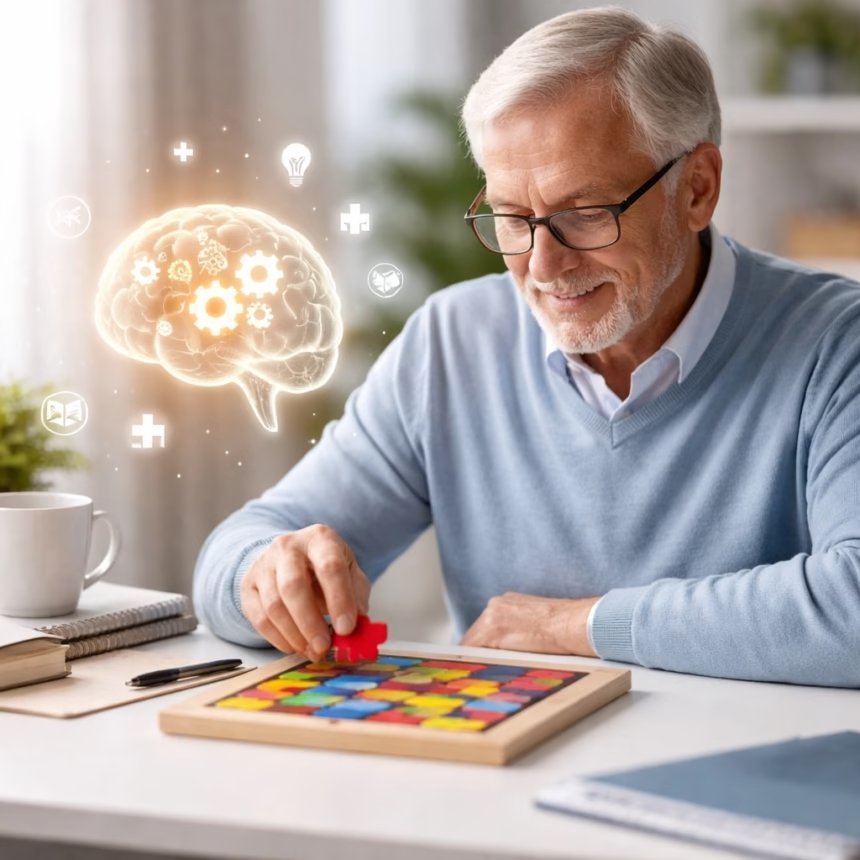
Sharper Mind, Healthier Future: Brain Games Offer Alzheimer's Defense?
A growing body of research suggests that engaging in cognitive activities, particularly brain games, may play a significant role in reducing the risk of developing Alzheimer's disease. Studies conducted across multiple continents, including Europe and North America, are highlighting the potential protective effects of mental exercise on brain health. This trend gained considerable momentum in 2023 and continues to be a focus of scientific investigation.
Understanding the Challenge: The Rise of Alzheimer’s
Alzheimer's disease, a progressive brain disorder, currently affects over 55 million people globally, according to the World Health Organization (WHO). Characterized by memory loss, cognitive decline, and behavioral changes, it’s the most common form of dementia. The disease typically develops gradually over several years, although some individuals may experience symptoms earlier. Early detection and preventative measures are increasingly seen as crucial to managing the condition’s impact.
The first cases of Alzheimer's were formally described in the late 19th century, but its underlying mechanisms remained largely unknown for decades. Significant breakthroughs in understanding the disease’s biological processes began in the 1990s, leading to a better grasp of the role of amyloid plaques and tau tangles in brain cell damage. Current research aims to identify risk factors and develop effective therapies to slow or prevent the disease's progression.
New Findings: Brain Games Show Promise
Recent studies, published in journals like *Neurology* and *Alzheimer's & Dementia*, have focused on the cognitive benefits of various brain training activities. Researchers at the University of Cambridge, for example, conducted a long-term study involving over 1,000 participants. The study, spanning 10 years, found that regular participation in mentally stimulating activities, including puzzles, crosswords, and strategic games, was associated with a reduced risk of developing dementia, including Alzheimer's.
More Read

The benefits appear to extend beyond simply improving cognitive function. Brain games are thought to enhance neural plasticity – the brain’s ability to reorganize itself by forming new neural connections. This increased plasticity may help compensate for age-related brain changes and protect against the development of Alzheimer's pathology. Furthermore, engaging in these activities stimulates the growth of new brain cells and strengthens existing neural pathways.
Specifically, games that challenge working memory, attention, and executive function seem to be particularly effective. Examples include Sudoku, chess, Lumosity, and Elevate. The key, researchers emphasize, is consistent engagement – regular, sustained mental exercise appears to yield the best results.
Who Benefits Most? And Who Can Participate?
While the potential benefits of brain games are broad, certain populations may benefit more significantly. Individuals aged 50 and older are considered to be at a higher risk of developing Alzheimer's, making preventative measures particularly important. However, the benefits aren’t limited to this age group. Even younger adults can experience cognitive enhancements from regular mental exercise.
More Read

Crucially, brain games are accessible to a wide range of individuals. Many free and affordable options are available online and through mobile apps. Cognitive training programs are also offered in community centers and senior living facilities. It's always advisable to consult with a healthcare professional before starting any new exercise regimen, particularly if there are underlying health conditions.
The Future of Brain Health: What’s on the Horizon?
Research into the relationship between cognitive activity and Alzheimer's is ongoing, and several exciting avenues are being explored. Future studies will focus on identifying the optimal types and intensity of brain games for different individuals and on understanding the underlying biological mechanisms responsible for the observed protective effects.
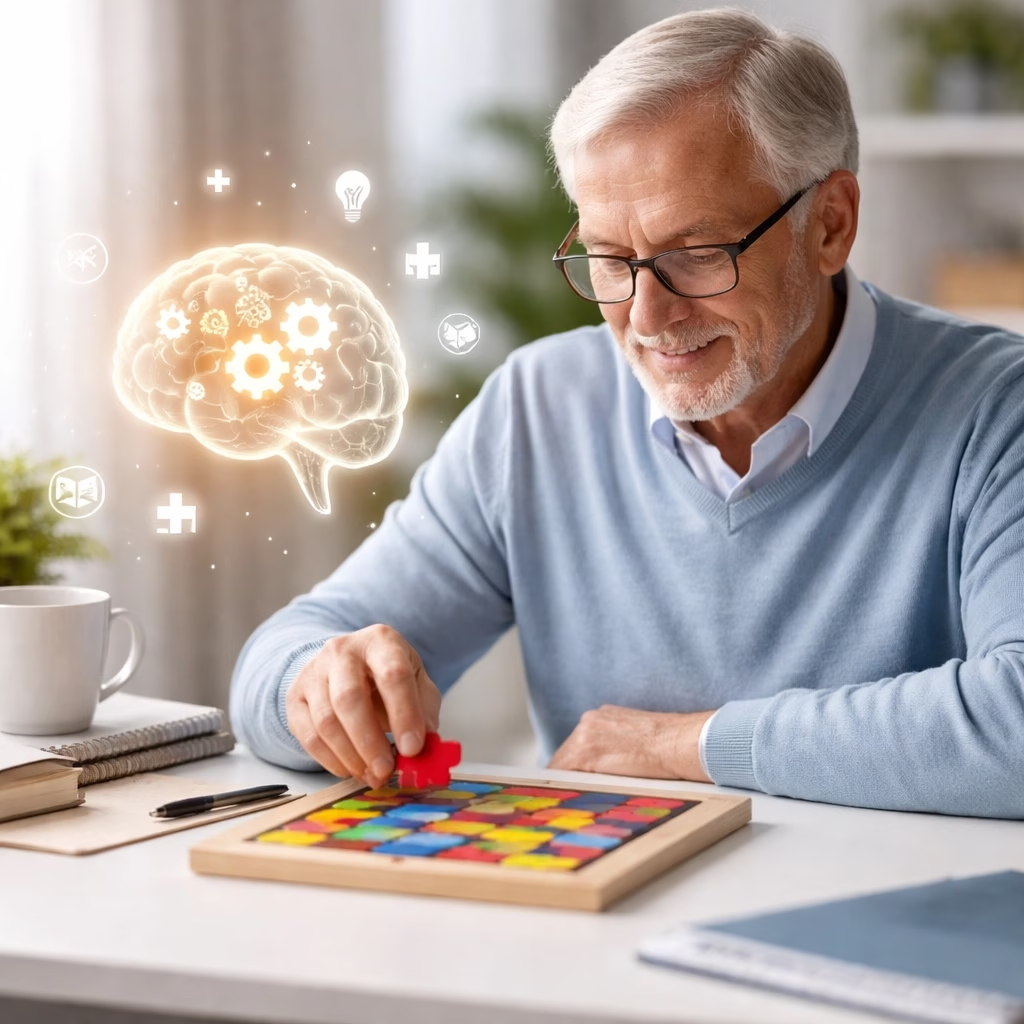
Personalized Cognitive Training
One promising area is the development of personalized cognitive training programs tailored to an individual’s specific cognitive strengths and weaknesses. Artificial intelligence (AI) is being used to analyze cognitive performance and adapt training exercises accordingly, maximizing their effectiveness.
Combining Brain Games with Lifestyle Factors
Researchers are also investigating the synergistic effects of brain games in combination with other healthy lifestyle factors, such as regular physical exercise, a balanced diet, and sufficient sleep. This holistic approach is believed to offer the greatest protection against Alzheimer’s disease.
The Alzheimer's Association, based in Chicago, Illinois, continues to fund research into preventative measures, including lifestyle interventions and cognitive training programs. The hope is that by understanding the factors that contribute to brain health, we can significantly reduce the burden of this devastating disease.