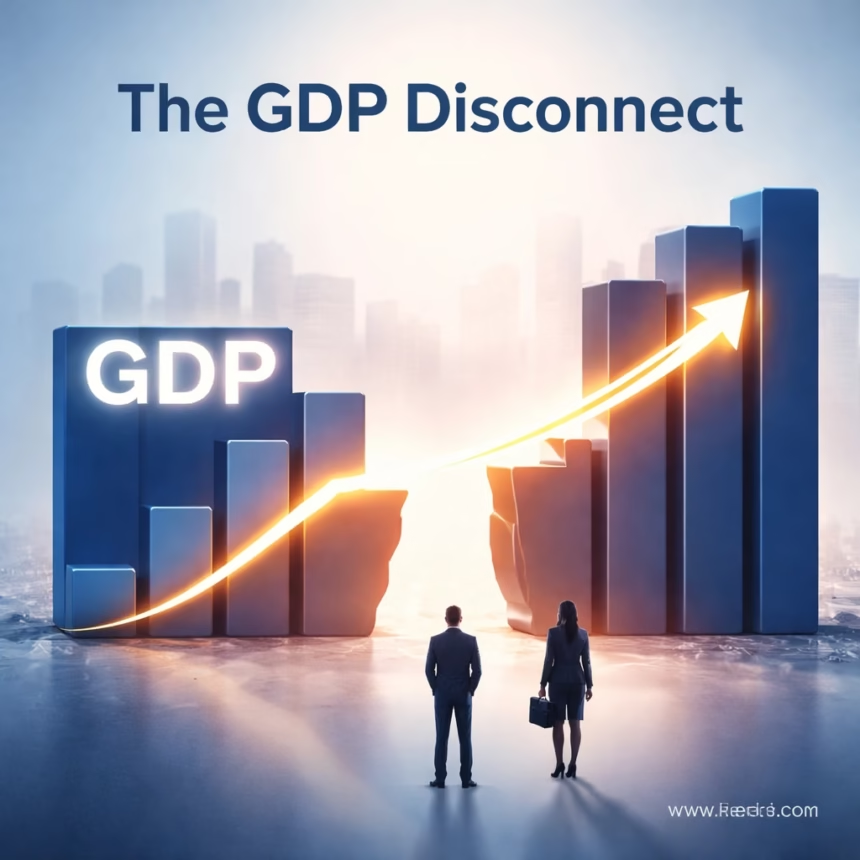
The Numbers Don't Tell the Whole Story: Why Economic Growth Feels Uneven
For months, the U.S. has been reporting consistent GDP growth, suggesting a healthy economy. But many Americans aren't feeling the benefits, leading to a growing disconnect between official economic indicators and everyday life. This article explores the reasons behind this disparity and what it might mean for the future.
Background: A History of Disconnect
Gross Domestic Product (GDP), the total value of goods and services produced in a country, is a key measure of economic health. The Bureau of Economic Analysis (BEA) releases quarterly GDP figures, providing a broad overview of economic activity. However, the relationship between GDP growth and the well-being of average citizens isn't always straightforward. This disconnect isn’t new; economists have observed similar discrepancies following periods like the 2008 financial crisis and the 2020 COVID-19 pandemic.
Historically, GDP growth has often been concentrated among wealthier segments of the population. While the overall economy might be expanding, gains aren't distributed equally. Post-World War II, increasing productivity fueled significant GDP growth, but a larger share of the gains went to capital owners rather than workers.
More Read

Key Developments: Inflation and Labor Market Shifts
Recent economic developments have amplified the GDP disconnect. High inflation, peaking at 9.1% in June 2022, eroded purchasing power for many households. The Federal Reserve's aggressive interest rate hikes, beginning in March 2022, aimed to curb inflation, but also slowed economic activity. This slowdown, while keeping inflation under control, has led to concerns about a potential recession.
The labor market, traditionally a strong indicator of economic health, has also undergone shifts. While the unemployment rate remains low, hovering around 3.5% as of October 2023, the quality of jobs hasn’t kept pace with inflation. Many jobs offer stagnant wages, failing to provide the income needed to maintain living standards.
Furthermore, supply chain disruptions, initially triggered by the pandemic and exacerbated by geopolitical events like the war in Ukraine, contributed to higher prices and limited availability of goods. These disruptions aren't fully captured in GDP calculations, which primarily focus on production.
More Read

Impact: Who’s Feeling the Pinch?
The disconnect is disproportionately affecting low- and middle-income households. Essential expenses like food, housing, and energy have risen significantly, outpacing wage growth for many. This has led to financial strain, with families having to cut back on discretionary spending and potentially dipping into savings.
According to the Consumer Price Index (CPI) data released by the Bureau of Labor Statistics (BLS), food prices have increased by over 10% since February 2022. Housing costs, including rent and mortgages, have also seen substantial increases, impacting affordability, especially in major metropolitan areas like New York City and San Francisco.
Small businesses are also struggling. Rising input costs and labor shortages are squeezing profit margins, forcing some to delay expansion plans or even close down.
What Next? Expected Milestones
Predicting the future of the economy is challenging. However, several key developments are expected to shape the coming months.
Inflation Trajectory
The Federal Reserve’s actions and future inflation data will be closely watched. Most economists believe inflation will continue to moderate, but reaching the Fed’s 2% target will likely take time. The next CPI report, scheduled for December 13, 2023, will provide further insights.
Interest Rate Policy
The Federal Reserve is signaling a potential pause in interest rate hikes, but future decisions will depend on inflation readings and the overall health of the economy. A prolonged period of higher interest rates could further dampen economic growth.

Labor Market Stability
The resilience of the labor market will be crucial. Continued job growth and stable wages would provide a much-needed boost to household incomes. However, any significant weakening in the labor market could signal a recession.
Ultimately, closing the GDP disconnect requires a multifaceted approach, addressing issues of income inequality, affordability, and supply chain resilience. The coming months will be critical in determining whether the benefits of economic growth are shared more broadly.