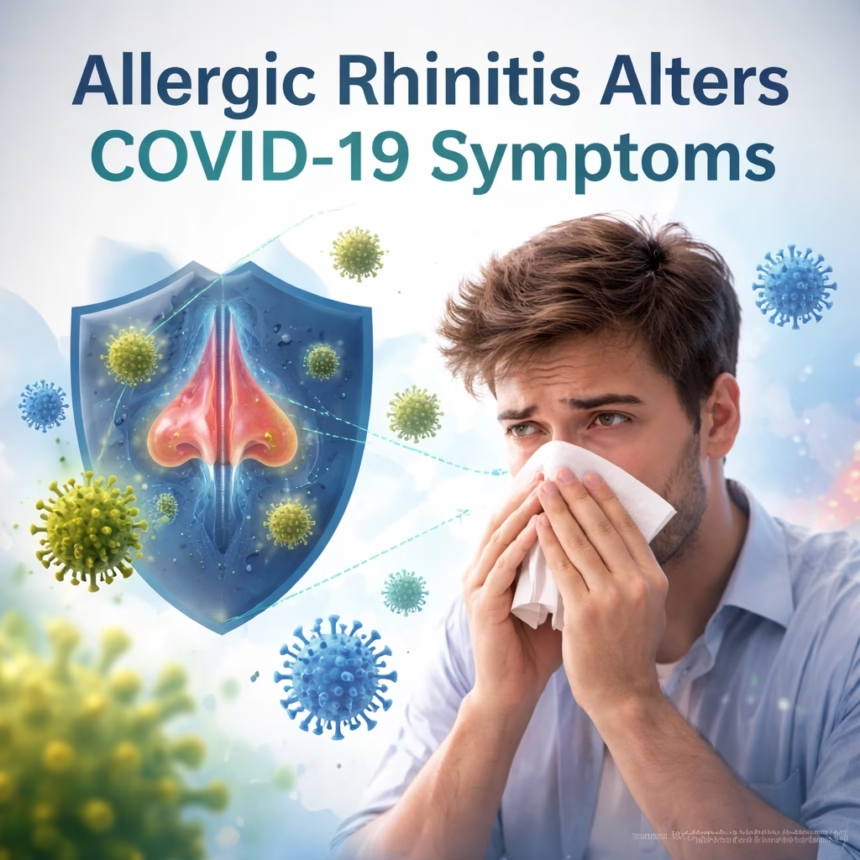
A groundbreaking study published recently in the European Medical Journal (EMJ) has unveiled a significant interaction between allergic rhinitis, commonly known as hay fever, and the presentation of COVID-19 symptoms. The findings suggest that individuals with seasonal allergies may experience a notably altered symptomatic profile when infected with the SARS-CoV-2 virus, presenting new complexities for diagnosis, public health messaging, and clinical management worldwide.
Background: The Overlap and Early Confusion
Allergic rhinitis is a chronic inflammatory condition affecting the nasal passages, triggered by allergens such as pollen, dust mites, or pet dander. Globally, it impacts hundreds of millions, manifesting as sneezing, nasal congestion, runny nose, and itchy eyes – symptoms that often mirror those of common colds and, crucially, early stages of respiratory viral infections.
When the COVID-19 pandemic erupted in early 2020, the medical community and the public grappled with identifying its distinct symptoms. Initial public health advisories focused on hallmark signs like fever, persistent cough, and loss of taste or smell. However, the early months of the pandemic, coinciding with spring allergy season in many regions, led to widespread confusion. Many individuals with allergic rhinitis found themselves questioning every sneeze and sniffle, unsure if their usual seasonal discomfort was something more sinister. Healthcare systems were overwhelmed with calls from anxious patients trying to differentiate between their allergies and a potential COVID-19 infection. This period highlighted an urgent need for research into how pre-existing conditions, particularly prevalent ones like allergic rhinitis, might influence the disease's manifestation.
Key Developments: An Altered Symptom Profile
The recent EMJ research, drawing on extensive observational data and clinical cohorts, provides clarity on this complex interplay. The study's most striking revelation is that allergic rhinitis appears to modify the typical COVID-19 symptom cascade.
More Read

Altered Symptom Presentation
Individuals with allergic rhinitis, when infected with SARS-CoV-2, were found to exhibit a distinct pattern of symptoms compared to non-allergic patients. Specifically, the research indicated:
Reduced Incidence of Fever: A lower proportion of allergic rhinitis sufferers reported fever as a primary symptom. This absence of a key indicator could lead to delayed testing and potential underestimation of infection.
* Increased Nasal Symptoms: Conversely, symptoms like sneezing, nasal congestion, and runny nose were more prevalent and often more pronounced in allergic patients with COVID-19. These symptoms, usually attributed to allergies, might mask the underlying viral infection.
* Modified Severity: While not universally leading to milder disease, some allergic individuals showed a tendency towards less severe respiratory distress, though this finding requires further validation across diverse populations and viral variants.
* Changes in Onset and Duration: The EMJ study also hinted at potential alterations in symptom onset and overall duration, though these aspects require more granular data analysis. For instance, the "allergy-like" symptoms might appear earlier, potentially confusing early diagnosis.
Immunological Hypotheses
The EMJ publication delves into potential immunological mechanisms underpinning these observed changes. Researchers hypothesize several pathways:
More Read

Mast Cell Activation: Allergic rhinitis involves chronic activation and degranulation of mast cells, releasing inflammatory mediators like histamine. It's plausible that this pre-existing inflammatory state influences the immune response to SARS-CoV-2, potentially modulating cytokine storms or viral replication.
* Interferon Response: Allergic individuals often have a skewed type 2 immune response. This might impact the innate antiviral interferon response, which is crucial in fighting viral infections. A modified interferon profile could alter symptom expression.
* ACE2 Receptor Modulation: The angiotensin-converting enzyme 2 (ACE2) receptor is the primary entry point for SARS-CoV-2 into human cells. Chronic inflammation in the respiratory tract due to allergies could potentially alter the expression or availability of ACE2 receptors in nasal epithelial cells, thereby influencing viral entry and initial replication, which could then impact subsequent symptom development.
* Mucosal Barrier Integrity: Allergic inflammation can affect the integrity of the nasal mucosal barrier. This altered barrier might influence how the virus interacts with host cells, potentially leading to different viral loads or immune responses in the upper respiratory tract.
These hypotheses, while compelling, underscore the complex interplay between allergic inflammation and viral pathogenesis, necessitating further mechanistic studies.
Impact: Redefining Diagnosis and Public Health
The implications of the EMJ findings are far-reaching, affecting millions of individuals, healthcare professionals, and public health authorities globally.
Diagnostic Dilemmas for Healthcare Providers
For clinicians, particularly general practitioners and emergency room staff, the altered symptom profile presents a significant diagnostic challenge. The absence of fever in an allergic patient with COVID-19 could lead to misdiagnosis as a common cold or an allergy flare-up, delaying appropriate testing and isolation. This ambiguity places a greater burden on healthcare providers to consider a broader differential diagnosis and to probe deeper into a patient's allergy history.
Public Health Implications
Public health campaigns, which historically relied on clear-cut symptom lists for COVID-19, will need to adapt. Messaging must now account for the nuances introduced by allergic rhinitis, emphasizing the importance of testing even when symptoms seem "just like allergies." This is crucial for preventing onward transmission, especially during peak allergy seasons. Furthermore, it highlights the need for continued vigilance and accessible testing options for all respiratory symptoms.
Patient Awareness and Self-Isolation
For individuals living with allergic rhinitis, the study necessitates a heightened awareness. They can no longer assume that their nasal symptoms are solely due to allergies. This understanding is critical for informed decision-isolation decisions, protecting vulnerable household members, and seeking timely medical advice. The findings also underscore the need for better self-management strategies for allergies to help distinguish between baseline allergic symptoms and potential viral infections.

Understanding Disease Progression
Beyond immediate diagnosis, this research could offer insights into how COVID-19 progresses in allergic individuals. If the initial immune response is modulated, it could potentially influence the risk of developing severe disease or even contribute to variations in long COVID symptoms, though these links require extensive future investigation.
What Next: Research, Guidelines, and Adaptation
The EMJ study marks a critical step, but it also opens numerous avenues for future research and practical implementation.
Research Frontiers
Larger, Diverse Cohorts: Future studies need to involve larger, multi-ethnic cohorts across different geographical regions to confirm these findings and identify any population-specific variations.
* Variant-Specific Analysis: As SARS-CoV-2 continues to evolve, research must investigate how allergic rhinitis interacts with different viral variants, which may have distinct tropisms or immune evasion mechanisms.
* Mechanistic Studies: Detailed immunological studies are needed to fully elucidate the cellular and molecular mechanisms behind the altered symptom presentation. This could involve deep immunophenotyping, cytokine profiling, and single-cell RNA sequencing in allergic COVID-19 patients.
* Long-Term Outcomes: Investigating the long-term health outcomes, including the incidence and severity of long COVID, in allergic individuals compared to non-allergic ones is crucial.
Clinical Practice Changes
The medical community will likely see updates to clinical guidelines. These may include:
Enhanced Screening: Healthcare providers might be advised to implement more comprehensive screening questions regarding allergy history when assessing patients with respiratory symptoms.
* Differential Diagnostic Algorithms: Development of new diagnostic algorithms that specifically account for allergic rhinitis in the context of COVID-19.
* Interdisciplinary Collaboration: Increased collaboration between allergists, immunologists, and infectious disease specialists will be vital to integrate this new understanding into patient care.
Public Health Messaging Adjustments
Public health bodies will need to refine their communication strategies. This could involve targeted campaigns for allergy sufferers, emphasizing the importance of testing for any new or unusual respiratory symptoms, regardless of their allergy status. Clearer guidance on when to suspect COVID-19 versus an allergy flare-up will empower individuals to make informed decisions.
The EMJ's recent publication serves as a powerful reminder of the intricate ways in which pre-existing conditions can shape the experience of infectious diseases. As the world continues to navigate the complexities of COVID-19, understanding these subtle yet significant interactions will be paramount in safeguarding public health and delivering precise medical care.