Bandung Gridlock: Lunar New Year Surge Paralyzes City
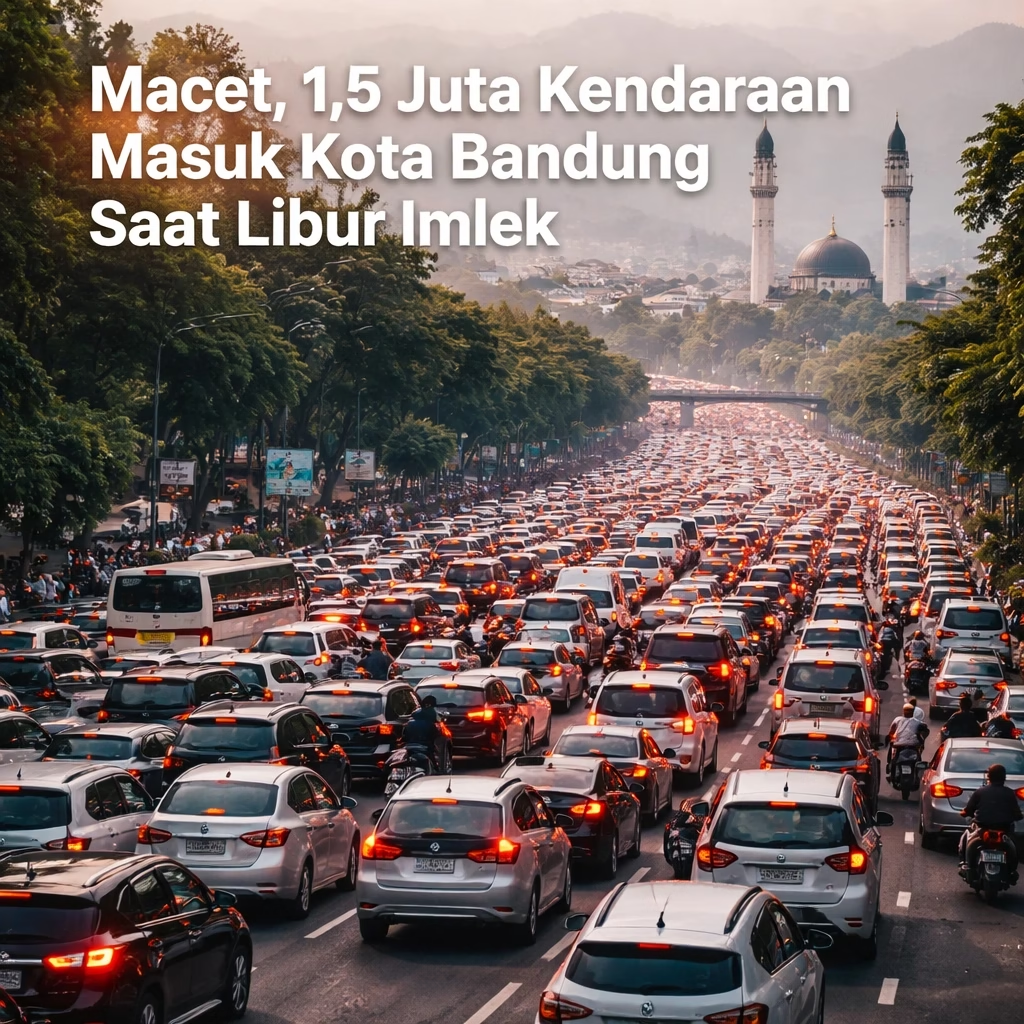
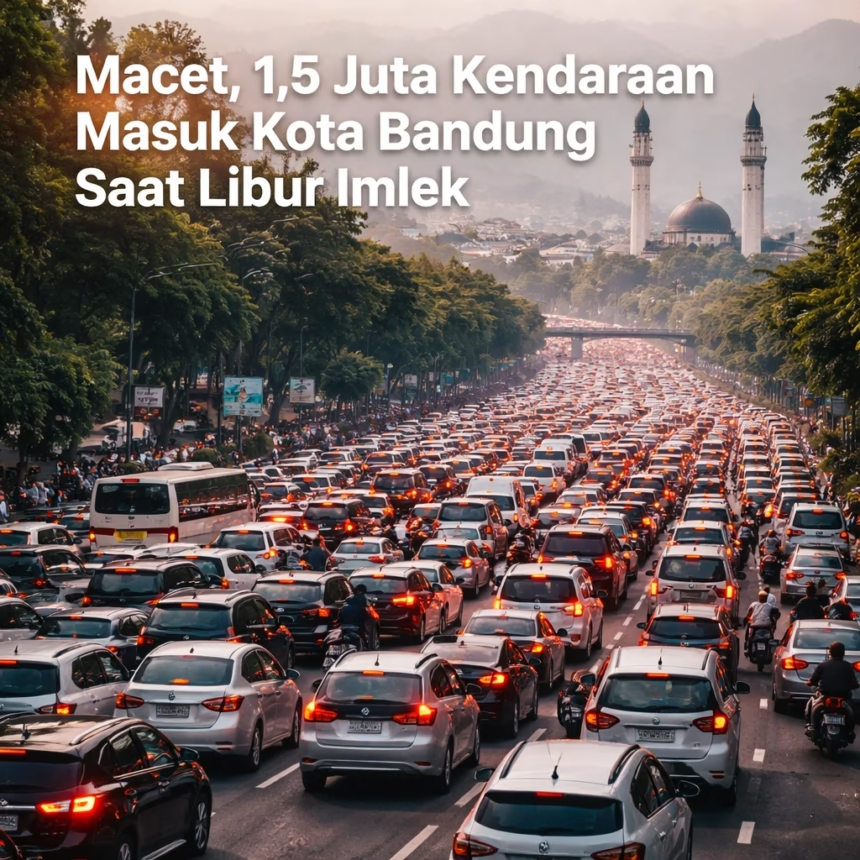
Bandung, West Java experienced severe traffic congestion during the Lunar New Year holiday, with an estimated 1.5 million vehicles entering the city between January 21st and 24th, 2024. The surge in visitors strained the city's infrastructure and caused significant disruption for residents and commuters.
Background: A Tradition of Travel
The Imlek (Lunar New Year) holiday is a significant cultural event in Indonesia, celebrated by the predominantly Chinese-Indonesian population and widely observed across the archipelago. For years, Bandung, a popular tourist destination known for its cool climate, historical architecture, and shopping opportunities, has been a prime destination for holiday travel. The holiday period typically sees a substantial increase in visitors seeking to visit family, enjoy festive activities, and explore the city's attractions.
In recent years, Bandung has actively promoted itself as a tourist hub, investing in infrastructure improvements and marketing campaigns targeting domestic and international travelers. This has contributed to a steady rise in tourism, especially during peak holiday seasons like Imlek. The city’s appeal lies in its blend of cultural heritage, natural beauty, and modern amenities.
More Read

Recent Developments: Preparation and Shortcomings
Ahead of the Imlek holiday, the Bandung City Government implemented various measures to manage potential traffic congestion. These included increased patrols by traffic police, adjustments to traffic signal timings, and public awareness campaigns urging travelers to plan their journeys and utilize alternative routes. The Transportation Department also deployed additional personnel to manage traffic flow at key entry points to the city.
However, the sheer volume of vehicles entering Bandung overwhelmed the existing infrastructure. Reports indicate that several major arteries, including Jalan Soekarno-Hatta and Jalan Gegerceng, experienced gridlock for extended periods. The effectiveness of the implemented measures appeared limited in the face of the massive influx of vehicles. The surge started noticeably on January 21st and peaked on January 23rd.
Impact: Commuters and Businesses Affected
The traffic congestion had a widespread impact on residents and businesses in Bandung. Commuters faced significant delays in reaching their destinations, leading to lost productivity and increased frustration. Deliveries of goods were also hampered, affecting businesses reliant on timely logistics.

Local businesses, particularly those in the retail and hospitality sectors, experienced an initial boost from the influx of visitors. However, the traffic congestion also deterred some potential customers from visiting the city altogether. Concerns have been raised about the impact on the city's reputation as a convenient and accessible destination. Many residents reported difficulties navigating the city and accessing essential services due to the heavy traffic.
Specific Impacts
Hospitals reported delays in emergency response times due to traffic bottlenecks. Public transportation systems, including TransMetro Bandung buses, also experienced increased crowding and delays.
What’s Next: Long-Term Solutions
The Bandung City Government is now evaluating the effectiveness of its traffic management strategies and exploring long-term solutions to address the growing problem of holiday traffic congestion. Potential measures under consideration include expanding public transportation networks, improving road infrastructure, and implementing smarter traffic management systems leveraging real-time data and AI.
The city is also looking into encouraging the use of alternative travel dates and promoting staggered travel schedules to distribute the traffic load. Collaborations with neighboring cities and provinces are being explored to coordinate traffic management efforts and prevent bottlenecks at the city's borders. The government has committed to conducting a comprehensive traffic study to identify areas for improvement and develop a sustainable traffic management plan.
Future Plans
The Transportation Department plans to present preliminary findings of the traffic study by the end of February 2024. A detailed action plan outlining specific infrastructure projects and policy changes is expected to be released by April 2024.
The city is also considering implementing congestion pricing in certain areas during peak holiday periods, though this remains a subject of ongoing discussion and public consultation.