Spring's Promise: Will 2026 Be a Blossom Bonanza in South Korea?

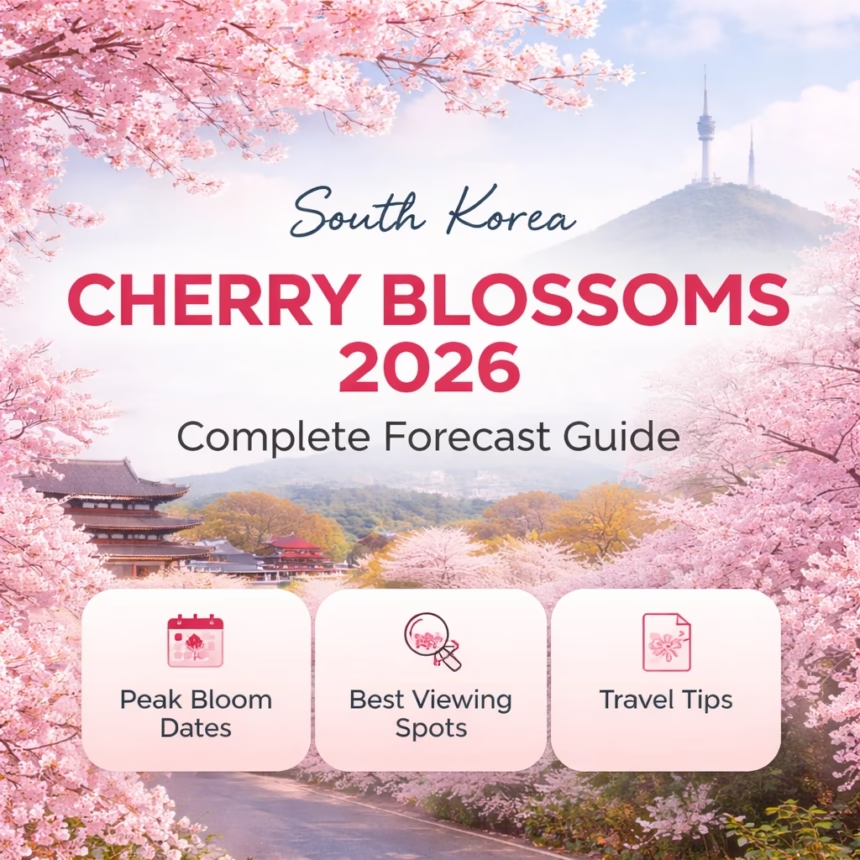
South Korea is eagerly anticipating the arrival of spring, and with it, the breathtaking spectacle of cherry blossoms. The nation's beloved *벚꽃 (beotkkot)* season is a major cultural event, drawing locals and tourists alike. But what can we expect for 2026?
A Tradition Rooted in History
Cherry blossoms, or *벚나무 (beonamu)*, have held significant cultural importance in Korea for centuries. Their blooming period is deeply intertwined with historical festivals and artistic expression. The tradition of appreciating *벚꽃* dates back to the Three Kingdoms period (57 BCE – 668 CE), with references appearing in ancient poetry and art. The modern-day cherry blossom viewing, or *namasogae (나마소개)*, gained popularity during the Joseon Dynasty (1392-1910), evolving into the widespread celebration we know today.
Typically, the blooming season begins in the southern regions of the country around late March and progresses northward. The peak bloom duration varies depending on the location and weather conditions, generally lasting between a week and two weeks. Popular viewing spots include Seoul’s Yeouido Hangang Park, Jeju Island's Seopjikoji, and Gyeongju's Bulguksa Temple.
More Read

Recent Shifts in the Forecast
Predicting the exact timing and intensity of cherry blossom blooms is a complex undertaking, relying on a combination of historical data, meteorological models, and real-time weather observations. For several years, forecasts have been impacted by climate change, leading to earlier or delayed blossoms. The Korea Meteorological Administration (KMA) has been refining its forecasting methods to account for these shifts, incorporating data from satellites and advanced weather simulations.
In 2023, the bloom arrived earlier than average, prompting adjustments to traditional festival schedules. The KMA has indicated a potential return to more predictable bloom cycles, although fluctuations are still anticipated. Early indicators for 2026 suggest a potentially normal bloom period, with a slight possibility of an earlier start depending on winter temperatures. Current models point to a peak bloom in late March or early April, but precise dates remain uncertain.
Ripple Effects: Who Benefits and Who’s Affected?
The cherry blossom season has a significant economic and social impact on South Korea. Tourism is a major beneficiary, with millions of visitors flocking to the country to witness the blossoms. This influx of tourists boosts the hospitality industry, including hotels, restaurants, and transportation services. Local businesses benefit from increased spending, and the overall economy experiences a positive impact.

However, the bloom can also pose challenges. The surge in tourism can strain infrastructure in popular viewing areas, leading to overcrowding and traffic congestion. The KMA also issues pollen alerts during the bloom season, which can affect individuals with allergies. Local communities often prepare for the influx of visitors by organizing events and managing parking.
Looking Ahead: What to Expect in 2026
The KMA will release its official cherry blossom forecast closer to the spring season. This typically happens in late February or early March. Until then, observers will continue to monitor weather patterns and track the development of *벚나무* buds across the country. Social media platforms are already buzzing with anticipation, with many South Koreans sharing their hopes for a spectacular bloom.
Key Milestones to Watch
February: KMA releases preliminary indicators and long-range forecasts.
March: Official cherry blossom forecast is announced, providing detailed bloom predictions for different regions.
Late March – Early April: Peak bloom period begins, with varying durations across the country.
Regardless of the precise timing, the 2026 cherry blossom season is expected to be a significant event in South Korea, offering a welcome display of natural beauty and a chance for celebration. The nation is prepared to welcome visitors and celebrate this cherished tradition, hoping for a season as vibrant and memorable as those of years past.