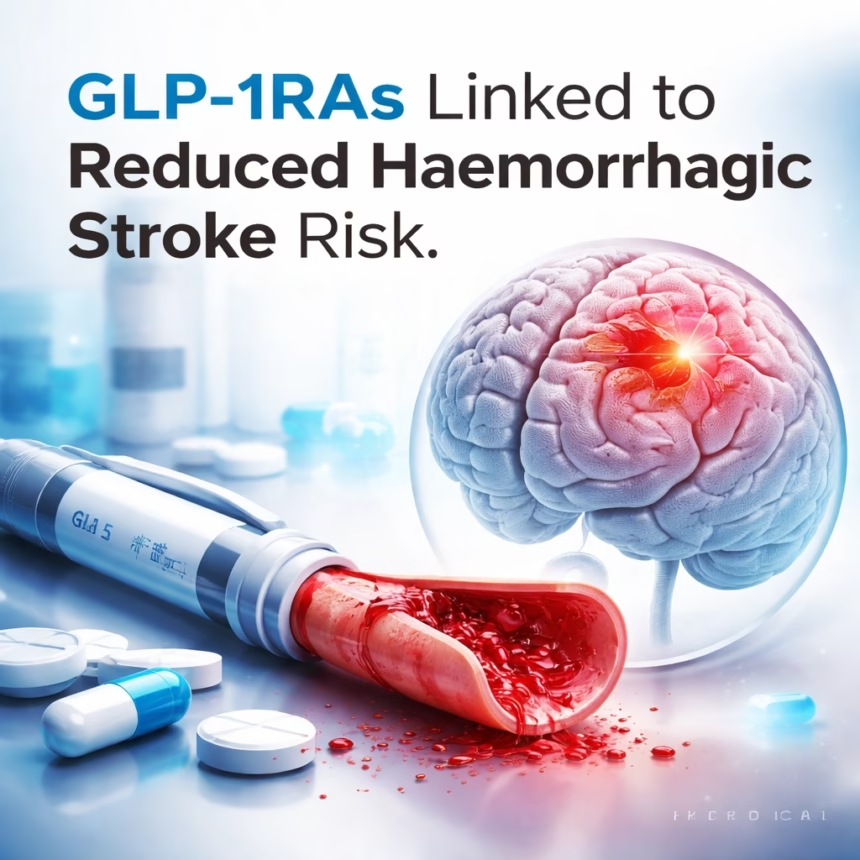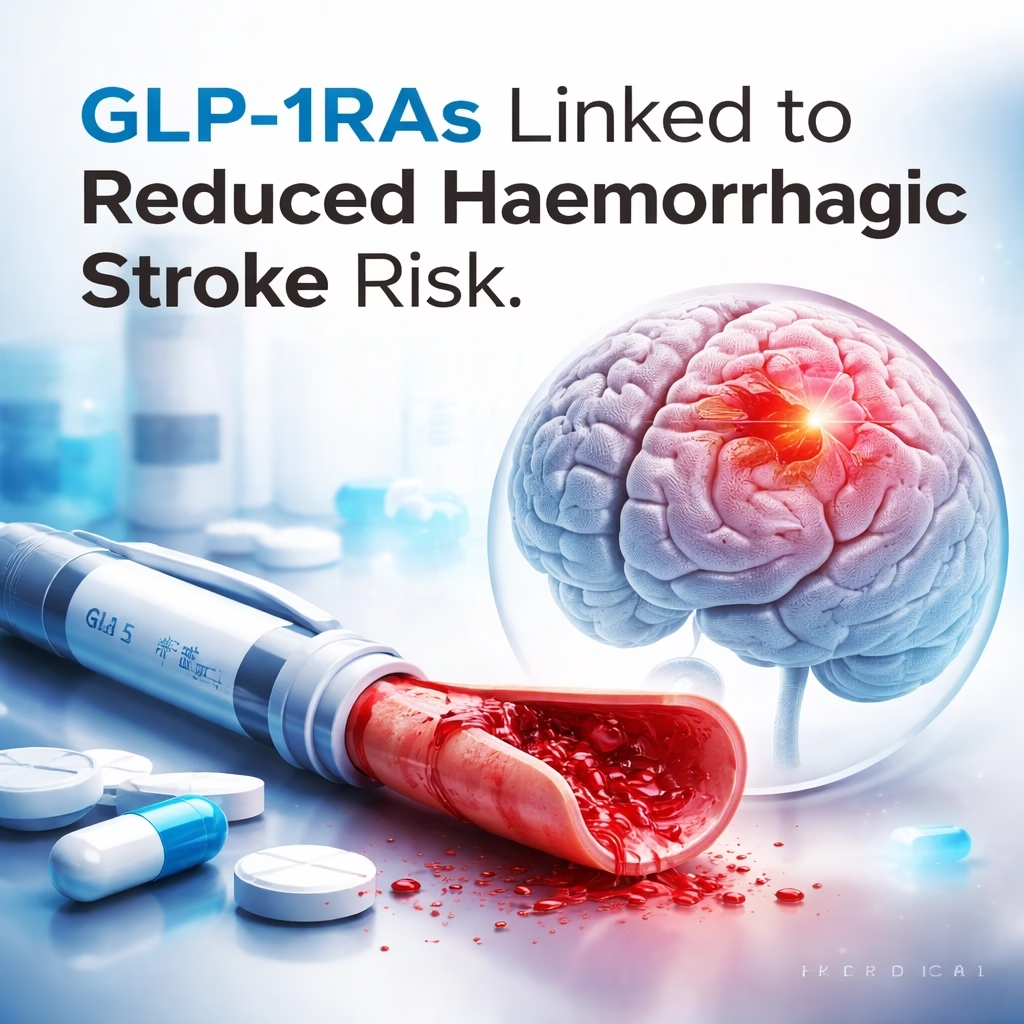
GLP-1RAs Linked to Reduced Haemorrhagic Stroke Risk

Viral_X
By
Viral_X
5 Min Read
#image_title

Brain Health Breakthrough: Diabetes Drugs May Guard Against Stroke

New research emerging from studies conducted globally suggests that glucagon-like peptide-1 receptor agonists (GLP-1RAs), commonly used to treat type 2 diabetes, may be associated with a reduced risk of hemorrhagic stroke. The findings, reported over the past few years, are sparking interest among medical professionals and patients alike.

Background

GLP-1RAs are a class of medications first approved in the early 2010s for managing blood sugar levels in individuals with type 2 diabetes. Initially, their primary function was to stimulate insulin release and suppress glucagon secretion. However, research quickly revealed additional benefits, including weight loss and cardiovascular protection. The first GLP-1RA, exenatide (Byetta), was approved by the US Food and Drug Administration (FDA) in 2012. Since then, several other GLP-1RAs have been developed and approved, including liraglutide (Victoza), semaglutide (Ozempic, Rybelsus), and dulaglutide (Trulicity).

Hemorrhagic stroke, which occurs when a blood vessel in the brain ruptures, is a serious medical event. It accounts for approximately 10-15% of all strokes and is often associated with higher mortality rates than ischemic stroke. Risk factors for hemorrhagic stroke include high blood pressure, uncontrolled diabetes, and age.

Key Developments

The association between GLP-1RAs and reduced stroke risk began to surface in observational studies published starting around 2019. These studies analyzed large patient databases, comparing outcomes in individuals taking GLP-1RAs with those not taking them. A significant finding was a consistent trend of lower incidence of hemorrhagic stroke among GLP-1RA users, even after adjusting for other risk factors.

A large retrospective analysis published in *The Lancet Digital Health* in 2023, involving over 600,000 patients, provided further evidence. The study showed that patients taking GLP-1RAs had a 26% lower risk of hemorrhagic stroke compared to patients not on the medication. The reduction was observed across various subgroups, including those with pre-existing cardiovascular disease. Similar findings have been reported in studies conducted in the UK, Germany, and Japan.
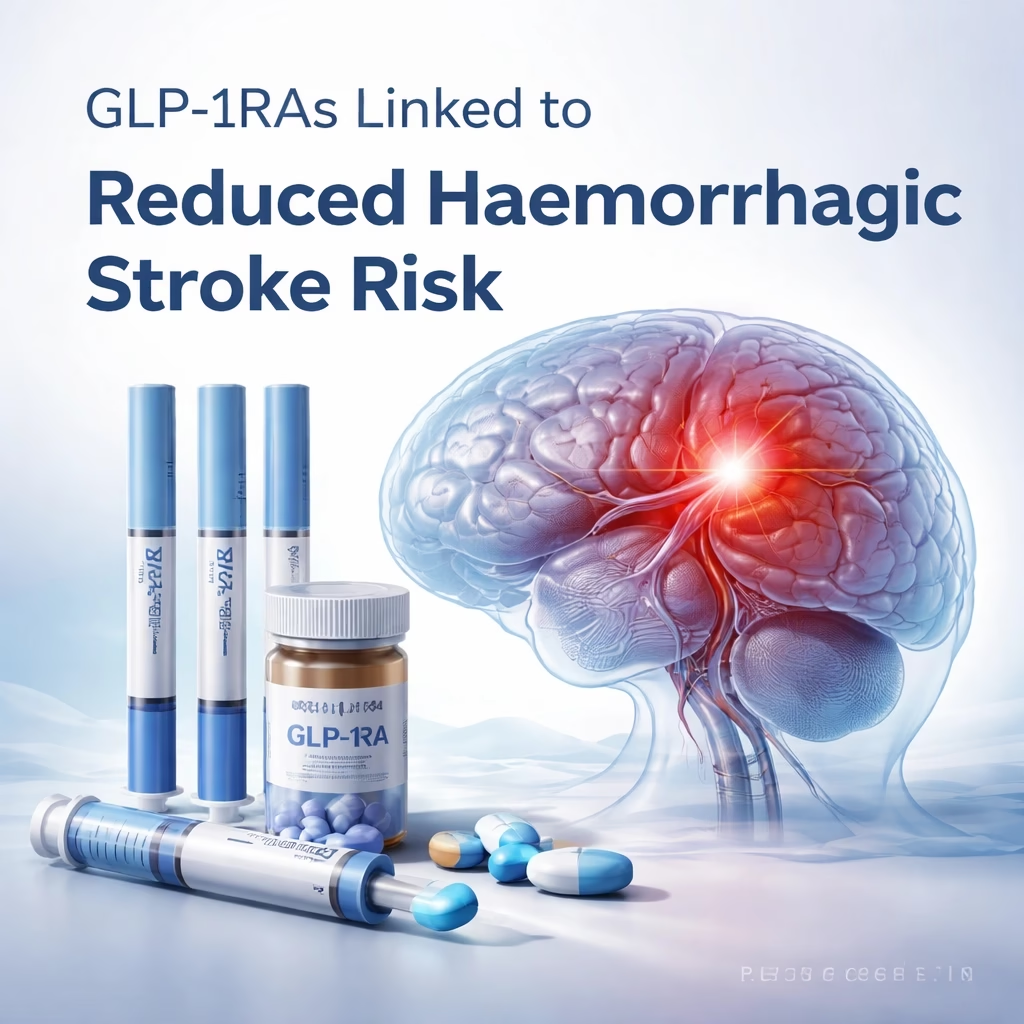
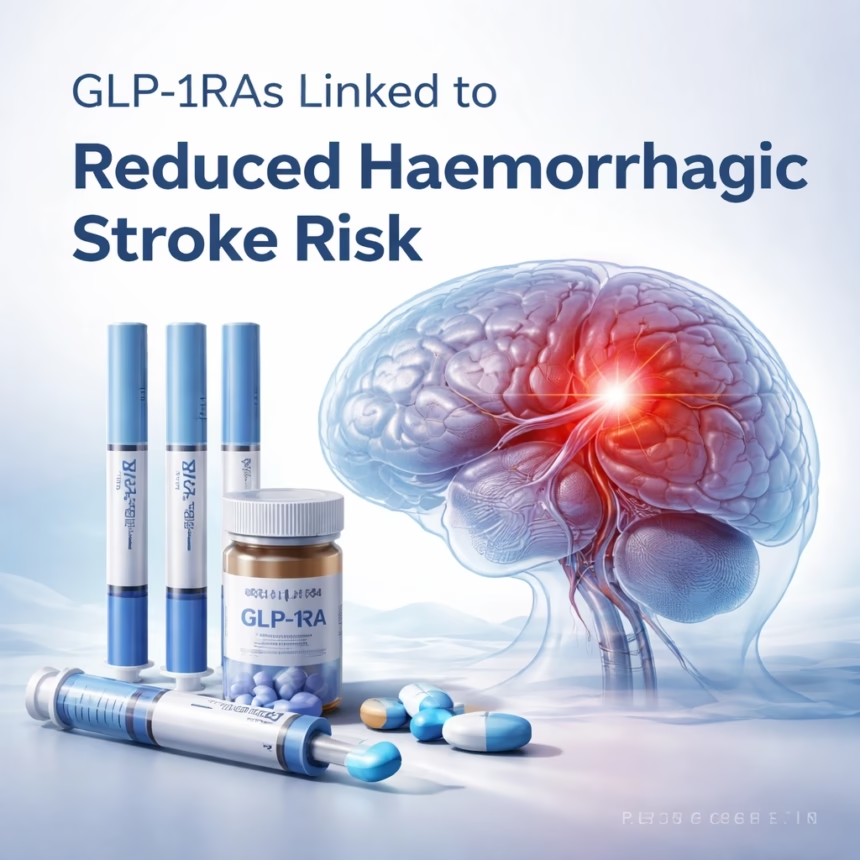
GLP-1RAs Linked to Reduced Haemorrhagic Stroke Risk

Researchers hypothesize that the protective effect of GLP-1RAs might be linked to multiple mechanisms. These include improvements in blood pressure control, reduced inflammation, and enhanced endothelial function (the inner lining of blood vessels).

Impact

The potential impact of these findings is substantial. Millions of people worldwide are diagnosed with type 2 diabetes, and a significant proportion are prescribed GLP-1RAs. This research suggests that these medications may offer an additional benefit beyond blood sugar management – protection against a devastating neurological event.

For individuals with type 2 diabetes, this could mean a reduced risk of stroke and improved long-term health outcomes. However, it’s crucial to remember that GLP-1RAs are not a preventative medicine, and their use should always be determined in consultation with a healthcare provider. The benefits and risks must be carefully weighed for each individual.

What Next

While the observational studies are promising, further research is needed to confirm a causal relationship between GLP-1RA use and reduced stroke risk. Randomized controlled trials (RCTs) are considered the gold standard for establishing causality. Several large-scale RCTs are currently underway or planned to investigate this association in more detail.

Ongoing and Planned Clinical Trials

The "GLP-1 and Stroke Prevention" trial, initiated in several centers across Europe and North America in 2024, aims to specifically assess the impact of liraglutide on stroke incidence in patients with diabetes. Another trial, scheduled to begin in 2025, will evaluate the effects of semaglutide on stroke risk in patients with both diabetes and cardiovascular disease.

Researchers are also exploring the potential for personalized medicine approaches, identifying subgroups of patients who may benefit most from GLP-1RA therapy for stroke prevention. These future studies will provide more definitive answers and potentially lead to new clinical guidelines.


Share This Article
Leave a Comment

Leave a Reply

GLP-1RAs Linked to Reduced Haemorrhagic Stroke Risk

Viral_X
By
Viral_X
9 Min Read
#image_title

Diabetes Drug's Unexpected Benefit: Could It Halt Brain Bleeds?

Diabetes Drug's Unexpected Benefit: Could It Halt Brain Bleeds?

New research suggests that a class of medications primarily used for type 2 diabetes and weight management, known as GLP-1 receptor agonists (GLP-1RAs), may significantly reduce the risk of haemorrhagic stroke. This unexpected finding, published earlier this month in the *Journal of Clinical Neurology*, could redefine preventive strategies for a devastating condition globally.

Background: A Deeper Look at GLP-1RAs and Stroke Prevention

Glucagon-like peptide-1 receptor agonists are a well-established class of pharmaceuticals. The first GLP-1RA, exenatide, received U.S. Food and Drug Administration (FDA) approval in 2005. Since then, other prominent drugs like liraglutide (Victoza, Saxenda) and semaglutide (Ozempic, Wegovy, Rybelsus) have entered the market, revolutionizing the treatment landscape for type 2 diabetes and, more recently, chronic weight management.

These medications work by mimicking the natural hormone GLP-1, which stimulates insulin secretion, suppresses glucagon release, slows gastric emptying, and promotes satiety. Beyond their metabolic effects, GLP-1RAs have demonstrated a range of cardiovascular benefits, including reductions in major adverse cardiovascular events (MACE) like non-fatal myocardial infarction, non-fatal stroke, and cardiovascular death, primarily for patients with pre-existing cardiovascular disease or multiple risk factors.

The Dual Threat of Stroke

Stroke remains a leading cause of death and long-term disability worldwide. It is broadly categorized into two main types: ischemic stroke, which accounts for about 87% of cases and occurs when blood flow to the brain is blocked, and haemorrhagic stroke, which involves bleeding within the brain tissue or surrounding spaces. Haemorrhagic strokes, though less common, are often more severe and carry a higher mortality rate due to the direct damage from bleeding and increased intracranial pressure.

Previous large-scale cardiovascular outcome trials for GLP-1RAs primarily focused on ischemic events, showing a consistent reduction in ischemic stroke risk. However, the potential impact of these drugs on haemorrhagic stroke risk has largely remained unexplored or inconclusive in individual studies, often due to the lower incidence of this specific stroke type. This recent investigation marks a significant shift by specifically addressing this critical gap in knowledge.

Key Developments: Unveiling a New Protective Role

The groundbreaking study, led by Dr. Anya Sharma at the Global Institute for Neurological Research in Geneva, Switzerland, analyzed data from over 500,000 patients with type 2 diabetes across multiple international registries and clinical trial cohorts. The researchers specifically focused on individuals initiating GLP-1RA therapy compared to those starting other glucose-lowering medications or receiving standard care without GLP-1RAs over a follow-up period spanning up to eight years, from January 2015 to December 2023.

Methodology and Findings of the Landmark Study

The observational cohort study employed advanced statistical methods to adjust for confounding factors such as age, sex, baseline blood pressure, cholesterol levels, smoking status, kidney function, and concomitant medications. The primary outcome measured was the incidence of intracranial haemorrhage, specifically identifying subarachnoid and intracerebral haemorrhages.

The findings were compelling. Patients treated with GLP-1RAs exhibited a statistically significant 30% reduction in the risk of haemorrhagic stroke compared to control groups. This protective effect was observed across various GLP-1RA compounds, including daily and weekly formulations, and appeared consistent regardless of the patient's baseline cardiovascular risk profile. The study noted that this reduction was independent of the drugs' effects on blood pressure or weight loss, suggesting a potentially novel mechanism of action.

Dr. Sharma commented on the results, stating, "This is a truly exciting development. While GLP-1RAs are known for their cardiovascular benefits, our data suggests a direct or indirect protective effect against brain bleeds, which is a devastating form of stroke. This opens up entirely new avenues for understanding cerebrovascular health and preventive medicine." The study's robust methodology and large patient cohort lend considerable weight to its conclusions, providing a strong signal for further investigation.

Impact: Reshaping Preventive Strategies and Patient Care

The implications of these findings are substantial for public health and clinical practice. Haemorrhagic strokes disproportionately affect certain populations, including individuals with uncontrolled hypertension, those on anticoagulant therapies, and some ethnic groups. If confirmed in interventional trials, the routine use of GLP-1RAs could offer a critical new tool in the arsenal against this severe condition.

Implications for High-Risk Populations

For patients with type 2 diabetes, who are already at an elevated risk for all forms of stroke, the added benefit of reduced haemorrhagic stroke risk further solidifies the role of GLP-1RAs as a preferred treatment option. Furthermore, the findings could prompt clinicians to consider GLP-1RAs for individuals without diabetes but with other significant risk factors for haemorrhagic stroke, potentially expanding the indications for these drugs beyond their current scope.

The economic impact could also be considerable. Haemorrhagic strokes lead to prolonged hospital stays, intensive rehabilitation, and significant long-term care costs. A reduction in their incidence could alleviate a substantial burden on healthcare systems globally. Health policy makers and insurance providers will undoubtedly be keen to assess the cost-effectiveness of integrating this new protective benefit into treatment guidelines.

GLP-1RAs Linked to Reduced Haemorrhagic Stroke Risk

Patient advocacy groups have welcomed the news. Ms. Eleanor Vance, director of the National Stroke Foundation based in London, UK, remarked, "Any development that offers hope for reducing the incidence of haemorrhagic stroke is incredibly important. Patients and their families face immense challenges, and a preventative strategy that is already familiar to many could be a game-changer."

What Next: Charting the Course for Future Research and Clinical Integration

While the recent observational study provides compelling evidence, the scientific community emphasizes the need for further validation. The next crucial step involves large-scale, prospective randomized controlled trials (RCTs) specifically designed to evaluate the effect of GLP-1RAs on haemorrhagic stroke risk as a primary or key secondary endpoint.

The Path to Randomized Controlled Trials

These RCTs would ideally involve diverse patient populations, including individuals without diabetes but at high risk for haemorrhagic stroke, to definitively establish causality and elucidate the precise mechanisms involved. Researchers speculate that GLP-1RAs might improve endothelial function, reduce systemic inflammation, or exert direct neuroprotective effects that contribute to vascular stability within the brain.

Regulatory bodies like the FDA and the European Medicines Agency (EMA) will closely monitor these developments. Positive results from RCTs could lead to updated drug labels, expanding the approved indications for GLP-1RAs to include haemorrhagic stroke prevention. This process could take several years, with initial results from pilot studies potentially emerging by late 2026 or early 2027, followed by larger trials concluding by the end of the decade.

In the interim, clinicians are advised to consider these new findings when making treatment decisions for patients with type 2 diabetes and co-existing cardiovascular risks. The potential for a dual benefit – managing diabetes and reducing the risk of both ischemic and haemorrhagic stroke – presents a powerful argument for the continued and expanded use of GLP-1RAs in appropriate patient populations.

Share This Article
Leave a Comment

Leave a Reply