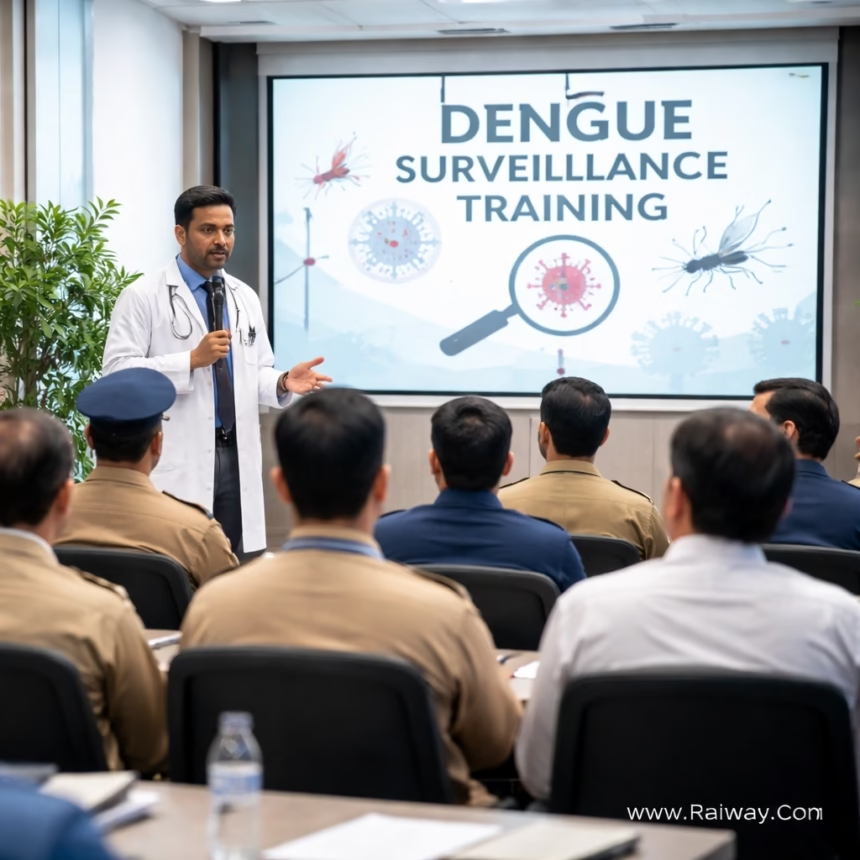
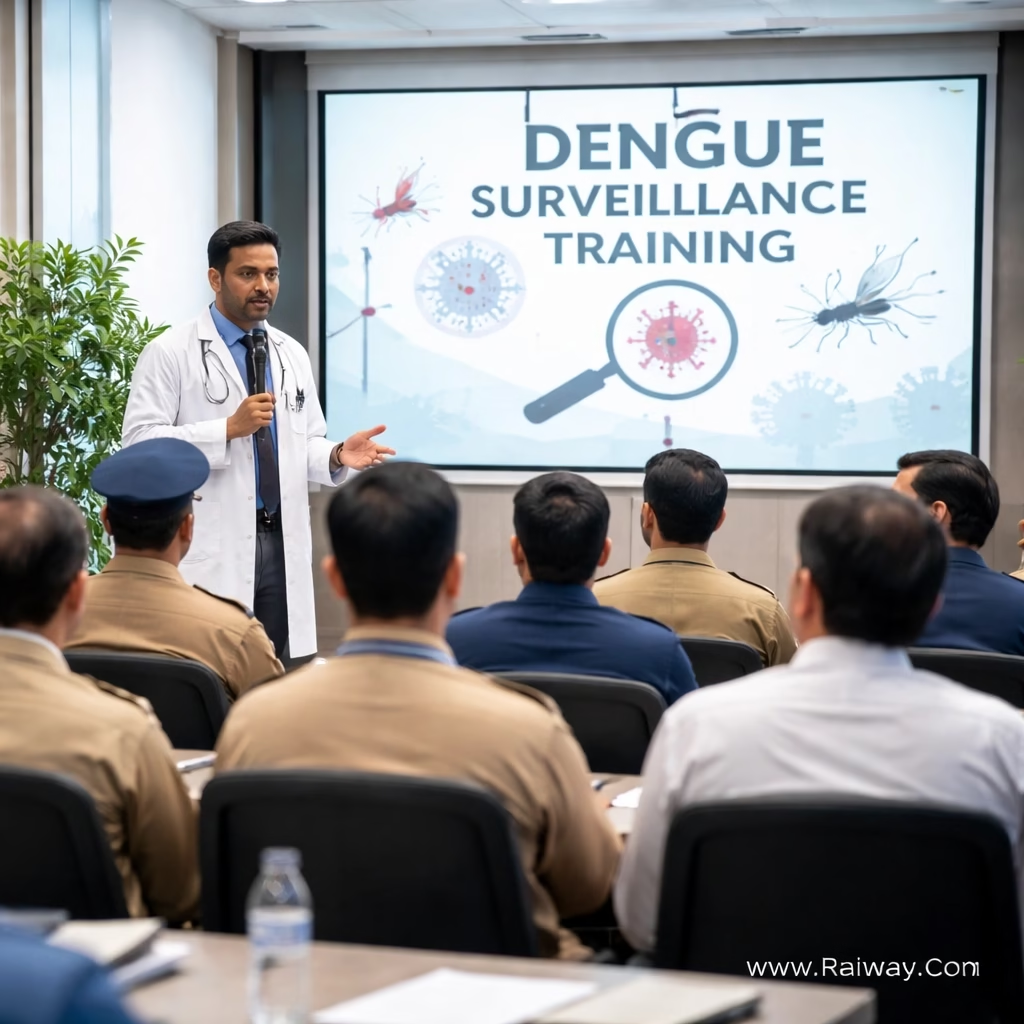
A comprehensive dengue surveillance training program was recently concluded for Pakistan Railways staff across various divisions, marking a significant step in the nation's public health efforts. The initiative, aimed at bolstering proactive measures against the mosquito-borne disease, equipped hundreds of employees with essential knowledge and practical skills for early detection and prevention within railway premises, passenger facilities, and residential colonies. This strategic move underscores a national commitment to mitigate health risks associated with the upcoming monsoon season.
Background: A Persistent Public Health Challenge
Dengue fever remains a persistent and formidable public health challenge in Pakistan, particularly during the monsoon and post-monsoon seasons when environmental conditions favor mosquito breeding. The country has experienced several significant outbreaks over the past two decades, with notable surges in 2011, 2019, and 2022, leading to considerable morbidity and mortality, and placing immense strain on healthcare infrastructure. These outbreaks have historically affected major urban centers such as Karachi, Lahore, Rawalpindi, and Peshawar, which are also key hubs for Pakistan Railways operations.
The fight against dengue has traditionally involved reactive measures, including mass fumigation campaigns and public awareness drives following confirmed cases. However, public health experts have increasingly advocated for a shift towards proactive surveillance and source reduction to break the disease transmission cycle before it escalates. Large public sector organizations, like Pakistan Railways, with their extensive footprint, vast workforce, and numerous residential colonies, are identified as critical partners in this preventative strategy. Railways' unique operational environment, encompassing stations, workshops, tracks, and staff housing, presents both specific challenges and opportunities for targeted intervention. The movement of people and goods across the country also highlights the potential for disease spread if proper controls are not in place within this vital transport network. Recognizing this strategic importance, health authorities have intensified collaborative efforts with such organizations to embed public health initiatives within their operational frameworks.
Key Developments: A New Era of Vigilance
The recently concluded training program represents a pivotal shift in Pakistan Railways' approach to dengue control, moving from general awareness to specialized, actionable surveillance. Conducted over several weeks in June 2024, the initiative targeted frontline staff from various departments, including sanitation, engineering, medical services, and estate management, across major divisions such as Lahore, Karachi, Rawalpindi, Multan, and Peshawar. More than 800 employees participated in the intensive workshops, which were designed by epidemiologists and public health experts from provincial health departments in collaboration with Railways' medical directorate.
Curriculum Highlights and Practical Application
The comprehensive curriculum focused on several critical areas:

Dengue Vector Identification: Participants received detailed instruction on identifying the Aedes aegypti mosquito at various life stages, from eggs and larvae to pupae and adults. This included practical sessions using microscopes and field samples.
* Breeding Site Recognition and Elimination: A core component involved hands-on training for identifying potential breeding sites within railway premises. This included stagnant water in discarded tires, flower pots, coolers, overhead tanks, and construction sites. Emphasis was placed on "source reduction" techniques, such as proper waste disposal, covering water containers, and regular draining of stagnant water.
* Larval Surveillance Techniques: Staff were trained on systematic methods for conducting larval surveys, including dipping techniques and calculating larval indices, to assess the mosquito population density in specific areas.
* Symptoms and Reporting: Participants learned to recognize the early symptoms of dengue fever in humans and were instructed on standardized reporting protocols for suspected cases among staff, passengers, or residents of railway colonies.
* Integrated Vector Management (IVM): The training promoted an IVM approach, combining environmental management, biological control (where feasible), and judicious use of chemical controls (e.g., larvicides, adulticides) as a last resort, ensuring minimal environmental impact.
* Community Engagement: A significant module focused on effective communication strategies to engage residents of railway colonies and passengers in preventative practices, fostering a sense of shared responsibility.
The program also facilitated the formation of dedicated "Dengue Surveillance Teams" within each division, tasked with conducting regular inspections, maintaining cleanliness, and promptly reporting findings to a centralized monitoring unit. This structured approach aims to ensure continuous vigilance and rapid response capabilities.
Impact: Safeguarding Lives and Operations
The implications of this enhanced dengue surveillance training extend far beyond immediate health benefits, impacting multiple facets of Pakistan Railways' operations and the wider community.

Enhanced Employee and Passenger Safety
Directly, the training significantly enhances the health and safety of thousands of Pakistan Railways employees and their families residing in railway colonies. By empowering staff with the knowledge and tools for prevention, the risk of dengue contraction within their living and working environments is substantially reduced. This, in turn, contributes to a healthier workforce, minimizing absenteeism due due to illness and maintaining operational efficiency. Furthermore, the proactive measures implemented at stations, platforms, and passenger coaches create a safer travel environment for the millions of commuters and long-distance travelers who utilize railway services annually. A reduction in disease transmission within railway facilities can also prevent these locations from becoming potential hubs for wider community spread.
Contribution to National Public Health
By systematically addressing dengue breeding grounds within its vast network, Pakistan Railways becomes a vital contributor to the national dengue control program. The data collected through the new surveillance system will provide valuable epidemiological insights, aiding health authorities in understanding disease patterns and allocating resources more effectively. Reduced dengue incidence within railway-affiliated populations directly lessens the burden on public healthcare facilities, freeing up resources for other critical health services. This initiative exemplifies inter-sectoral collaboration, a cornerstone of effective public health strategies, demonstrating how a large government entity can play a pivotal role in safeguarding national health.
Economic and Social Benefits
The economic benefits are substantial. Reduced disease incidence translates to lower healthcare expenditures for individuals and the state. A healthier workforce ensures uninterrupted service delivery, preventing economic losses associated with operational disruptions. Socially, the program fosters a sense of responsibility and community engagement among railway staff and residents, promoting healthier living environments. It also projects a positive image of Pakistan Railways as an organization deeply committed to the well-being of its employees and the public it serves, strengthening public trust and confidence.
What Next: Sustaining Vigilance and Expansion
The conclusion of the training program marks the beginning of an intensive implementation phase, with several key milestones anticipated in the coming months and years.
Immediate Implementation and Monitoring
The newly trained Dengue Surveillance Teams are expected to commence their regular inspection and source reduction activities immediately, particularly as the monsoon season approaches. A robust monitoring and evaluation framework is being established to track their progress. This framework will include key performance indicators (KPIs) such as the number of breeding sites identified and eliminated, the regularity of inspections, and ultimately, a measurable reduction in dengue cases reported within railway premises and colonies. Divisional medical officers will oversee these teams, submitting weekly reports to a central dengue control cell within the Railways' Medical Directorate.
Refresher Courses and Capacity Building
Recognizing the dynamic nature of public health challenges and the need for continuous skill enhancement, Pakistan Railways plans to conduct annual refresher courses for the trained staff. These sessions will update employees on new research, evolving best practices in vector control, and any changes in national health guidelines. Furthermore, the program aims to expand its reach, training more staff in additional railway divisions and sub-divisions, ensuring comprehensive coverage across the entire network. There are also discussions about developing a pool of master trainers from within the Railways to ensure self-sufficiency in future training initiatives.
More Read

Technological Integration and Data Analysis
To enhance efficiency and data accuracy, there are plans to integrate digital tools for reporting and data collection. This could involve mobile applications allowing surveillance teams to log findings in real-time, complete with geo-tagging and photographic evidence. Such a system would enable rapid data analysis, identifying high-risk areas, predicting potential outbreaks, and informing targeted interventions. The aggregated data will also be shared with provincial and national health authorities, contributing to a broader national epidemiological database for dengue surveillance.
Public Awareness Campaigns and Inter-Agency Collaboration
Complementing the staff efforts, Pakistan Railways intends to launch localized public awareness campaigns within railway colonies and at major stations. These campaigns will educate passengers and residents about dengue prevention, emphasizing their role in maintaining clean environments. Furthermore, continued and strengthened collaboration with municipal corporations, district health offices, and other relevant government agencies will be crucial. This inter-agency synergy will ensure a coordinated response, leveraging collective resources and expertise to achieve the overarching goal of significantly reducing dengue incidence and safeguarding public health across Pakistan.