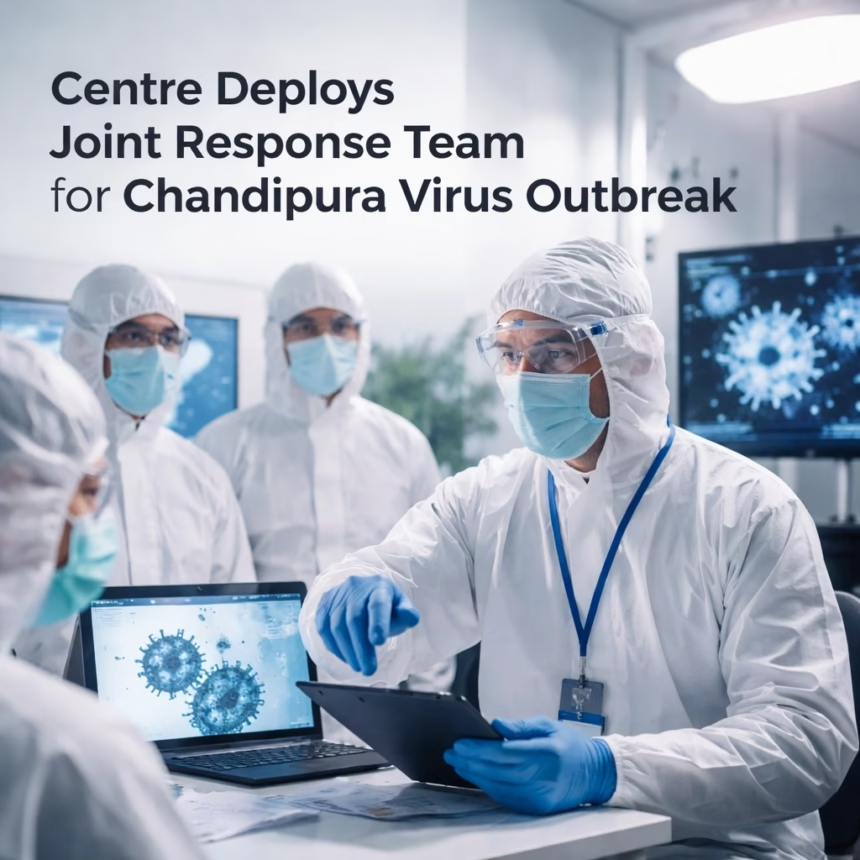
New Delhi, August 15, 2024 – The Union government has swiftly deployed a multi-disciplinary national joint response team to several states grappling with a recent surge in Chandipura virus (CHPV) cases. This rapid intervention aims to bolster local health infrastructure and contain the spread of the rare, mosquito-borne pathogen, primarily affecting regions in Maharashtra, Telangana, and Gujarat. The deployment follows an urgent review of the escalating public health challenge, with the team commencing operations immediately upon arrival in the most affected districts.
Background: Understanding the Chandipura Virus
The Chandipura virus is a rare arbovirus belonging to the *Rhabdoviridae* family, first identified in India in 1965. Transmitted primarily through the bites of infected sandflies and mosquitoes, particularly species like *Phlebotomus argentipes* and *Aedes aegypti*, CHPV causes an acute febrile illness that can progress rapidly to encephalitis. Symptoms typically include sudden onset of high fever, headache, vomiting, and abdominal pain. In severe cases, especially among young children, it can lead to neurological complications such as seizures, altered mental status, and coma, often with a high fatality rate.
Historically, Chandipura virus outbreaks have been sporadic and localized, primarily affecting rural and semi-urban areas during the monsoon and post-monsoon seasons. Past outbreaks have been documented in states like Maharashtra, Gujarat, and Andhra Pradesh, often presenting a diagnostic challenge due to its similarity to other viral encephalitides. The current surge, however, marks an unprecedented increase in both geographical spread and case numbers, prompting heightened concern among public health officials. Experts attribute the recent spike to a confluence of factors, including unusual monsoon patterns, increased vector density, and potential changes in human-vector interaction dynamics. Local health departments in affected states had initially struggled with rapid diagnostics and specialized clinical management protocols, necessitating central assistance.
Key Developments: National Team Mobilizes Resources
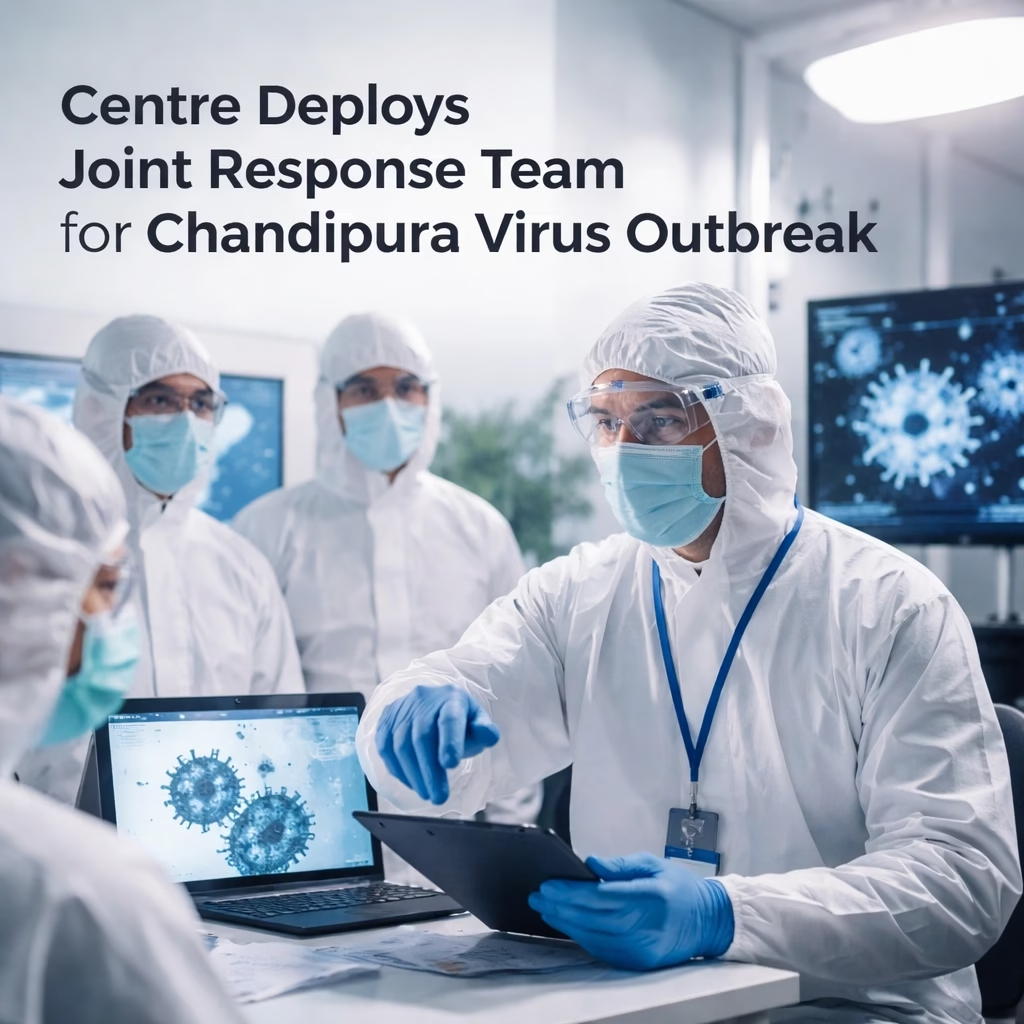
In response to the escalating crisis, the Ministry of Health and Family Welfare constituted and deployed a high-level national joint response team on August 12, 2024. This specialized team comprises leading experts from the National Centre for Disease Control (NCDC), the Indian Council of Medical Research (ICMR), All India Institute of Medical Sciences (AIIMS), National Institute of Mental Health and Neurosciences (NIMHANS), and various public health and epidemiology specialists. Their mandate is comprehensive: to conduct rapid epidemiological investigations, strengthen diagnostic capabilities, establish robust surveillance mechanisms, and provide clinical management guidance.

Upon arrival, the team immediately began setting up mobile diagnostic units equipped with real-time PCR testing facilities to expedite case confirmation, drastically reducing turnaround times from days to hours. In districts like Aurangabad (Maharashtra), Adilabad (Telangana), and Surat (Gujarat), these units are now operational, processing samples from suspected cases. Furthermore, intensive training sessions for local healthcare workers on CHPV symptom recognition, sample collection, and critical care management have been initiated. The NCDC component of the team is working closely with state vector control units to implement targeted insecticide spraying campaigns and larval source reduction strategies in high-incidence areas. A significant focus is also on community engagement, with public health advisories being disseminated in local languages to educate residents on preventive measures, early symptom recognition, and seeking timely medical care.
Enhanced Surveillance and Research Initiatives
The ICMR contingent of the national team is also spearheading enhanced surveillance activities, including sentinel site surveillance in hospitals and community-based surveys to ascertain the true burden of the disease. Research efforts are underway to study the genetic sequencing of the circulating virus strains, analyze vector competence, and identify potential environmental risk factors contributing to the current outbreak. This data will be crucial for developing more effective long-term control strategies and potentially informing vaccine development efforts. The Centre has also committed additional financial aid to the affected states to procure essential medicines, personal protective equipment, and enhance critical care infrastructure, including pediatric intensive care unit (PICU) beds.
Impact: Children Most Vulnerable Amid Rising Cases
The Chandipura virus outbreak has disproportionately affected children under the age of 14, who represent over 70% of the confirmed cases. As of August 14, 2024, state health departments, corroborated by the national team, reported a cumulative total of 387 confirmed cases across the three primary affected states: Maharashtra (178 cases), Telangana (121 cases), and Gujarat (88 cases). Tragically, 23 fatalities have been recorded since early July, with the majority being young children experiencing severe neurological complications. The rapid progression of the disease and the specific vulnerability of pediatric populations have placed immense strain on healthcare facilities, particularly pediatric wards and intensive care units, which are now operating at near capacity in several district hospitals.

Public fear and anxiety are palpable in the affected regions. Schools in some high-incidence zones have temporarily suspended classes or shifted to online learning to minimize potential transmission risks among children. Farmers and daily wage earners are also facing economic disruption due to movement restrictions and health concerns. The psychological toll on families caring for critically ill children is significant, with many traveling long distances to access specialized medical care. The outbreak underscores the critical need for robust public health infrastructure capable of responding to rare but highly virulent pathogens.
Socio-Economic Repercussions
Beyond the immediate health crisis, the outbreak has triggered socio-economic repercussions. Local markets have seen reduced footfall, and small businesses are struggling. Public health campaigns are actively addressing misinformation and promoting hygienic practices, including the use of mosquito nets and repellents, to mitigate the spread and restore public confidence. The Centre’s deployment is a direct effort to alleviate these pressures by providing both medical and logistical support, aiming to stabilize the situation and prevent further socio-economic disruption.
What Next: Sustained Efforts for Containment and Prevention
The national joint response team is expected to remain deployed for an initial period of four to six weeks, with the duration subject to review based on the evolving epidemiological situation. During this period, their focus will remain on aggressive case finding, contact tracing, vector control, and ensuring optimal clinical management. A key objective is to significantly reduce the reproductive number (R0) of the virus and bring the daily new case count to a manageable level.
Looking ahead, the Ministry of Health and Family Welfare is planning a comprehensive post-outbreak strategy. This includes establishing permanent sentinel surveillance sites for Chandipura virus in high-risk zones, developing state-specific emergency response plans for arboviral diseases, and investing in advanced virology labs at the regional level. Efforts to develop an indigenous vaccine for CHPV, though in nascent stages, are also expected to receive renewed impetus from ICMR. Public awareness campaigns will continue year-round, focusing on environmental sanitation, personal protection against insect bites, and the importance of early diagnosis. The Centre has reiterated its commitment to working collaboratively with state governments to ensure that robust long-term measures are in place to prevent future outbreaks and protect the health of its citizens.