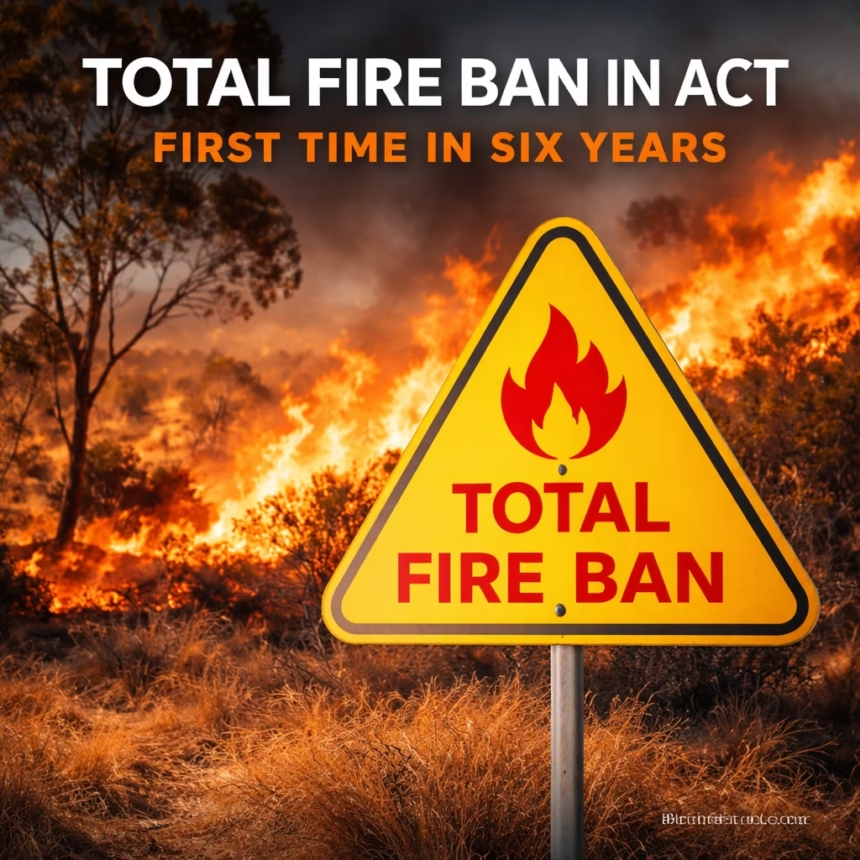
Six-Year First: ACT Declares Total Fire Ban Amid Escalating Bushfire Threat
Six-Year First: ACT Declares Total Fire Ban Amid Escalating Bushfire Threat
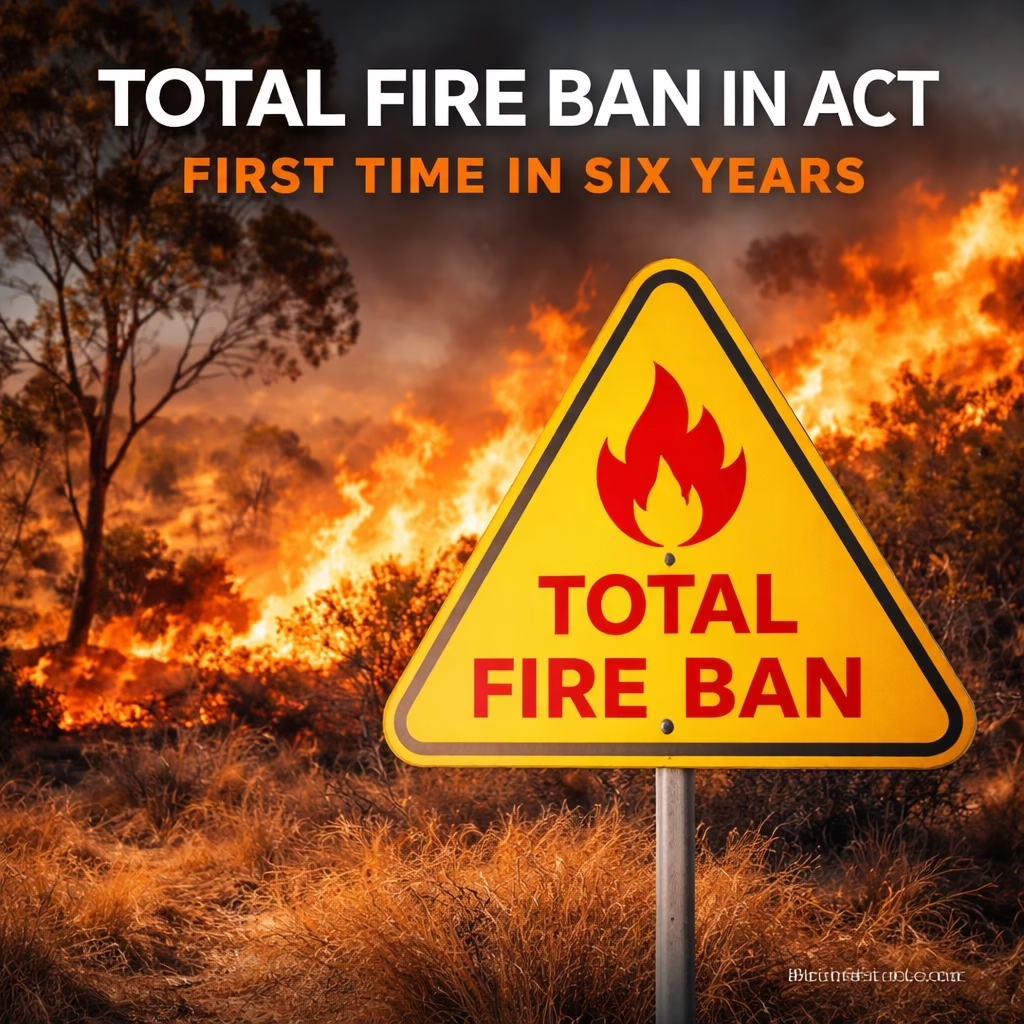
The Australian Capital Territory (ACT) is set to implement its first total fire ban in six years, effective from 12:01 AM on Friday, January 19, 2024. This critical measure has been declared by the ACT Emergency Services Agency (ESA) in response to escalating bushfire danger, driven by forecast extreme weather conditions across the region.
The declaration underscores a heightened period of risk for Canberra and surrounding areas, urging residents to exercise extreme caution and adhere strictly to all fire restrictions.
Background: A Region on Edge
The decision to impose a total fire ban follows a period of sustained high temperatures, low humidity, and the prediction of strong, gusty winds for the coming days. The Bureau of Meteorology (BoM) has forecast temperatures to soar above 38 degrees Celsius, with relative humidity plummeting below 15 percent, particularly during the peak heat of the day. Wind gusts are expected to reach up to 60 kilometres per hour, predominantly from the west and north-west, conditions known to rapidly spread any ignition.

The last total fire ban in the ACT was declared in January 2018, during a similar spell of intense heat and dry lightning potential. That period, while challenging, did not result in major bushfire incidents within the territory. However, the memory of devastating fire seasons, particularly the catastrophic 2003 Canberra bushfires and the widespread Black Summer fires of 2019-2020, remains a powerful motivator for proactive measures.
The 2003 fires, which claimed four lives, destroyed over 500 homes, and burnt 70% of the ACT’s land area, fundamentally reshaped the territory’s approach to bushfire management. Subsequent reviews and strategic updates, including the establishment of the ACT ESA and the strengthening of the ACT Rural Fire Service (RFS), have focused on early intervention and community preparedness.
The criteria for declaring a total fire ban are stringent, relying on a combination of BoM forecasts, assessments of vegetation dryness (fuel loads), and the calculated Fire Danger Index (FDI). When the FDI reaches “Extreme” or “Catastrophic” levels, as is currently anticipated, the ACT Emergency Services Commissioner is empowered under the Emergencies Act 2004 to declare a total fire ban across the entire territory to protect lives and property.

Key Developments: Restrictions and Readiness
The total fire ban will commence precisely at 12: 01 AM on Friday, January 19, 2024, and will remain in effect until further notice. This blanket restriction applies to all areas of the Australian Capital Territory, encompassing urban zones, rural properties, national parks, and nature reserves.
Prohibited Activities Under the Ban
During a total fire ban, strict rules are enforced to prevent any potential fire ignition. The public must adhere to the following prohibitions:
- No open-air fires, including campfires, bonfires, and incinerators, regardless of whether a permit has been previously issued.
- No solid fuel barbecues, meaning those that use wood, charcoal, or other combustible materials, are permitted anywhere, including private residences, public parks, and designated picnic areas.
- Gas and electric barbecues are allowed, but only under strict supervision, kept clear of any flammable materials, and used in an area where they cannot ignite surrounding vegetation.
- Hot works, such as welding, grinding, soldering, or using power tools that generate sparks, are strictly forbidden in the open air or near dry vegetation.
- Operating machinery with an internal combustion engine, including mowers, slashers, or agricultural equipment, is prohibited in areas containing dry grass or other flammable material.
- Any form of burning off, including pile burns or stubble burns, is completely banned.
The ACT ESA has significantly ramped up its operational readiness. Additional fire crews from the ACT Rural Fire Service and ACT Fire & Rescue will be on standby, with aerial surveillance assets, including helicopters and fixed-wing aircraft, pre-positioned for rapid deployment. The Emergency Services Agency’s command centre will be fully staffed, facilitating real-time monitoring and coordination with neighbouring fire services, particularly the NSW Rural Fire Service, given the cross-border nature of bushfire threats.
Penalties for Non-Compliance
Breaching a total fire ban is a serious offence. Individuals found violating the restrictions face substantial penalties, including fines of up to $5,000. In cases where a breach leads to a fire, even unintentionally, the consequences can be far more severe, potentially involving significant criminal charges, imprisonment, and liability for the costs of fire suppression and damages. The ACT ESA urges all residents and visitors to understand and comply with these vital regulations, emphasizing that public safety is paramount.
Impact: Who Is Affected and How to Prepare
The declaration of a total fire ban has widespread implications, affecting nearly every aspect of daily life and operations within the ACT. From individual residents to various industries and the natural environment, vigilance and preparedness become critical.
Residential Preparedness and Vigilance
Residents across the ACT are urged to activate or review their bushfire survival plans. This includes clearing gutters of leaf litter, removing flammable materials from around homes, ensuring easy access for fire services, and discussing evacuation routes with family members. It is crucial for households, especially those in bushfire-prone areas or on the urban interface, to be aware of the Fire Danger Rating (FDR) and to stay informed through official channels like the ESA website, social media, and local emergency broadcasters. Preparing an emergency kit with essential documents, medications, and supplies is also highly recommended.
More Read

Business and Agricultural Disruptions
The construction industry will experience significant disruptions, as many outdoor activities involving heat or sparks are prohibited. This could lead to project delays and financial impacts for businesses operating within the territory. Agricultural operations, particularly harvesting activities, will also be severely constrained. Farmers are advised to postpone non-essential work, ensure any machinery used is thoroughly maintained to prevent sparks, and have immediate fire suppression equipment on hand. The ban aims to mitigate risks associated with machinery use in dry grass, a common cause of rural fires.
Recreation and Environmental Considerations
Outdoor enthusiasts, including hikers, campers, and mountain bikers, will find access to many areas restricted. All camping grounds within ACT national parks and nature reserves are expected to be closed, and many walking trails may be inaccessible. Visitors are strongly advised to check park closures and conditions before planning any outdoor activities. The ban is also a crucial measure to protect the ACT’s unique biodiversity. A bushfire during extreme conditions poses an immense threat to native flora and fauna, potentially leading to widespread habitat destruction and impacting vulnerable species within the territory’s protected areas.
Beyond the immediate physical dangers, the declaration can also induce heightened anxiety and stress within the community, particularly for those who have experienced past bushfire events. The ACT ESA provides resources and support services for mental health during emergency periods, acknowledging the psychological toll such threats can take.
What Next: Monitoring, Lifting, and Long-Term Outlook
The duration of the total fire ban remains contingent on prevailing weather conditions and the ongoing assessment by the ACT Emergency Services Agency. Continuous monitoring of Bureau of Meteorology forecasts will be the primary driver for any decisions regarding the ban’s lifting or extension.
Monitoring and Lifting the Ban
ACT ESA officials, in conjunction with BoM meteorologists, will meticulously track temperature, humidity levels, wind speed and direction, and the likelihood of rainfall. The ban will only be lifted when the Fire Danger Rating consistently drops to “High” or below, and forecast conditions indicate a significant and sustained reduction in bushfire risk. The community will be informed promptly through official channels once a decision to lift the ban is made, with efforts to provide at least 24 hours’ notice where possible. However, even after the ban is rescinded, residents are reminded that the bushfire season will continue, and the need for vigilance and preparedness remains.
Ongoing Public Messaging and Preparedness
Throughout the ban period and beyond, the ACT ESA will maintain a robust public information campaign. This includes regular updates via their website, social media platforms, and local media outlets. The focus will be on reinforcing bushfire safety messages, providing real-time incident information, and reminding residents about the importance of having and practicing a bushfire survival plan. Community engagement sessions and educational materials will continue to be promoted to build a more resilient and fire-aware population.
Long-Term Implications for Fire Management
The declaration of this total fire ban, the first in six years, serves as a stark reminder of the ACT’s inherent vulnerability to bushfires, particularly as climate change contributes to longer, hotter, and drier fire seasons. This event will likely prompt further evaluation of existing fire management strategies, including hazard reduction programs, urban planning in bushfire interface zones, and the allocation of resources for emergency services. There is an increasing emphasis on developing long-term resilience strategies that integrate climate science, community education, and technological advancements to better protect the territory from future bushfire threats.
The ACT government and emergency services remain committed to safeguarding the community, leveraging lessons learned from past events to enhance preparedness and response capabilities for the challenges ahead.