[CONT]
Could Self-Hypnosis Be the Secret Weapon Against Menopausal Hot Flashes?
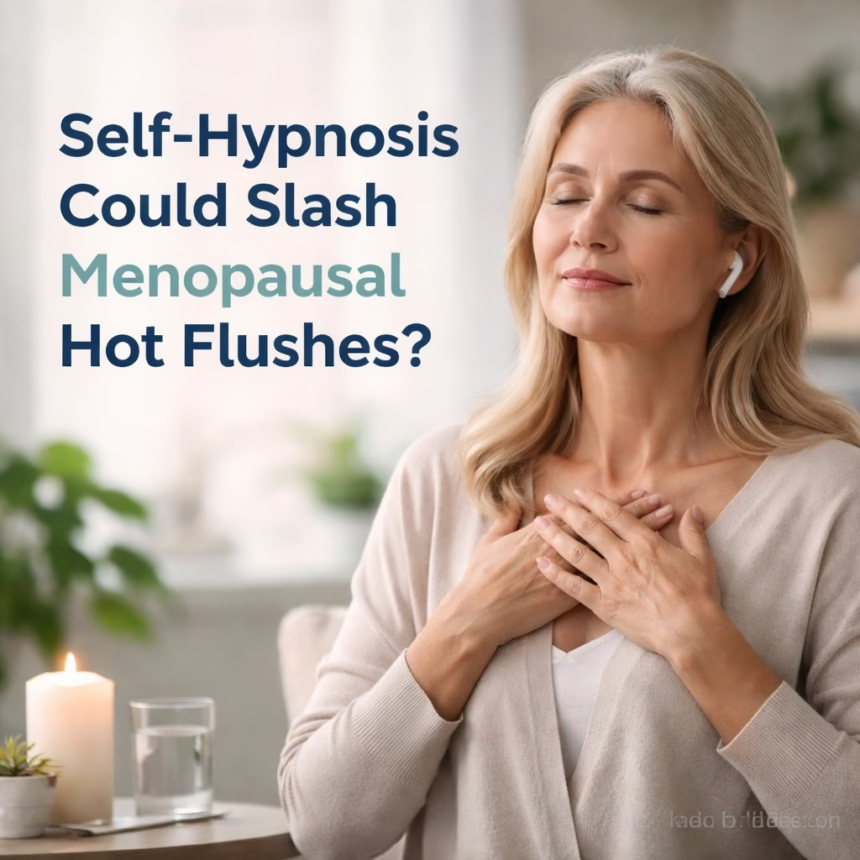
Hot flashes are a common and often distressing symptom for many women going through menopause. A new study from the University of Texas suggests that self-hypnosis could be an effective, non-pharmaceutical option for managing these symptoms.
Background: The Burden of Hot Flashes
Menopause, typically occurring between the ages of 45 and 55, marks the end of a woman’s reproductive years. Hot flashes—sudden feelings of heat, often accompanied by sweating—affect about 75% of menopausal women. These episodes can last from a few seconds to several minutes and may occur multiple times a day.
Traditional treatments include hormone therapy, which carries its own set of risks, and lifestyle changes like avoiding triggers such as spicy foods or caffeine. However, many women seek alternative therapies to manage their symptoms without the use of medications.
Key Developments: The Texas Study
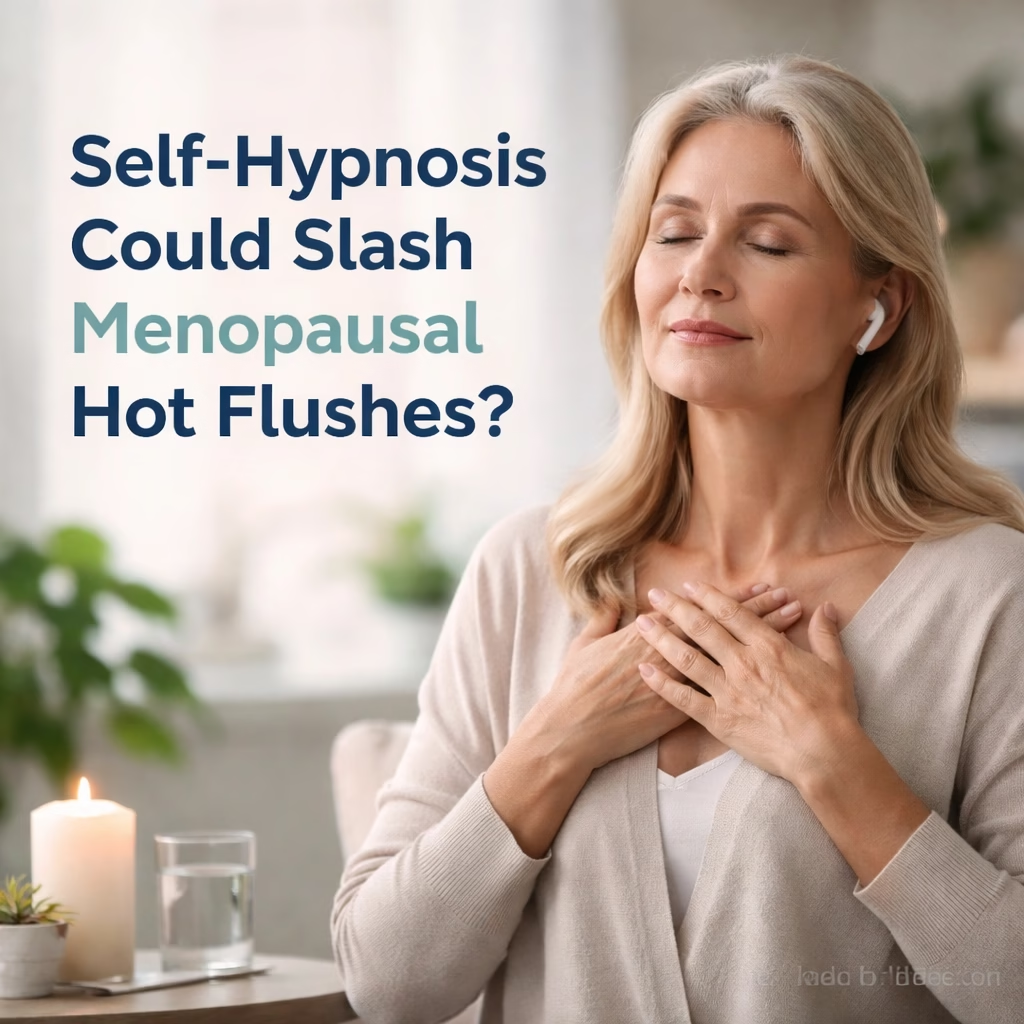
The study, led by researchers at the University of Texas, found that women who practiced self-hypnosis reported a significant reduction in the frequency and severity of hot flashes. Participants were trained in self-hypnosis techniques and asked to practice them daily for 12 weeks. The results showed a 50% reduction in hot flashes, compared to a 15% reduction in the control group, which received only a relaxation training.
More Read

The findings were published in the journal Menopause in 2023, adding to a growing body of research supporting the use of mind-body therapies for menopausal symptoms. Previous studies have also suggested that hypnosis can help with insomnia and anxiety, which are common during menopause.
Impact: Who Stands to Benefit
This research could be particularly beneficial for women who cannot or choose not to use hormone therapy. For example, women with a history of breast cancer or those at high risk for blood clots may avoid hormone replacement therapy due to concerns about side effects. Self-hypnosis offers a low-risk, low-cost alternative that women can perform at home without medical supervision.
Additionally, the findings may encourage healthcare providers to consider mind-body interventions as part of a comprehensive approach to menopause management. Some clinics already offer hypnosis training, but the practice is not yet widely adopted in mainstream medicine.
More Read

What Next: Expanding Access and Research
While the results are promising, the researchers note that more studies are needed to confirm the long-term benefits of self-hypnosis. Future research could explore whether the effects of hypnosis persist after the training period ends and whether certain individuals respond better than others.
Efforts are also underway to make self-hypnosis training more accessible. Online programs and mobile apps are being developed to help women learn the techniques without needing in-person sessions. If these tools prove effective, they could make this therapy available to a much broader audience.