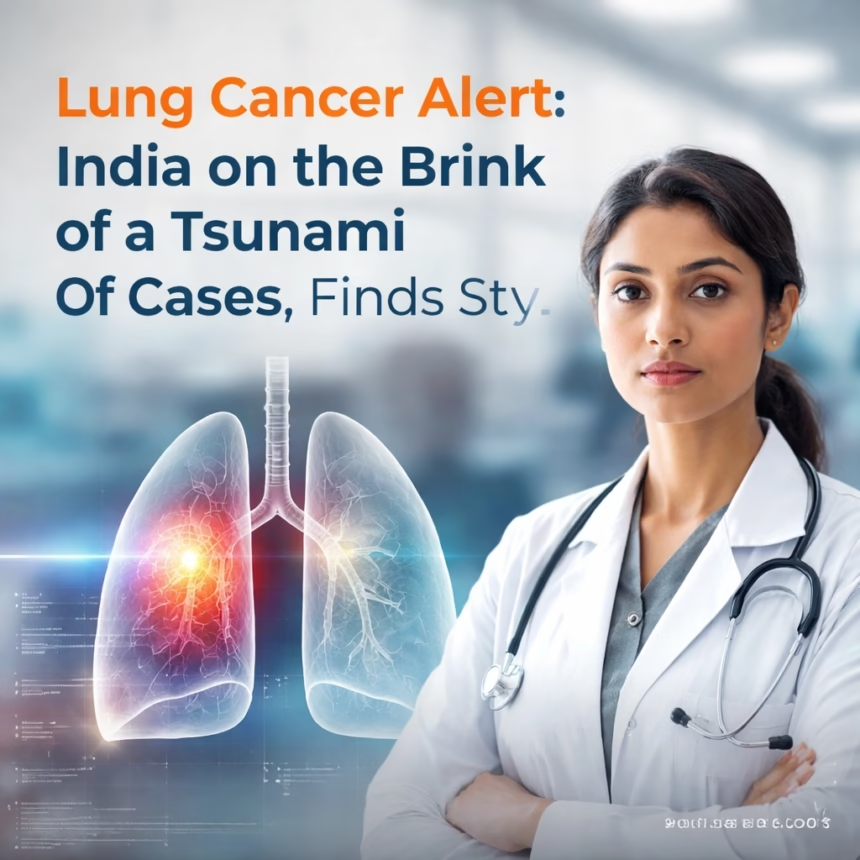
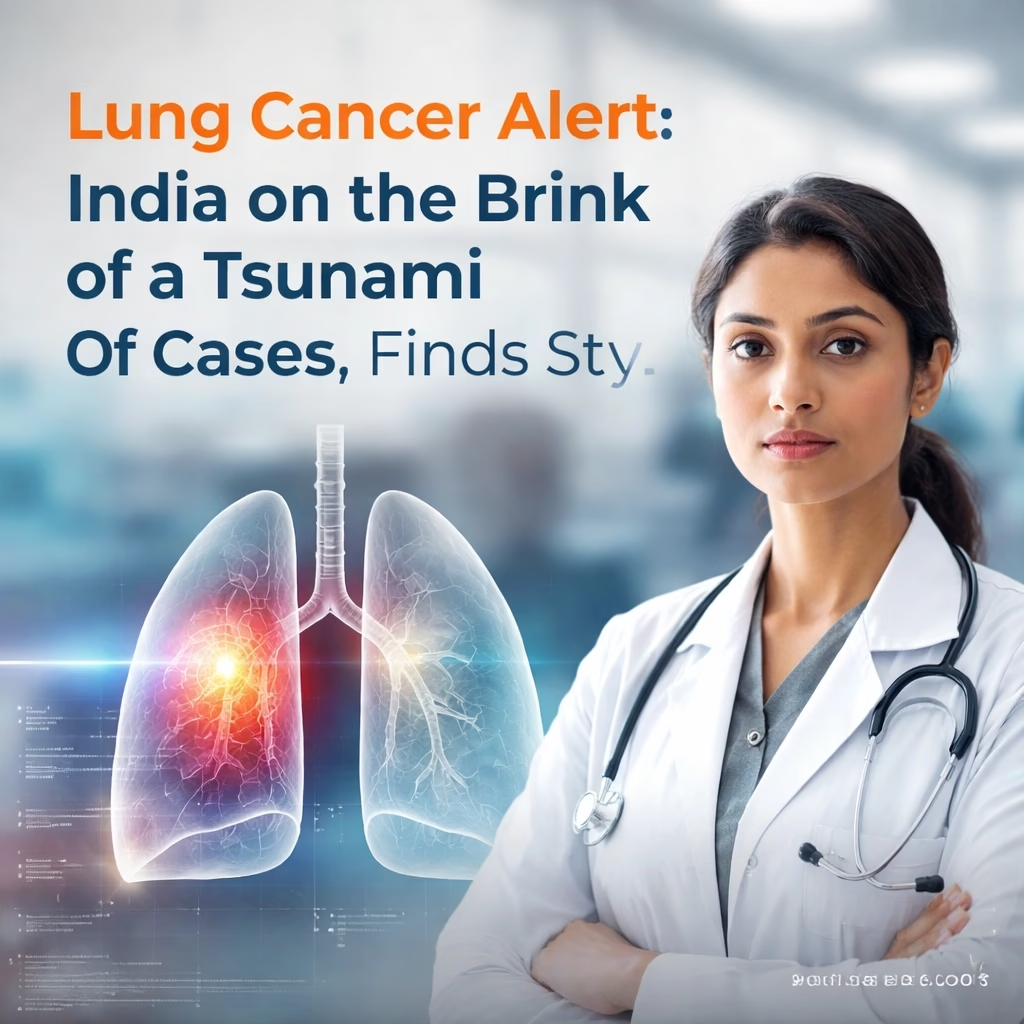
Lung cancer alert: India on the brink of a tsunami of cases, finds study; Oncologist answers 5 critical q

Viral_X
By
Viral_X
4 Min Read

A groundbreaking study has revealed that India is on the verge of a lung cancer “tsunami,” with cases projected to surge dramatically in the coming years. Oncologists warn of a looming public health crisis as the country grapples with increasing incidence rates.

Background

Lung cancer has long been a significant health concern in India, with traditional risk factors such as smoking and air pollution contributing to its prevalence. According to the study, India is currently the third-largest contributor to global lung cancer cases, following China and the United States. The disease has been steadily rising, with projections indicating a sharp increase in the next decade.

Lung cancer alert: India on the brink of a tsunami of cases, finds study; Oncologist answers 5 critical q

The timeline of lung cancer in India dates back several decades, but the recent acceleration in cases has alarmed health experts. The study highlights that while smoking remains a primary risk factor, other factors like secondhand smoke, occupational hazards, and poor air quality are exacerbating the situation.

Key Developments

Recent findings from the study underscore the urgency of the situation. The research predicts that lung cancer cases in India could double by 2035 if current trends continue. This alarming projection is attributed to a combination of factors, including the high prevalence of smoking, particularly among men, and the growing exposure to environmental pollutants.

Oncologists have also noted a shift in the demographic profile of lung cancer patients. Previously, the disease was more common among older adults, but there is now a noticeable increase in cases among younger individuals, including those in their 30s and 40s. This trend is particularly concerning as it suggests a broader and more immediate impact on the population.

Impact

The impending lung cancer crisis will have far-reaching consequences for India’s healthcare system and its population. The study warns that the rising number of cases will strain already limited healthcare resources, particularly in rural areas where access to specialized cancer treatment is scarce.

Families and communities will also bear the brunt of the crisis, as the financial and emotional toll of treating lung cancer can be overwhelming. The study emphasizes the need for comprehensive public health interventions to mitigate the impact, including smoking cessation programs, air pollution control measures, and improved early detection and treatment facilities.

What Next

To address the looming crisis, health experts are calling for immediate action from both the government and private sector. Key milestones include the expansion of lung cancer screening programs, particularly in high-risk populations, and the implementation of stricter regulations on tobacco products and industrial emissions.

Public awareness campaigns are also crucial to educate the population about the risks of lung cancer and the importance of early detection. Oncologists stress that a multi-pronged approach is necessary to curb the rising tide of lung cancer cases and prevent a full-blown public health emergency.

The study serves as a wake-up call for India, highlighting the urgent need to tackle the growing burden of lung cancer before it spirals out of control. With concerted efforts, the country can mitigate the impact and save countless lives.


Share This Article

Lung cancer alert: India on the brink of a tsunami of cases, finds study; Oncologist answers 5 critical q

Viral_X
By
Viral_X
6 Min Read

Silent Killer: India Braces for Cancer Crisis

A new study published in the Indian Journal of Medical Research in October 2023 warns of a dramatic surge in lung cancer cases across India within the next decade. The projections highlight a potential public health crisis, demanding urgent attention and proactive measures.

Background

Lung cancer has consistently been among the leading causes of cancer-related deaths in India for several decades. Historically, smoking has been the primary driver, but emerging factors like air pollution and occupational hazards are now significantly contributing to the rising incidence. The Indian Council of Medical Research (ICMR) estimates that lung cancer accounted for approximately 6% of all cancer cases diagnosed in India in 2020, with a significantly lower 5-year survival rate compared to many other cancers.

The increasing prevalence is linked to several societal shifts. Rapid industrialization, urbanization, and changing lifestyles have led to increased exposure to environmental pollutants and altered dietary habits, all of which are implicated in cancer development. Furthermore, delayed diagnosis and limited access to affordable treatment options contribute to poor outcomes.

Key Developments

The recent study, conducted by researchers at the All India Institute of Medical Sciences (AIIMS), New Delhi, used advanced statistical modeling to forecast future lung cancer trends. The projections indicate a potential 30-40% increase in lung cancer cases by 2035 if current trends continue. This increase is particularly concerning in non-smoking populations, suggesting that environmental factors are playing an increasingly dominant role.

The study specifically points to the severe air pollution levels in major Indian cities like Delhi, Mumbai, and Kolkata as a major contributor. PM2.5 (particulate matter less than 2.5 micrometers in diameter), a common air pollutant in these cities, is known to damage lung tissue and increase cancer risk. The impact of occupational exposure to asbestos and other carcinogenic substances in industries like construction and mining is also a significant concern.

Impact

The projected surge in lung cancer cases will have a devastating impact on individuals, families, and the healthcare system. Lung cancer is often diagnosed at a late stage, making treatment more challenging and survival rates lower. The financial burden on families, particularly in lower-income households, will be substantial, encompassing medical expenses, lost income, and caregiving costs.

Lung cancer alert: India on the brink of a tsunami of cases, finds study; Oncologist answers 5 critical q

The healthcare infrastructure in India is already struggling to cope with the existing cancer burden. A significant increase in lung cancer cases will place immense strain on hospitals, diagnostic facilities, and trained medical professionals. This could lead to longer waiting times, reduced access to quality care, and increased healthcare costs overall.

What Next? (An Oncologist’s Perspective)

Dr. Anjali Sharma, a leading oncologist at Max Hospital, Gurugram, addressed some critical questions regarding the emerging lung cancer crisis:

Q1: What are the most significant risk factors besides smoking?

Dr. Sharma: While smoking remains a major risk factor, air pollution, especially long-term exposure to PM2.5, is increasingly recognized as a significant contributor. Occupational exposure to asbestos, radon gas, and certain chemicals also elevate the risk. Genetics can also play a role, making some individuals more susceptible to developing lung cancer even with minimal exposure.

Q2: How can we detect lung cancer early?

Dr. Sharma: Early detection is crucial. For individuals at high risk, such as smokers or those with a family history of lung cancer, low-dose computed tomography (LDCT) scans are recommended. However, widespread screening programs are still lacking in India. It’s important to be aware of symptoms like persistent cough, shortness of breath, chest pain, and unexplained weight loss and seek medical attention promptly if they occur.

Q3: What treatment options are available, and how effective are they?

Dr. Sharma: Treatment options vary depending on the stage and type of lung cancer. Surgery, chemotherapy, radiation therapy, targeted therapy, and immunotherapy are commonly used. The effectiveness of treatment depends on various factors, including the stage of the cancer, the patient’s overall health, and the specific type of cancer. Immunotherapy, in particular, has shown promising results in some patients.

Q4: What role can air quality improvements play in prevention?

Dr. Sharma: Significant. Reducing air pollution through stricter emission controls for vehicles and industries, promoting cleaner energy sources, and implementing public awareness campaigns are vital steps. Individual actions like avoiding outdoor exercise during peak pollution times and using air purifiers indoors can also help.

Q5: What policy changes are needed to address this crisis effectively?

Dr. Sharma: We need a multi-pronged approach. This includes investing in public health infrastructure, expanding access to affordable diagnostic and treatment services, strengthening cancer registry systems for better data collection, and implementing effective prevention strategies. Furthermore, policy changes are needed to regulate air pollution, promote occupational safety, and raise public awareness about the risks of lung cancer.

Share This Article