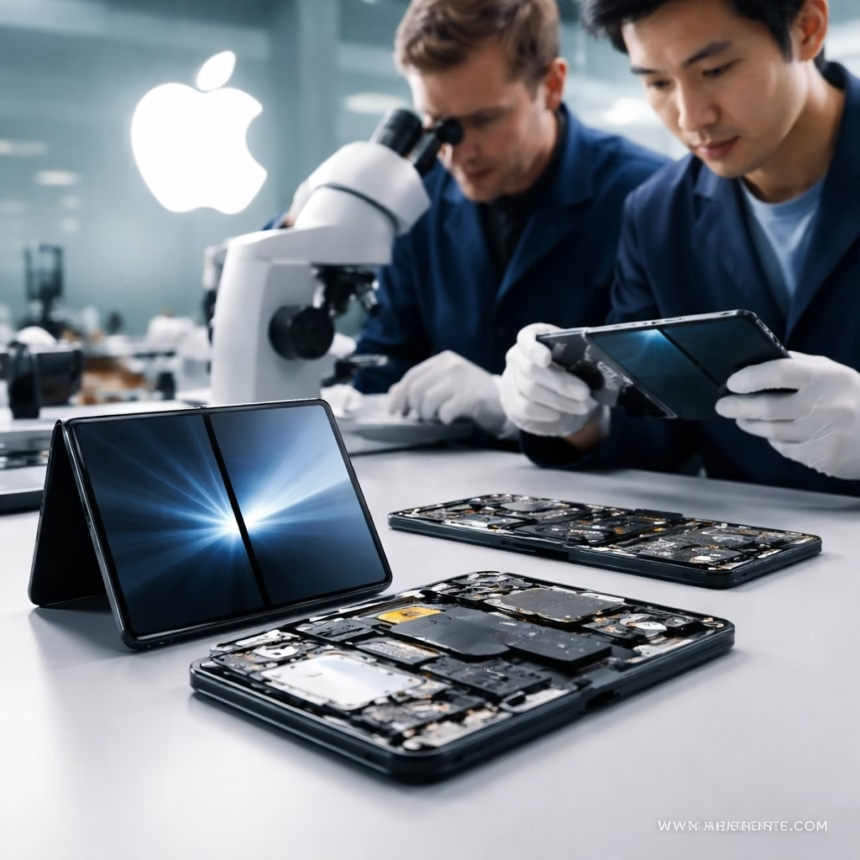
Apple Disassembles Oppo Phones to Unlock the Secret of the Crease-Free Foldable Screen
Apple Disassembles Oppo Phones to Crack the Code on Crease-Free Foldable Screens
In a surprising move, Apple has reportedly taken apart Oppo smartphones to study their foldable screen technology, aiming to eliminate the crease that plagues many current models. The disclosure comes as the tech giant prepares to enter the foldable device market, a segment dominated by Chinese manufacturers like Oppo, Huawei, and Xiaomi.
Industry insiders suggest that Apple's interest in Oppo's technology is driven by its desire to create a premium foldable iPhone that rivals the best in the market. The company has been quietly testing foldable prototypes for years, but the challenge of achieving a flawless, crease-free display has remained a hurdle.
Background: Apple’s Long-Standing Foldable Ambitions
Apple’s exploration of foldable devices dates back to at least 2017, when reports first emerged about the company experimenting with foldable displays. Over the years, the company has filed multiple patents related to flexible screens and hinge mechanisms, indicating a serious commitment to the technology.
Despite these efforts, Apple has yet to release a foldable product. The company has been cautious, likely waiting for the right moment when the technology is mature enough to meet its high standards. Meanwhile, competitors like Samsung, Huawei, and Oppo have already launched multiple generations of foldable phones, refining their designs and improving durability.
Key Developments: Apple’s Deep Dive into Oppo’s Technology
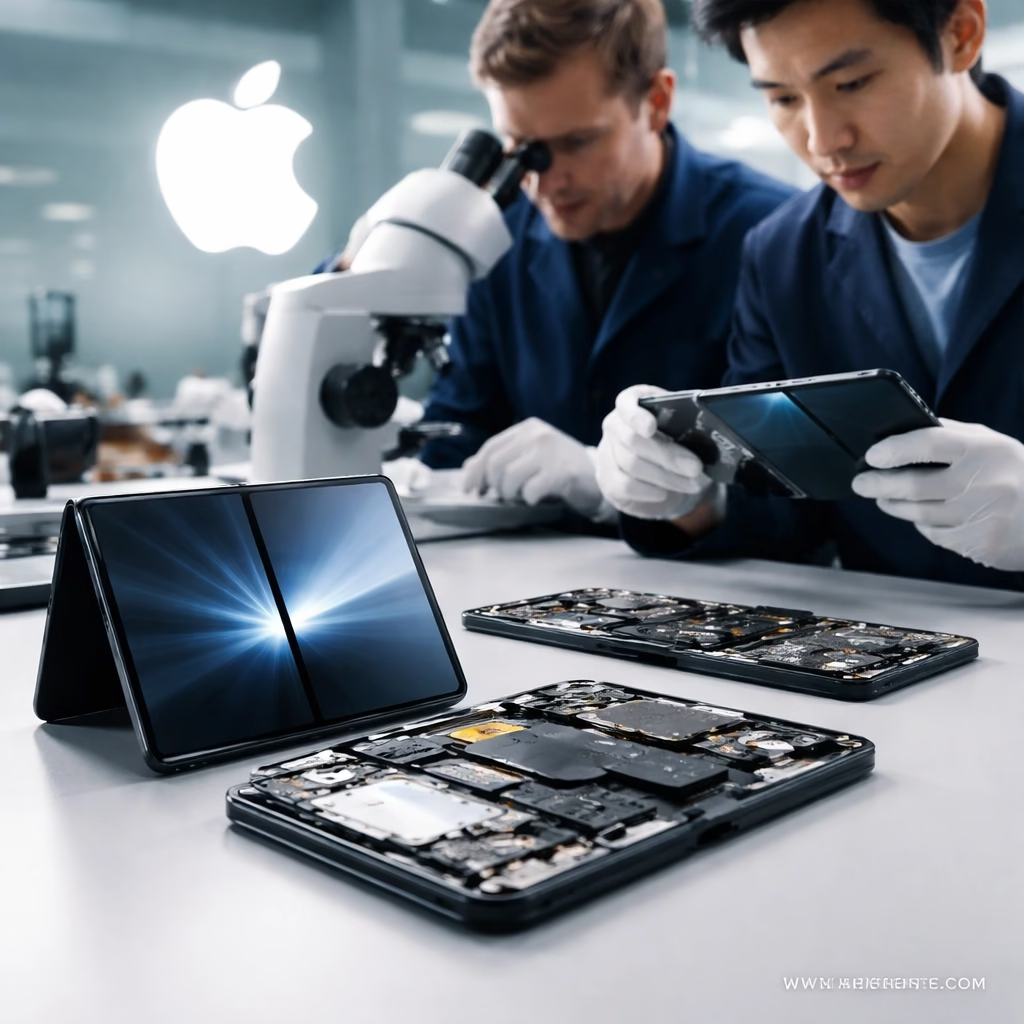
According to a new report, Apple engineers have been dissecting Oppo smartphones to analyze their foldable mechanisms. Oppo is particularly known for its Ultra X Flexfold, a foldable phone that features a near-crease-free display. Apple is believed to be studying Oppo’s hinge design, display materials, and durability testing methods to inform its own development process.

The move is unusual for Apple, which typically relies on in-house innovation rather than borrowing heavily from competitors. However, the company has previously been caught benchmarking rival products, such as Samsung’s foldable phones, to understand industry trends. This latest development suggests that Apple is accelerating its foldable plans and may be closer to a commercial release than previously thought.
Apple is also rumored to be working with LG Display and other suppliers to perfect its own foldable screen technology. The company has reportedly been testing different materials, including ultra-thin glass (UTG) and advanced polymer layers, to reduce screen creasing and improve longevity.
Impact: How Apple’s Foray Could Reshape the Foldable Market
If Apple successfully launches a foldable iPhone, it could significantly disrupt the current market landscape. The company’s entry would likely drive increased consumer interest in foldable devices, compelling other manufacturers to innovate further. It could also pressure competitors to improve their own foldable offerings, potentially leading to faster advancements in the technology.

For now, the biggest impact may be on Apple’s own ecosystem. The company has always prioritized seamless integration between its devices, and a foldable iPhone would require new software and hardware optimizations. Apple’s iOS and iPadOS would likely need significant updates to support the unique form factor, presenting both a challenge and an opportunity for developers.
What Next: When Will Apple’s Foldable iPhone Arrive?
While Apple has not confirmed any plans for a foldable iPhone, industry analysts predict that the company could launch its first foldable device as early as 2025. The timeline depends on several factors, including the progress of screen development, hinge durability, and software refinement.
Some reports suggest that Apple may initially release a foldable iPad before moving to a foldable iPhone. This approach would allow the company to test the technology in a larger form factor, where durability and screen quality are less critical than in a compact smartphone. However, any speculation remains unconfirmed, and Apple’s strategy could evolve as it continues to refine its foldable plans.
For now, consumers and industry watchers will be keeping a close eye on Apple’s next moves. The company’s deep dive into Oppo’s technology signals a major step forward, but the journey to a crease-free, premium foldable iPhone is far from over.