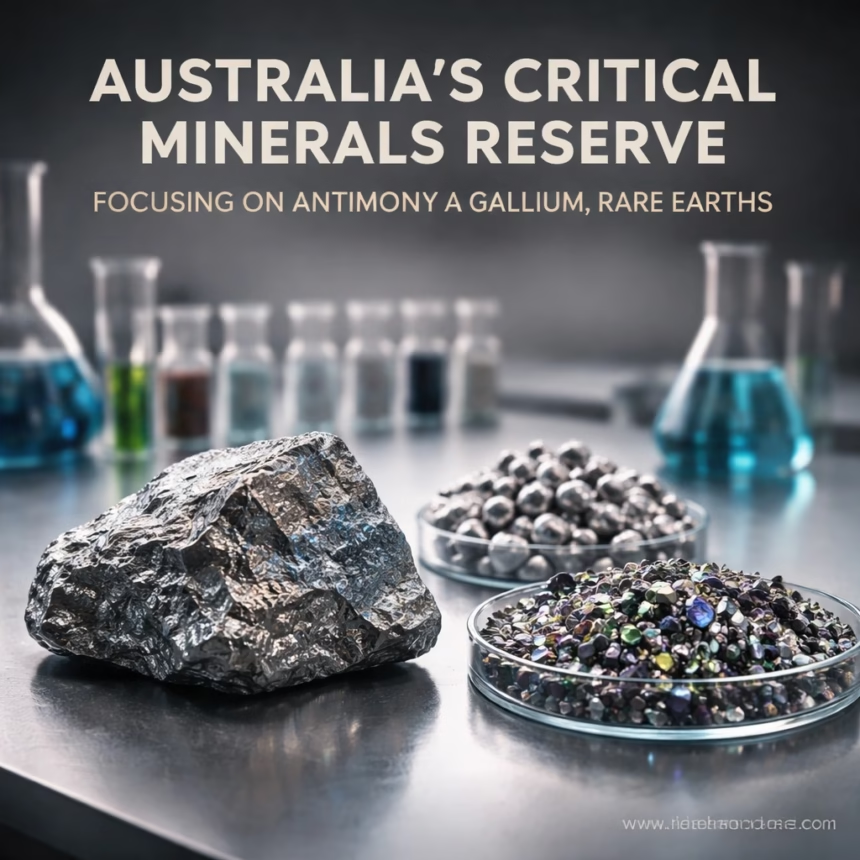
Australia’s Critical Minerals Reserve to First Focus on Antimony, Gallium, Rare Earths
Australia’s Next Big Move: Critical Minerals Reserve to Prioritize Antimony, Gallium, and Rare Earths
Australia is set to establish a new Critical Minerals Reserve, with the initial focus on securing supplies of antimony, gallium, and rare earths. The move, announced by the federal government, aims to bolster the country’s strategic resilience in key industries and reduce reliance on foreign sources for these essential materials.
The decision comes as global demand for critical minerals surges, fueled by the transition to renewable energy and clean technologies. Australia, already a major player in the minerals sector, seeks to further solidify its position in the global supply chain.
Background: Australia’s Growing Role in Critical Minerals
Australia has long been a leader in mineral resources, producing a significant portion of the world’s critical minerals. The country is the world’s largest producer of lithium, a key component in electric vehicle batteries, and a major supplier of rare earths, essential for high-tech manufacturing and defense applications.

In recent years, the government has increasingly recognized the strategic importance of these minerals. The development of the Critical Minerals Reserve is part of a broader strategy to ensure a stable and secure supply chain, particularly as geopolitical tensions and trade disruptions risk disrupting global markets.
The Rise of Antimony, Gallium, and Rare Earths
Antimony, gallium, and rare earths have emerged as critical minerals due to their indispensable roles in modern technologies. Antimony is used in flame retardants, batteries, and electronics, while gallium is a crucial element in semiconductors and solar panels. Rare earths, a group of 17 elements, are vital for magnets, electric motors, and advanced military systems.
China has dominated the global production of these minerals, raising concerns about supply chain vulnerabilities. Australia’s decision to prioritize these materials reflects a broader global effort to diversify supply sources and reduce dependence on a single country.

Key Developments: The Critical Minerals Reserve
The Critical Minerals Reserve will be established to stockpile strategic minerals, ensuring a reliable supply during disruptions. The reserve will initially focus on antimony, gallium, and rare earths, with plans to expand to other critical minerals in the future.
The government has allocated funding to support the development of the reserve, including investments in exploration, extraction, and processing facilities. The initiative is expected to create jobs and stimulate economic growth in regional communities, particularly in Western Australia and Queensland, where significant deposits of these minerals are located.
Impact: Who Stands to Benefit?
The establishment of the Critical Minerals Reserve is expected to benefit multiple sectors, including manufacturing, defense, and renewable energy. By ensuring a stable supply of these minerals, Australia can support the growth of industries that rely on advanced technologies, such as electric vehicles, solar panels, and wind turbines.
Local mining companies and workers will also benefit from increased investment in exploration and production. The government’s commitment to developing the reserve is likely to attract more private sector participation, further boosting the economy.
Geopolitical Implications
The move is part of a broader global trend to reduce reliance on China for critical minerals. By securing its own supplies, Australia can enhance its strategic autonomy and contribute to a more diversified global supply chain. This could also strengthen Australia’s position in international trade negotiations and partnerships.
What Next: Expected Milestones
The government has not yet provided a specific timeline for the establishment of the Critical Minerals Reserve, but initial steps are expected to begin in the coming months. The first phase will focus on securing supplies of antimony, gallium, and rare earths, with further minerals to be added as needed.
More Read

Future milestones may include the construction of new processing facilities, the development of exploration projects, and the establishment of partnerships with international allies to further diversify supply chains. The success of the reserve will depend on ongoing investment and collaboration between the government, industry, and research institutions.
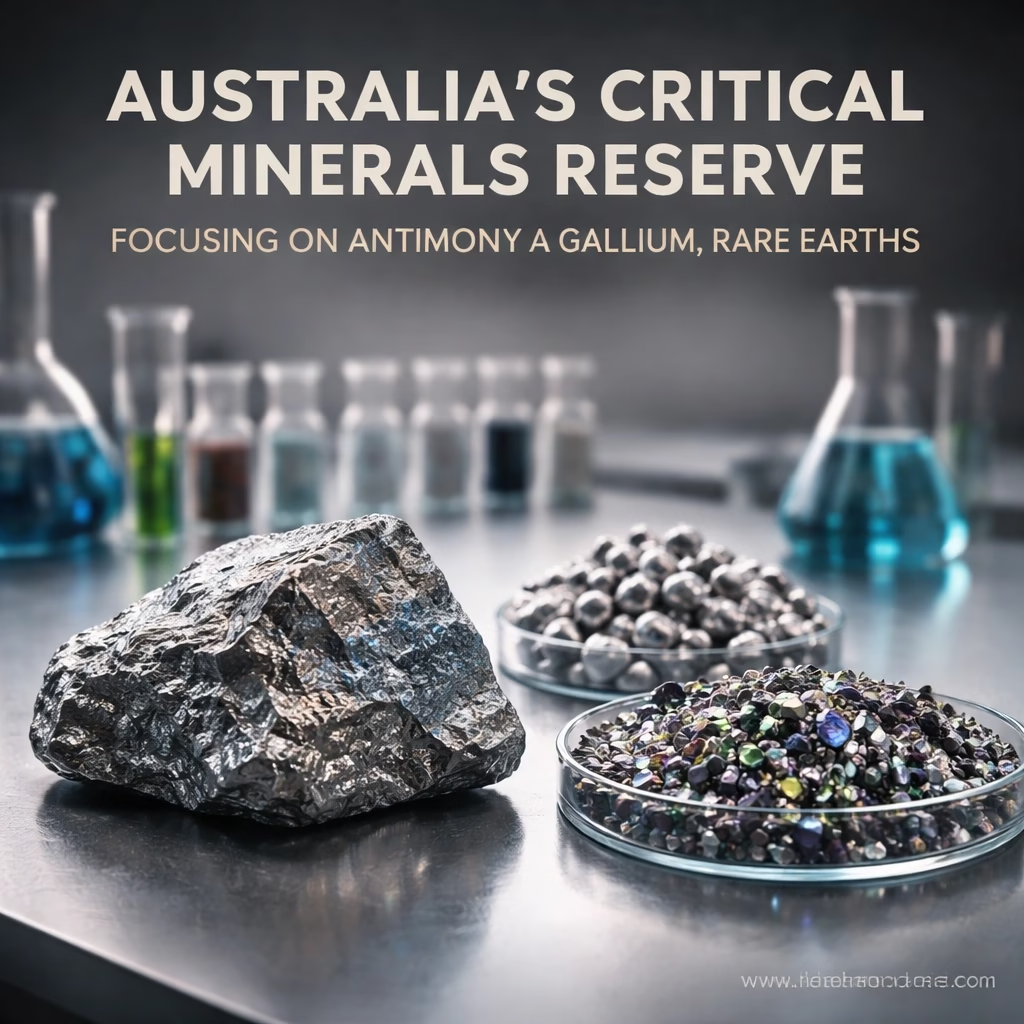
The Critical Minerals Reserve represents a significant step toward securing Australia’s future in the global minerals market. By prioritizing antimony, gallium, and rare earths, the country aims to strengthen its resilience and support the growth of critical industries. The initiative is expected to have far-reaching benefits, from job creation to geopolitical influence, as the world transitions to a more sustainable and secure energy future.