Mercosur Split: Brazil Takes Different Path on EU Deal
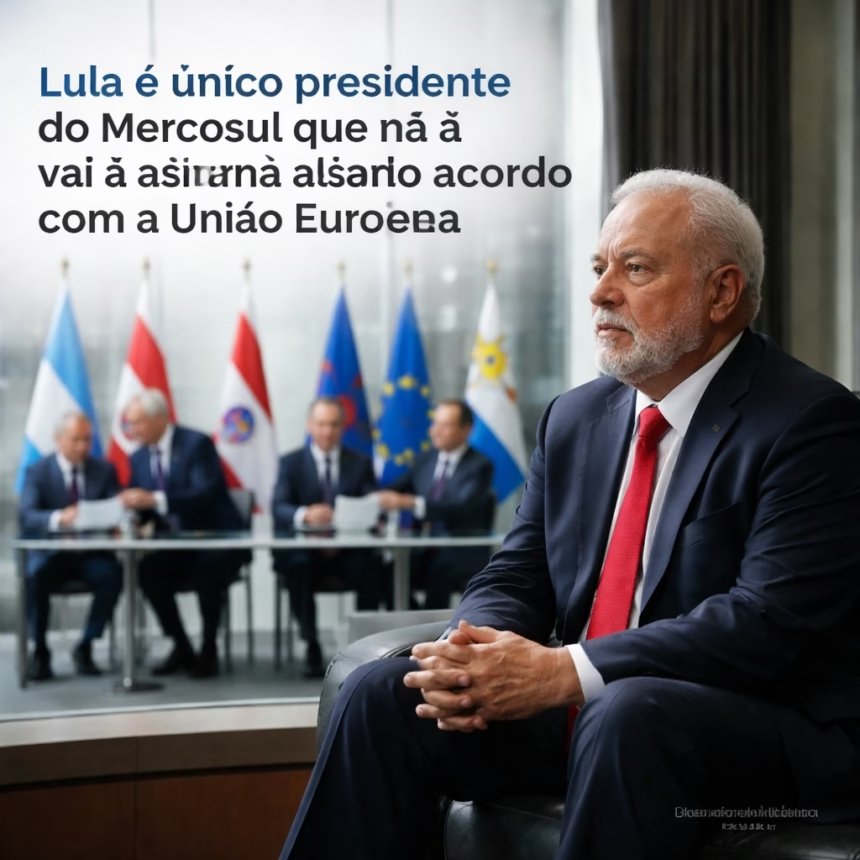
Brazil, under President Luiz Inácio Lula da Silva, will not participate in the upcoming signing ceremony of a trade agreement between the Mercosur bloc and the European Union, scheduled for December 13, 2023, in Brussels. This decision marks a significant divergence within the South American trade community and raises questions about the future direction of Mercosur.
Background
Mercosur (Southern Common Market), established in 1991 by Argentina, Brazil, Paraguay, and Uruguay, aims to promote free trade among its members. Negotiations with the European Union began in 1999, with the goal of a comprehensive trade agreement encompassing goods, services, and investment. Decades of discussions and several failed attempts culminated in a final agreement being reached in June 2023 after a renewed push from the Lula administration.
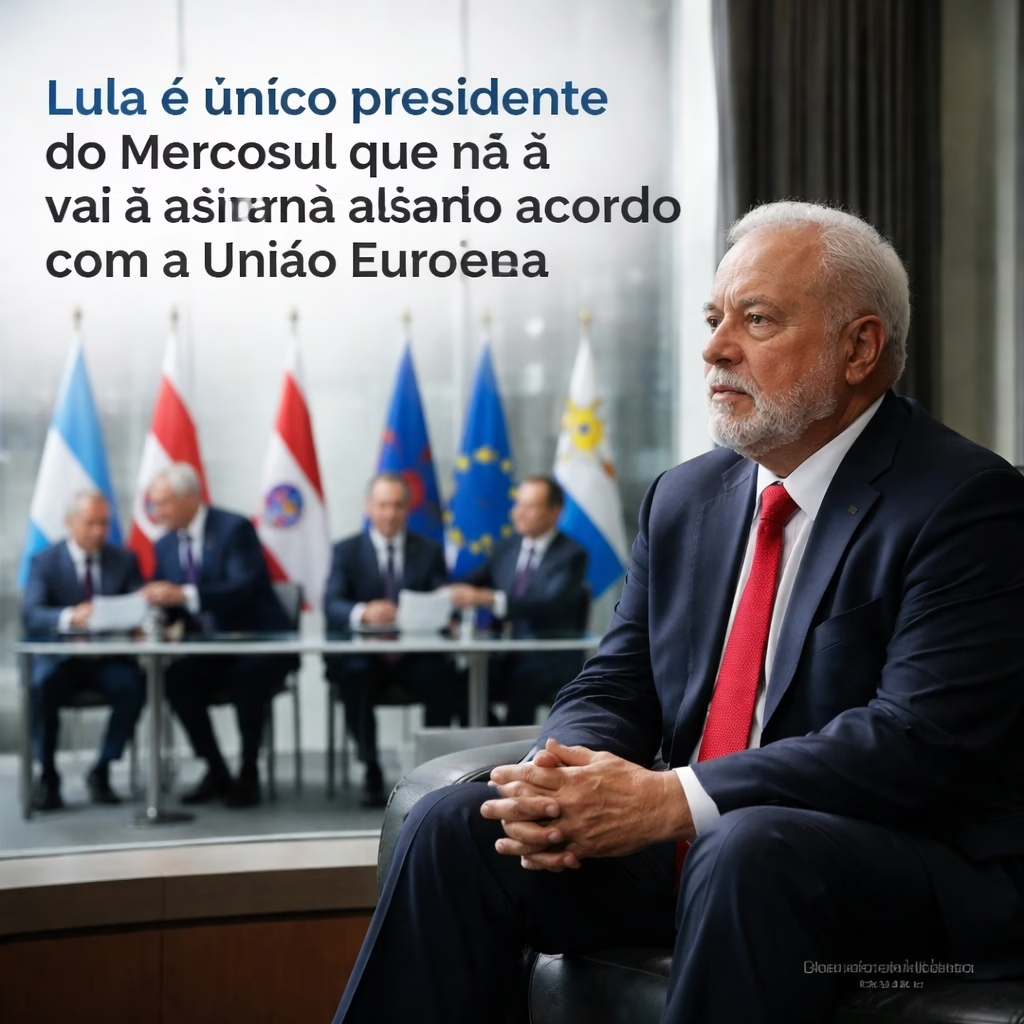
The agreement, often hailed as the largest trade deal in Mercosur’s history, promises to eliminate tariffs on a wide range of products, boost economic growth, and strengthen political ties between the bloc and the EU. It covers approximately 90% of goods traded between the two entities. Previous attempts at finalizing the deal were stalled due to disagreements among Mercosur members, particularly regarding agricultural protections and industrial subsidies.
More Read

Key Developments
While the agreement was technically finalized in June, the signing date was postponed several times. Initially slated for late 2023, logistical and political hurdles delayed the ceremony. The primary obstacle now lies with Brazil’s decision to not attend the signing. This decision, announced by the Brazilian government on November 21, 2023, has surprised many observers.
The Brazilian government cited concerns about the agreement's potential impact on domestic industries, particularly agriculture. Lula has expressed reservations about the terms related to agricultural exports, fearing that they could undermine Brazilian farmers. He stated that he prefers to review the agreement thoroughly before committing to its formal ratification.
Argentina, which has been a strong proponent of the deal, has expressed disappointment with Brazil's stance. The Argentine government views the agreement as crucial for its economic recovery and has urged Lula to reconsider his position. Presidential spokesperson Juan Orlando Bertoni emphasized the historical significance of the agreement and the potential benefits for all Mercosur members.
More Read

Impact
Brazil’s absence from the signing ceremony casts a shadow over the entire agreement. It creates uncertainty about the future implementation and effectiveness of the deal. The delayed ratification by Brazil could significantly slow down the realization of potential economic benefits for all parties involved.
The decision also highlights the internal divisions within Mercosur. While Argentina and Uruguay are eager to move forward, Paraguay has also expressed concerns about the agreement's impact on its agricultural sector. This underscores the challenges in achieving consensus among the bloc's members and ensuring that the agreement benefits all participating countries equally.
Businesses in Brazil that stand to benefit from increased exports to the EU are facing increased uncertainty. The delay in ratification creates a volatile environment for investment and trade planning. The lack of a unified front from Mercosur also weakens the bloc's negotiating power in future trade discussions.
Agricultural Sector Concerns
Brazilian agricultural producers have voiced specific concerns regarding the agreement’s potential impact on their exports, particularly in the areas of beef, soybeans, and poultry. They fear that the agreement may lead to increased competition from European producers and lower prices for their products. Brazilian agricultural organizations are lobbying the government to ensure that their interests are protected during the ratification process.
What Next
The Brazilian government has indicated that it will continue to review the agreement and seek input from various stakeholders before making a final decision on ratification. President Lula has tasked his ministers with conducting a comprehensive assessment of the agreement's potential economic and social impacts.
It is expected that the ratification process will take several months, potentially extending into 2024. The Brazilian Congress will need to approve the agreement, and the government will need to address concerns raised by domestic industries and agricultural organizations. The timeline for full implementation of the agreement will depend on the pace of the ratification process and the resolution of any outstanding issues.
More Read

Meanwhile, the EU and the remaining Mercosur members (Argentina, Uruguay, and Paraguay) are exploring options to proceed with the agreement without Brazil's full participation. This could involve a phased implementation approach or the development of separate agreements with individual Mercosur members. However, such approaches are likely to be less effective and could undermine the overall benefits of the trade deal.