Hope on the Horizon: Brazil's HIV Fight Gets a Shot of Progress
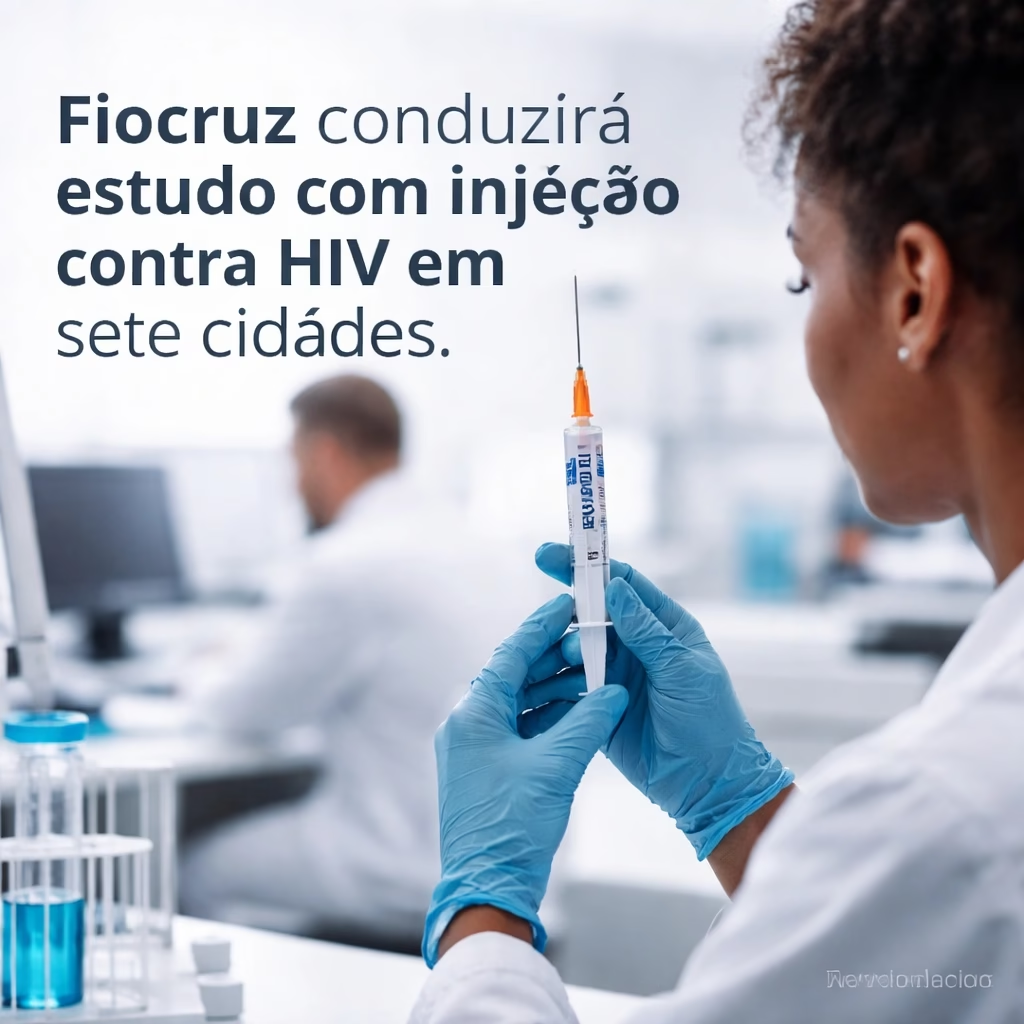
Fiocruz, Brazil's Oswaldo Cruz Foundation, is embarking on a significant clinical trial for a potential HIV vaccine. The study will be conducted across seven Brazilian cities, beginning in early 2024, offering a renewed sense of optimism in the global fight against the virus.
Background: Decades of Research and Challenges
The quest for an effective HIV vaccine has spanned decades, marked by both progress and setbacks. Since the first HIV infection was identified in the 1980s, researchers have explored various approaches, including prophylactic vaccines (aimed at prevention) and therapeutic vaccines (intended to treat existing infection). While significant advancements have been made in antiretroviral therapy (ART), which allows people with HIV to live long and healthy lives, a cure remains elusive, and prevention remains crucial.
Previous vaccine trials have yielded mixed results. The "Pädu study," conducted in South Africa between 2009 and 2013, demonstrated limited efficacy. However, research continues, drawing on lessons learned from past failures and leveraging new scientific breakthroughs.
Key Developments: A New Approach
The vaccine being tested by Fiocruz utilizes a novel approach focusing on eliciting broadly neutralizing antibodies (bnAbs). These antibodies are designed to target multiple strains of HIV, offering potentially wider protection than traditional vaccine candidates. The vaccine is based on a modified simian immunodeficiency virus (SIV) – a virus similar to HIV found in monkeys – that has been engineered to trigger a strong immune response.

The clinical trial will involve approximately 750 adult participants across the seven selected cities: São Paulo, Rio de Janeiro, Brasília, Porto Alegre, Salvador, Recife, and Manaus. Recruitment is expected to occur throughout 2023 and early 2024, with the first doses administered in early 2024.
The trial will be conducted in three phases. Phase 1 will assess safety and dosage. Phase 2 will evaluate immunogenicity (the vaccine's ability to stimulate an immune response). Phase 3, the largest phase, will determine the vaccine's efficacy in preventing HIV infection. The entire trial is projected to take several years.
Impact: Reaching Vulnerable Populations
The potential impact of a successful HIV vaccine is immense, particularly for vulnerable populations most at risk of infection. Brazil has one of the largest HIV epidemics in the world, with an estimated 5.3 million people living with HIV as of 2022. Certain communities, including young people, men who have sex with men, and key populations with higher rates of infection, are disproportionately affected.

A preventative vaccine would significantly reduce the number of new HIV infections, lessening the burden on the healthcare system and improving the overall health and well-being of individuals and communities. The trial's location in diverse regions of Brazil also holds promise for assessing the vaccine's effectiveness across different populations and HIV strains.
What Next: A Path to Potential Protection
Trial Phases and Timeline
The clinical trial is planned in three phases: safety assessment (Phase 1), immunogenicity evaluation (Phase 2), and efficacy determination (Phase 3). Each phase will involve specific protocols and data analysis to assess the vaccine’s performance.
Data Analysis and Reporting
Data collected during the trial will be rigorously analyzed by the research team and shared with the scientific community through peer-reviewed publications and presentations at international conferences. Transparency and open communication are crucial for building trust and accelerating progress.
Potential Regulatory Approval
If the trial demonstrates significant efficacy, Fiocruz will seek regulatory approval from the Brazilian Health Regulatory Agency (ANVISA) and other international health organizations, such as the World Health Organization (WHO). The approval process can take several years, involving extensive review of the data and assessment of the vaccine’s safety and effectiveness.
The results of this trial offer a glimmer of hope in the ongoing battle against HIV. While a vaccine is not a singular solution, it represents a vital tool in a comprehensive strategy to end the HIV epidemic globally. The research underscores the importance of continued investment in scientific innovation and collaborative efforts to address public health challenges.