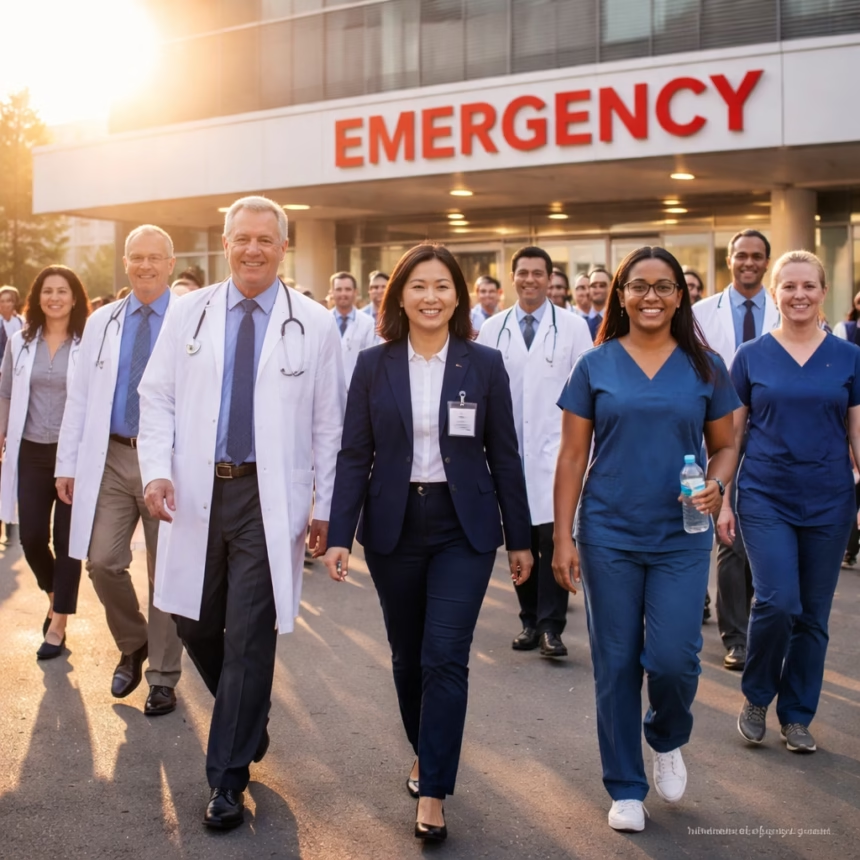
Singapore General Hospital's (SGH) Emergency Department (ED) officially transitioned to its new, purpose-built facility on Monday, April 22, 2024, marked by a symbolic early-morning walk involving staff and leadership. This significant move to the Integrated Care Campus (ICC) at Outram marks a pivotal moment in enhancing emergency medical services for Singapore's largest acute tertiary hospital, promising improved patient care and operational efficiency. The pre-dawn procession underscored a collective commitment to a new chapter in healthcare delivery.
Background: A Growing Need for Modern Facilities
The relocation of SGH’s Emergency Department culminates years of strategic planning and development aimed at modernizing healthcare infrastructure within the Outram Campus. For decades, the previous ED, housed in Block 1, served as a critical lifeline for countless patients, yet it increasingly faced the strain of an escalating patient load and the limitations of an aging structure. Designed in an era with different healthcare demands, the former department struggled with space constraints, suboptimal patient flow, and the challenges of integrating cutting-edge medical technology effectively. The daily average of over 400 patients often led to extended waiting times and operational bottlenecks, impacting both patient experience and staff morale.
The vision for a new, expanded emergency department emerged as a cornerstone of the broader Outram Campus Master Plan, a multi-billion-dollar redevelopment project initiated in the early 2010s. This ambitious plan aimed to transform the campus into a vibrant academic medical hub, equipped with advanced facilities to meet Singapore's evolving healthcare needs. The new ED was conceptualized as a critical component, designed from the ground up to address future demands, incorporate smart hospital concepts, and provide a more conducive environment for both urgent care delivery and medical education. Construction for the Integrated Care Campus, which houses the new ED, commenced in 2018, representing a significant investment in the nation's healthcare resilience and capacity.
Key Developments: A Symbolic Walk and Advanced Infrastructure
The early-morning walk, commencing at approximately 5: 00 AM, served as more than just a physical transfer; it was a deeply symbolic act for the over 200 staff members who participated. Led by SGH's senior management, including Chief Executive Officer Professor Kenneth Kwek and Head of Emergency Medicine Associate Professor Marcus Ong, the procession moved from the old Block 1 facility to the gleaming new premises within the ICC. Nurses, doctors, allied health professionals, and administrative staff walked together, carrying essential equipment and, metaphorically, the spirit of their department into its new home. This collective journey reinforced team cohesion and marked a shared commitment to the department's future mission.
The new Emergency Department is a testament to modern healthcare design and technological integration. Spanning an expansive area, it boasts a significant increase in capacity, featuring 10 new resuscitation bays, bringing the total to 25, and an additional 50 observation beds, enhancing its ability to manage high patient volumes and critical cases more effectively. The facility incorporates state-of-the-art diagnostic imaging suites, including dedicated CT scanners and X-ray rooms within the ED itself, drastically reducing the time required for critical diagnostic tests. Advanced patient monitoring systems are integrated across all bays, providing real-time data to clinical teams.
More Read

Enhanced Specialised Zones
A key feature of the new ED is its modular design, which includes dedicated zones for various types of emergencies. This includes a specialised trauma centre, equipped for immediate intervention in severe injury cases; isolation rooms with negative pressure capabilities for managing infectious diseases; and distinct areas for cardiac, stroke, and minor injury cases. These zones are designed to optimize workflow, minimize cross-contamination risks, and ensure that patients receive specialized care promptly. Larger, more private consultation rooms and family waiting areas also contribute to a more compassionate and patient-centric environment, addressing feedback from previous years.

Digital Integration and Workflow Optimisation
Beyond physical infrastructure, the new ED embraces digital transformation. A new digital patient tracking system allows staff to monitor patient progress from admission to discharge, improving transparency and reducing administrative burdens. Telemedicine capabilities have been integrated, enabling remote consultations and specialist input where appropriate. The layout itself was meticulously planned in collaboration with frontline staff to ensure intuitive navigation, reduce unnecessary movement, and optimize the delivery of care, reflecting a human-centred design approach.
More Read

Impact: Elevating Patient Care and Staff Well-being
The relocation to the new Emergency Department is poised to have a profound impact on various stakeholders, primarily enhancing the patient experience. Patients can expect significantly reduced waiting times due to increased capacity and improved operational efficiency. The dedicated specialized zones mean faster access to appropriate care, leading to quicker diagnoses and more timely interventions for critical conditions such as heart attacks and strokes. Enhanced privacy in consultation rooms and more comfortable waiting areas will also contribute to a less stressful environment during often anxious times.
For the medical and nursing staff, the new facility offers a vastly improved working environment. The spacious layout, ergonomic design, and integration of advanced technology are expected to reduce physical strain and improve workflow efficiency. Dedicated staff rest areas, better lighting, and improved ventilation are also crucial for sustaining morale and preventing burnout in a high-stress environment. The modular design facilitates better team collaboration and communication, ultimately leading to more coordinated and effective patient care. Furthermore, the new facility provides ample space for ongoing training and simulations, ensuring that staff remain at the forefront of emergency medicine practices.
Strengthening Public Health Resilience
From a broader public health perspective, the expanded and technologically advanced ED significantly strengthens Singapore's healthcare resilience. Its increased capacity allows SGH to better manage surges in patient numbers, whether from routine fluctuations, major incidents, or potential public health crises. The dedicated isolation facilities enhance the hospital's capability to contain infectious diseases, protecting both patients and healthcare workers. This strategic investment ensures that SGH, as a leading tertiary hospital, remains well-equipped to serve the nation's emergency medical needs for decades to come, contributing to national health security.
What Next: Integration and Future Milestones
The opening of the new Emergency Department marks a critical milestone, but it is just one component of the ongoing transformation of the Outram Campus. The immediate focus will be on the seamless integration of the new department into the broader SGH ecosystem and the continuous refinement of operational protocols. Post-relocation, SGH will closely monitor key performance indicators such as patient waiting times, length of stay, and patient satisfaction scores to ensure the new facility lives up to its promise. Feedback mechanisms will be established to gather input from both patients and staff, allowing for agile adjustments and continuous improvement.
Looking ahead, the Integrated Care Campus (ICC) itself is a multi-phase project. Future developments within the ICC will see the integration of other clinical services, outpatient facilities, and research centres, fostering a more holistic and interdisciplinary approach to patient care. The proximity of the new ED to other critical departments, such as operating theatres and intensive care units, will further streamline patient transfers and care pathways. SGH is also committed to leveraging the new facility for academic medicine, expanding its role in medical education and research. The enhanced environment will provide richer opportunities for training future generations of healthcare professionals and advancing emergency medical science.
The long-term vision for the Outram Campus involves creating a truly integrated health precinct where clinical care, research, and education converge. The new Emergency Department stands as a beacon of this future, embodying a commitment to innovation, patient-centricity, and preparedness for Singapore's evolving healthcare landscape. Its successful relocation signals a vibrant new chapter for SGH and for emergency medical care in the region.