Iran Grants Conditional Amnesty to Protesters Amidst Ongoing Unrest
Iranian authorities have announced a three-day grace period for protesters to turn themselves in and receive amnesty, following weeks of widespread demonstrations across the country. The offer, announced on September 22, 2023, aims to quell the ongoing unrest sparked by the death of Mahsa Amini in September 2022, but comes with specific stipulations.
Background: A Spark Ignites a Nation
Protests in Iran began in September 2022 after the death of Mahsa Amini, a 22-year-old Kurdish woman who died in police custody while being detained for allegedly violating the country’s strict dress code for women. Amini’s death triggered widespread outrage and sparked demonstrations across Iran, initially focused on her death but rapidly expanding to encompass broader grievances about the government's social restrictions, economic hardship, and political freedoms. These protests are the largest the country has seen in years.
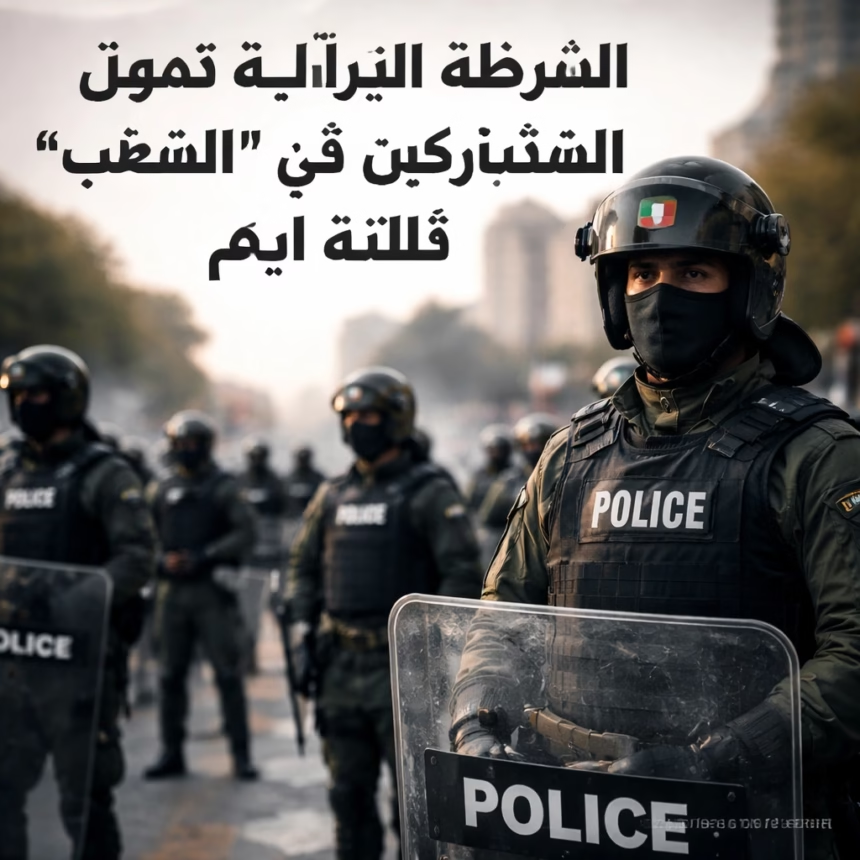
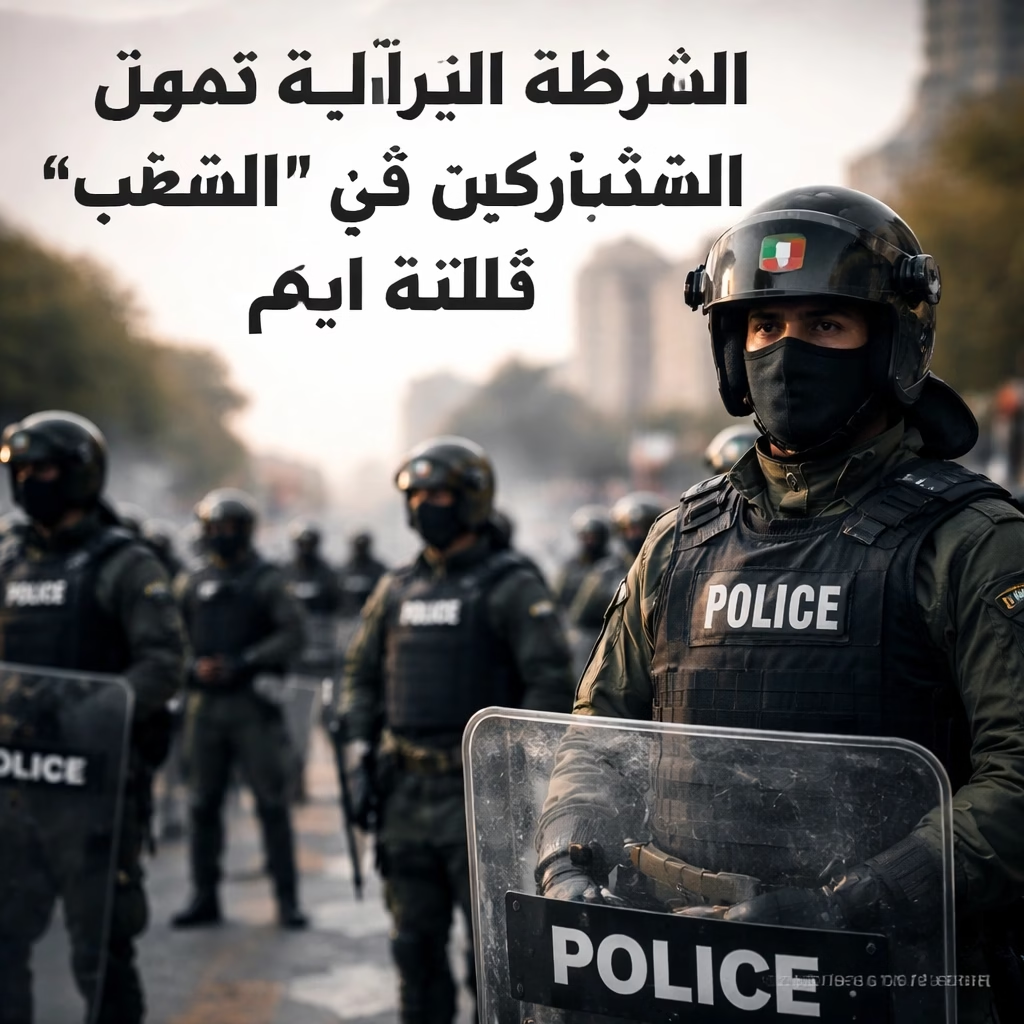
The government's response has been forceful, involving arrests, detentions, and, according to human rights organizations, excessive use of force against protesters. Reports from various sources, including Amnesty International and Human Rights Watch, detail widespread abuse, including beatings, torture, and sexual assault of protestors by security forces.

Key Developments: Amnesty Offer and Conditions
The announcement of the amnesty offer came on September 22, 2023, during a televised address by Iranian judiciary chief Gholamhossein Mohseni Ejei. He stated that protesters who surrender within a three-day period will be granted amnesty for any crimes they may have committed during the unrest. However, the amnesty is not unconditional.
The offer excludes individuals accused of serious offenses such as armed rebellion, murder, and terrorism. Furthermore, those with prior criminal records will not be eligible for the amnesty. This limitation has drawn criticism from human rights advocates, who argue it effectively excludes many protesters.
The Iranian government has also increased security presence in several cities, including Tehran, Isfahan, and Shiraz, in anticipation of potential further demonstrations. Reports indicate roadblocks and heightened patrols in certain areas.

Impact: A Divided Nation
The amnesty offer has been met with mixed reactions. While some protesters may see it as an opportunity to end their involvement in the unrest and avoid prosecution, many remain skeptical, viewing it as a tactic by the government to suppress dissent and consolidate power. The offer does not address the underlying grievances fueling the protests.
Families of those killed or arrested during the protests have expressed concerns that the amnesty will not lead to justice for their loved ones. Many demand accountability for the actions of security forces and a thorough investigation into allegations of human rights abuses.
The economic impact of the protests has been significant, with many businesses suffering from closures and disruptions. International sanctions, already in place against Iran, have further exacerbated economic challenges.
What Next: Uncertainty Remains
The effectiveness of the amnesty remains uncertain. It's unclear how many protesters will accept the offer and how the government will handle those who do not. The underlying issues that sparked the protests – economic hardship, social restrictions, and political repression – remain unresolved.
Potential Scenarios
One possible scenario is a gradual decrease in protests if a significant number of individuals accept the amnesty. However, if the government fails to address the underlying grievances, further unrest is possible. Another scenario involves a hardening of the government's stance, with increased crackdowns on dissent.
International Response
International reactions to the amnesty have been cautious. Several countries have called for a peaceful resolution to the crisis and urged the Iranian government to respect human rights. The United States and European Union have reiterated their support for the Iranian people's right to protest and have condemned the government's use of force.
More Read

The situation in Iran remains fluid and unpredictable. The coming days will be crucial in determining the future course of the protests and the overall political landscape of the country.