Global Crossroads: Davos Faces Existential Test for International Order
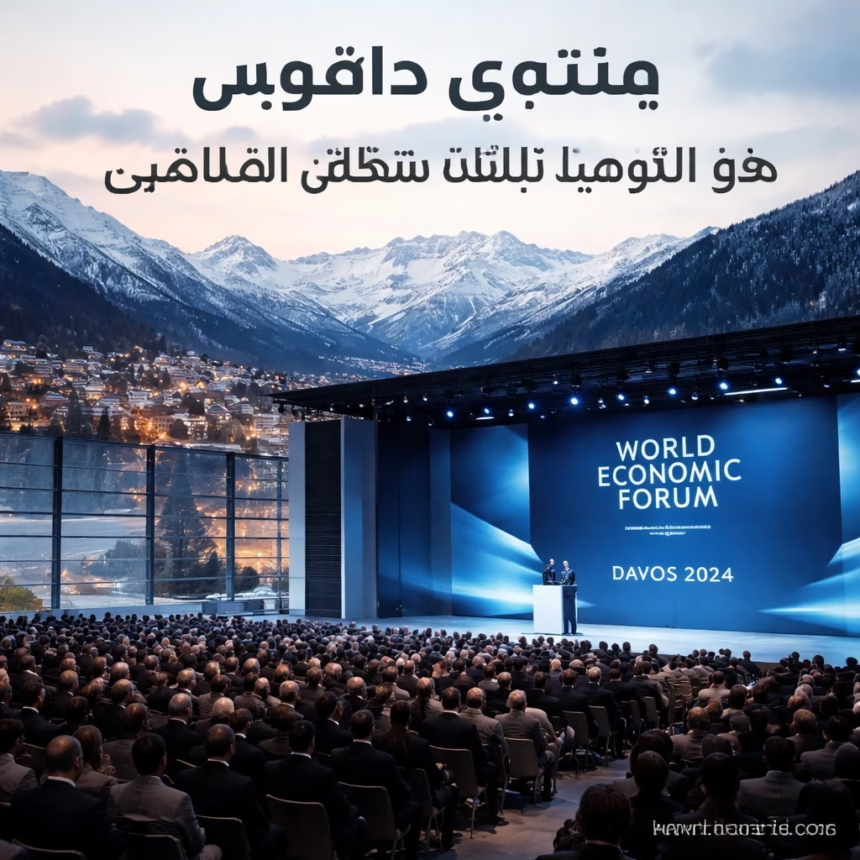
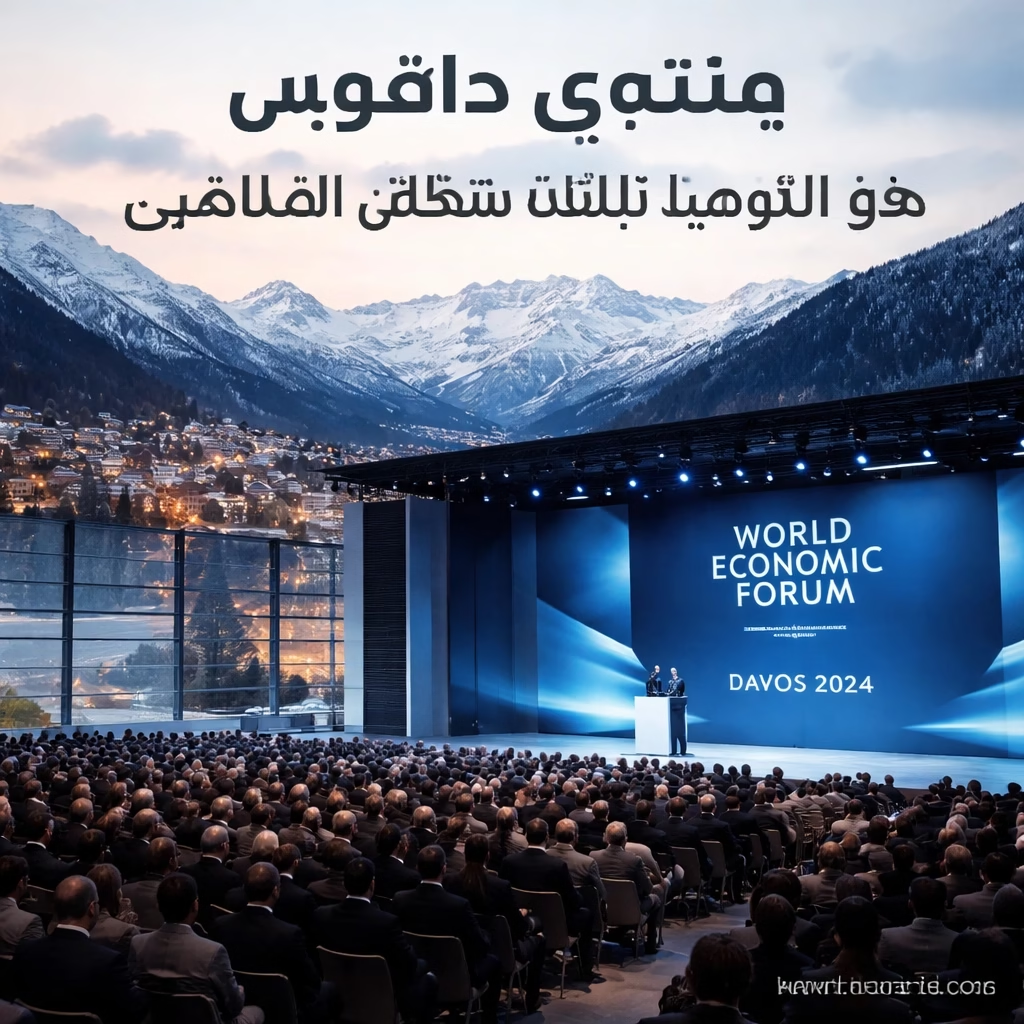
The World Economic Forum (WEF) annual meeting in Davos, Switzerland, convened from January 15-19, 2024, amidst a backdrop of escalating geopolitical tensions and economic uncertainty. The forum, a gathering of global leaders, business executives, and policymakers, is being framed by some as a critical juncture for the future of the international system.
A History of Dialogue and Debate
Founded in 1971 by Klaus Schwab, the World Economic Forum initially focused on international trade. Over the decades, its scope has broadened significantly to encompass a vast array of global challenges, including climate change, economic inequality, technological disruption, and global health crises. Davos has historically served as a platform for dialogue, networking, and, at times, contentious debate among influential figures. The forum’s influence extends beyond its meetings, shaping policy discussions and influencing global agendas.
Following the 2008 financial crisis, the WEF gained prominence as a forum for coordinating global responses to economic instability. The COVID-19 pandemic further amplified its role, with the forum facilitating discussions on vaccine distribution, economic recovery, and pandemic preparedness. However, recent years have seen increasing skepticism about the WEF’s effectiveness and influence, particularly in light of rising nationalism and geopolitical fragmentation.
Shifting Sands: Recent Developments
This year’s Davos meeting unfolded against a volatile global landscape. The ongoing war in Ukraine, the intensifying competition between the United States and China, and rising inflationary pressures dominated discussions. Concerns about energy security, food shortages, and the potential for a global recession were prominent themes.

A key focus was on the need for greater international cooperation to address these multifaceted challenges. Leaders discussed potential solutions for stabilizing global supply chains, mitigating climate change, and ensuring equitable access to resources. However, significant disagreements persisted on approaches to these issues, reflecting deep divisions among nations. The discussion on the future of the transatlantic alliance, strained by the war and differing strategic priorities, was particularly noteworthy.
Furthermore, the rapid advancements in artificial intelligence (AI) were a central topic. Discussions revolved around the potential benefits and risks of AI, including its impact on employment, economic growth, and national security. Several participants emphasized the need for international regulatory frameworks to govern the development and deployment of AI technologies.
Ripple Effects: Who Feels the Impact?
The decisions and discussions emerging from Davos have far-reaching consequences for a wide range of stakeholders. Businesses face uncertainty regarding global trade policies, investment climates, and regulatory environments. Governments grapple with economic challenges, geopolitical risks, and the need to address pressing social issues.

Developing nations are particularly vulnerable to the impacts of global instability. Rising food and energy prices, coupled with the effects of climate change, threaten food security and economic development. The ongoing geopolitical tensions also exacerbate these vulnerabilities, disrupting trade routes and investment flows. Small island developing states, in particular, are facing existential threats from rising sea levels and extreme weather events.
The global workforce is also affected. The rapid pace of technological change, including AI, is transforming the nature of work, creating both new opportunities and potential displacement. Governments and businesses must invest in education and training to prepare workers for the jobs of the future.
Looking Ahead: What to Expect
Geopolitical Realignment
A critical outcome of Davos will likely be a clearer indication of the evolving geopolitical landscape. The meeting will provide insights into the shifting alliances and power dynamics between major nations, particularly the United States, China, and Russia.
Policy Initiatives
Several policy initiatives and commitments are expected to emerge from the forum. These may include agreements on climate action, trade liberalization, and investment in infrastructure. However, the implementation of these initiatives will depend on the willingness of governments to cooperate and overcome political obstacles.
Increased Scrutiny
The WEF and its role in shaping global policy are facing increasing scrutiny. Critics argue that the forum is dominated by corporate interests and lacks transparency. The coming months will likely see continued debate about the WEF’s influence and accountability.
More Read

The long-term impact of Davos 2024 remains to be seen. However, the meeting’s outcome will undoubtedly shape the trajectory of the global economy and international relations in the years to come. Whether it represents a turning point towards greater cooperation or a further descent into fragmentation will depend on the choices made by global leaders in the wake of the forum.