Silent Threat: Why Lung Cancer is Hitting Non-Smokers
Lung cancer, traditionally linked to smoking, is increasingly impacting individuals who have never touched a cigarette. This shift, observed globally since the early 2000s, is prompting urgent research and re-evaluation of risk factors. The rise is particularly noticeable in developed nations like the United States and Europe.
Background: A Changing Landscape
For decades, smoking was the undisputed primary cause of lung cancer. Beginning in the mid-20th century, lung cancer rates in many countries correlated strongly with the widespread adoption of tobacco use. However, starting around the year 2000, a concerning trend emerged: lung cancer incidence began to rise even among non-smokers.
This shift wasn’t immediate. Initial increases were relatively small, but over the past two decades – from 2000 to 2020 – the number of lung cancer cases in never-smokers has grown at a faster rate than in smokers in several regions. This trend is a significant departure from historical patterns and warrants intense investigation.

Key Developments: Unraveling the Causes
Researchers have identified several key factors contributing to this rise. One major culprit is exposure to Radon, a naturally occurring radioactive gas found in soil and rock. The Environmental Protection Agency (EPA) estimates that radon is the second leading cause of lung cancer in the United States, responsible for approximately 15,000 lung cancer deaths annually.
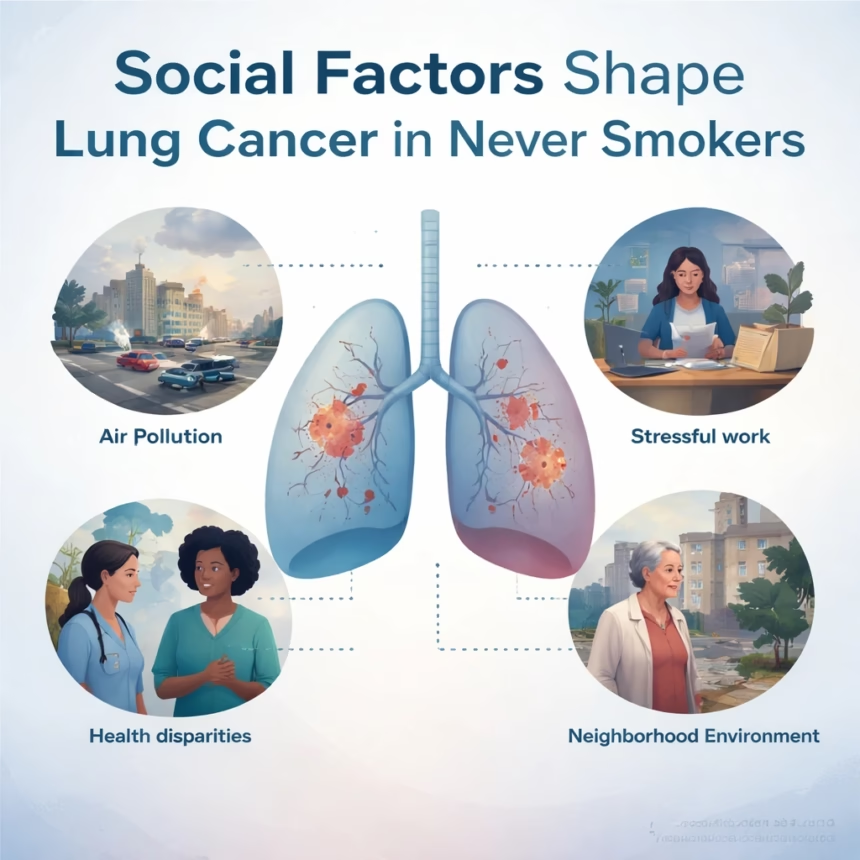
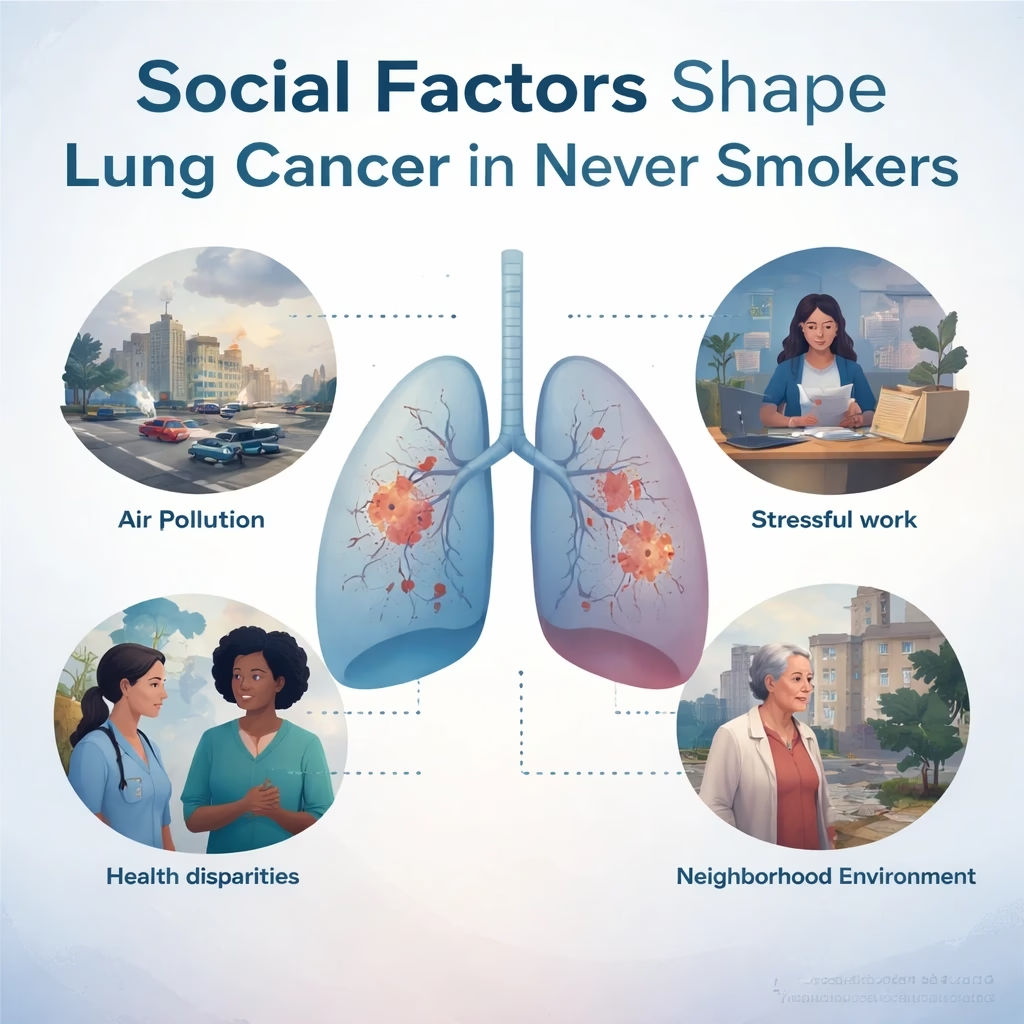
Another significant factor is air pollution, particularly particulate matter from vehicle emissions, industrial activity, and wildfires. Studies published in the *Journal of the American Medical Association* have linked long-term exposure to fine particulate matter (PM2.5) with an increased risk of lung cancer, even in non-smokers. Major cities like Delhi, India, and Beijing, China, where air pollution levels are consistently high, have seen a corresponding increase in non-smoking lung cancer cases.
Genetic predisposition is also playing a role. Individuals with certain gene mutations may be more susceptible to lung cancer development when exposed to environmental carcinogens. Research is ongoing to identify these genetic markers and understand their interaction with environmental factors.

HPV and Lung Cancer
Emerging research suggests a potential link between human papillomavirus (HPV) infection and lung cancer, although this connection is still being explored. HPV is commonly associated with cancers of the cervix, vagina, and anus, but some studies point to a possible role in lung cancer development, particularly in individuals with pre-existing lung conditions.
Impact: Who is at Risk?
The rise in lung cancer among non-smokers affects a broad demographic. While older adults are still at higher risk, cases are increasingly being diagnosed in younger individuals, sometimes as young as their 40s and 50s. This is particularly concerning as younger individuals often have fewer treatment options and poorer prognoses.
Geographic variations in risk are also apparent. Countries with higher levels of air pollution, greater radon exposure, and specific genetic predispositions are seeing disproportionately higher rates of lung cancer in non-smokers. Furthermore, certain occupational exposures, such as working in mining or construction, have been linked to increased risk.
What Next: Future Directions
Ongoing research focuses on understanding the complex interplay of factors driving this trend. This includes larger epidemiological studies to pinpoint specific environmental exposures and genetic markers associated with non-smoking lung cancer.
Improved screening methods are also being developed. While low-dose CT scans are currently the standard screening tool for high-risk individuals (primarily smokers), researchers are investigating their effectiveness in identifying early lung cancer in non-smokers. The National Lung Screening Trial (NLST), completed in 2011, demonstrated the benefits of low-dose CT screening for smokers. However, studies are underway to determine if similar benefits extend to high-risk non-smokers.
Public health initiatives are crucial. These involve reducing air pollution, promoting radon mitigation measures in homes, and raising awareness about the risks associated with environmental carcinogens. Targeted interventions for individuals with identified genetic predispositions could also play a role in prevention and early detection.
More Read

Early Detection Strategies
Current research explores the potential of biomarkers – measurable substances in blood or other bodily fluids – to detect lung cancer at its earliest stages, even before symptoms appear. These biomarkers could enable earlier intervention and improve treatment outcomes.