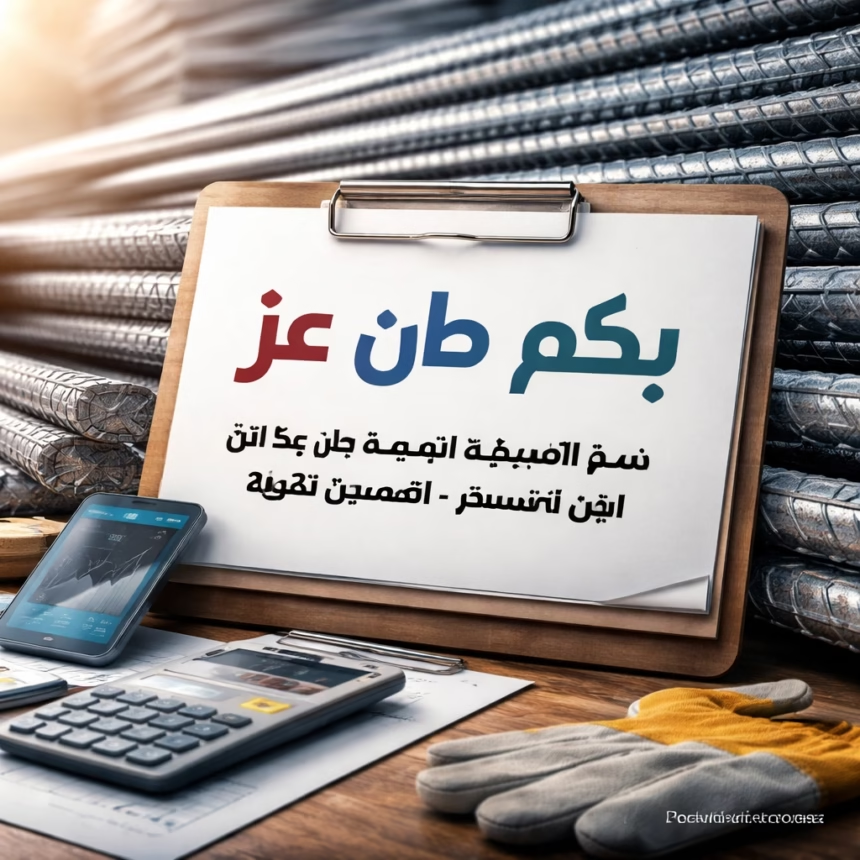
Steel Price Surge: Will Construction Costs Skyrocket?
Cairo, Egypt – January 24, 2026 – The Egyptian steel market is experiencing a notable price increase this week, impacting construction projects nationwide. Today, Saturday, January 24th, 2026, manufacturers reported a rise in the price of steel, sparking concerns about potential increases in building costs.
Background: A Look at the Steel Industry in Egypt
Egypt's steel industry is a vital component of the national economy, contributing significantly to infrastructure development and construction. The industry has seen fluctuations in recent years, influenced by global commodity prices, local demand, and government policies. The sector relies heavily on iron ore imports, with major producers like صافي للصلب (Safi Steel), فالكون للصلب (Falcon Steel), and الجحديد (Al-Hadid) dominating the market. The government has, in the past, implemented measures to regulate steel prices, but market forces continue to play a significant role.
Historically, steel prices in Egypt have been subject to periodic adjustments, often coinciding with global steel market trends and changes in the cost of raw materials, particularly iron ore and scrap metal. The industry has also faced challenges related to energy costs and logistical expenses. The past decade has witnessed a significant expansion in infrastructure projects, driving up steel demand.
More Read

Key Developments: Price Increases and Market Dynamics
According to reports from مصنع الجحديد (Al-Hadid) and other leading steel manufacturers, the price of rebar (reinforcing bar), a key component in construction, has increased by an average of 3% this week. The price at the factory gate is now hovering around 7,500 EGP per ton, a significant jump from the 7,200 EGP recorded in early January. This increase is attributed primarily to rising iron ore prices on the global market and increased demand from the construction sector.
Furthermore, supply chain disruptions, although less severe than in the past, are contributing to the upward pressure on prices. Increased shipping costs and delays in the delivery of raw materials have also played a role. Some smaller steel merchants are reportedly adding a further 5% markup to the factory price, resulting in a final price for consumers that is even higher.
Impact: Construction Sector Brace for Higher Costs
The rising steel prices are expected to have a ripple effect throughout the construction sector. Developers and contractors are bracing for higher project costs, which could translate into increased prices for housing, commercial buildings, and infrastructure projects. This is particularly concerning for projects that are already facing cost pressures due to inflation and currency fluctuations.

Smaller construction companies and individual homeowners are likely to be disproportionately affected. The increased cost of materials could make it more difficult for them to undertake new projects or complete existing ones. Some projects may be put on hold or scaled back in response to the rising costs.
What Next: Future Outlook and Potential Government Intervention
Analysts predict that steel prices are likely to remain elevated in the short term, influenced by ongoing global supply chain issues and sustained demand from the construction sector. The price may continue to climb until iron ore prices stabilize or global supply chain bottlenecks ease.
Government Response and Potential Measures
The Ministry of Planning and Investment is reportedly monitoring the situation closely. There is speculation that the government might consider intervening to stabilize prices, perhaps through measures such as subsidizing raw materials or regulating import tariffs. However, such interventions are often controversial and can distort market dynamics.
Long-Term Trends
Looking ahead, the long-term outlook for the Egyptian steel industry remains positive, driven by ongoing infrastructure development plans, including the expansion of the Suez Canal and the development of new cities. Increased investment in the construction sector is expected to support demand for steel in the years to come. The government's focus on promoting local steel production through initiatives like the "Made in Egypt" campaign could also help to stabilize prices and reduce reliance on imports.
The next few weeks will be crucial in determining the future trajectory of steel prices in Egypt. Market participants will be closely watching global commodity markets and government policy announcements for further clues.