Luxury Thobes Soar: Prices Reach Unprecedented Heights in Saudi Arabia
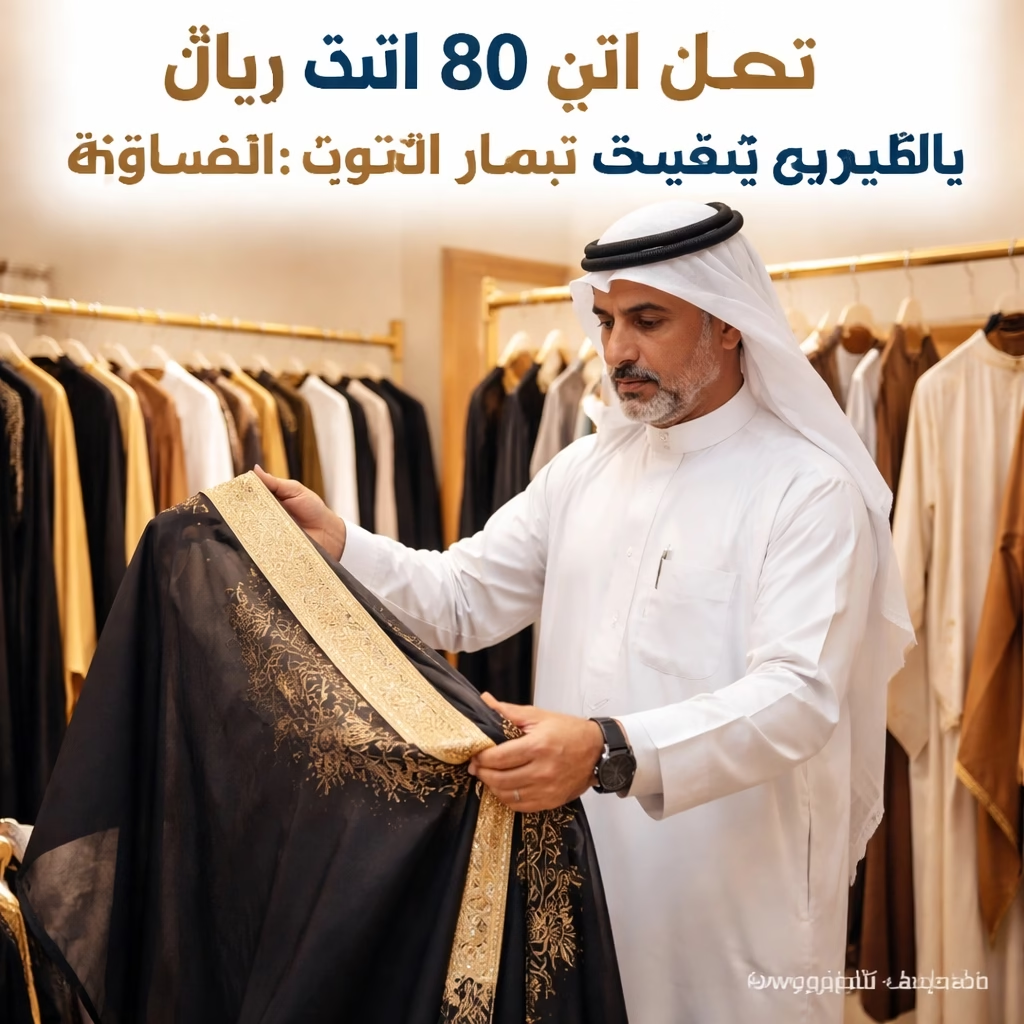
The traditional Saudi thobe, a cornerstone of the region's cultural identity, is experiencing a dramatic price surge. A local investor has revealed that premium "Hasaweya" thobes are now fetching prices as high as 80,000 Saudi Riyals, sparking discussion about the luxury market and craftsmanship. The trend is particularly prominent in Riyadh and Jeddah.
A Tradition Reimagined: The History of Hasaweya Thobes
The Hasaweya thobe boasts a rich history, originating from the Al-Hasa region in eastern Saudi Arabia. Traditionally, these thobes were crafted from the finest silk and adorned with intricate embroidery, reflecting the wearer's status and heritage. The weaving process is highly specialized, passed down through generations of artisans. Historically, the price point was significantly lower, accessible to a broader segment of the population. However, recent years have witnessed a renewed interest in preserving and elevating this cultural garment.
The resurgence began in the early 2010s, driven by a growing appreciation for authentic Saudi craftsmanship and a desire to showcase national heritage. Several workshops and designers started focusing on high-end, bespoke thobes, incorporating innovative designs and premium materials. This shift from mass-produced garments to handcrafted luxury items paved the way for the current price escalation.
More Read

The Price Hike: Factors Driving the Surge
Several factors are contributing to the unprecedented price increases. The primary driver is the use of exceptionally rare and expensive materials. These include silk sourced from specific regions known for its superior quality, as well as precious metals like gold and silver used in embroidery. The intricate embroidery itself is incredibly time-consuming, often taking months to complete by highly skilled artisans.
Furthermore, the increasing demand from wealthy collectors and individuals seeking unique status symbols is fueling the price growth. The limited availability of these bespoke thobes further contributes to their high value. The COVID-19 pandemic also played a role, with increased disposable income for some segments of society leading to greater spending on luxury goods, including traditional attire.
Recent years have also seen a trend toward personalized designs. Clients are increasingly commissioning thobes with unique motifs, family crests, or even incorporating elements of modern art. This customization adds to the complexity and cost of production.

Who’s Paying the Premium? The Impact on Consumers
The high prices of Hasaweya thobes primarily affect affluent individuals and collectors. These are often high-net-worth individuals, royalty, and prominent figures who are willing to invest in exclusive, handcrafted items. The price range extends beyond 80,000 Riyals, with some exceptionally elaborate pieces reaching upwards of 150,000 Riyals or more.
While the price point is prohibitive for most, it has stimulated a secondary market for vintage and pre-owned Hasaweya thobes. These offer a more accessible entry point for those interested in owning a piece of Saudi cultural heritage, though even these can command significant prices depending on their condition and rarity.
The price surge has also led to increased competition among artisans and workshops, pushing them to continuously innovate and improve their craftsmanship to justify the high prices.
Looking Ahead: The Future of the Hasaweya Thobe
Experts predict that the trend of high-end thobe craftsmanship will continue, although the price escalation may moderate somewhat. The focus will likely remain on preserving traditional techniques while incorporating modern design elements.
Government Initiatives
The Saudi government’s Vision 2030 plan emphasizes the importance of preserving and promoting Saudi culture. Initiatives aimed at supporting local artisans and promoting heritage tourism could further boost the thobe market. Investment in training programs for young artisans is also crucial to ensure the continuation of these traditional skills.
Sustainability and Ethical Sourcing
There is a growing awareness of the importance of sustainable and ethical sourcing of materials. Artisans are increasingly exploring options for using eco-friendly dyes and responsibly sourced silk. This trend is likely to influence consumer preferences and drive further innovation in the industry.

Global Recognition
Efforts are underway to promote the Hasaweya thobe on the international stage. Participation in fashion shows and collaborations with international designers could help raise awareness and increase demand for these exquisite garments globally. This could lead to a wider market for Saudi craftsmanship and further solidify the thobe’s position as a symbol of cultural pride.