Election Showdown: Who's Winning the Final Stretch?
Thailand's upcoming general election, slated for May 14, 2024, is entering its critical final phase. The political landscape is shifting rapidly as parties intensify their campaigns and voters weigh their options, making the next few weeks pivotal in determining the country's future direction.
The Road to the Ballot Box: A Brief History
The current political climate stems from the 2023 general election where no single party secured a majority. This resulted in complex coalition negotiations and the formation of the current government led by Prime Minister Srettha Thavisin of the Pheu Thai Party. The upcoming election represents a fresh opportunity for voters to express their preferences and potentially reshape the political power dynamic. Key parties vying for power include Pheu Thai, the Move Forward Party, the Democrat Party, and the United Thai Nation Party.
Shifting Sands: Recent Developments
The past few weeks have witnessed significant shifts in public opinion and campaign strategies. The Move Forward Party, known for its progressive platform and popular among younger voters, has faced scrutiny and challenges to its legitimacy, particularly concerning its stance on amending the lese-majeste law. Meanwhile, Pheu Thai has focused on economic promises and appealing to a broader base of support. Recent opinion polls, conducted by various institutions including the National Institute for Development and Research (NIDR), show fluctuating support levels, with no clear frontrunner emerging.
The United Thai Nation Party, led by Pita Limjaroenrat, who previously spearheaded the Move Forward Party’s coalition attempt, continues to campaign with a focus on national unity and stability. Their messaging often highlights concerns about economic uncertainty and social divisions. Campaign rallies across major cities like Bangkok, Chiang Mai, and Phuket have been well-attended, showcasing the intensity of the race.

Key Policy Debates
Several policy issues are dominating the debate. These include economic recovery efforts, addressing income inequality, reforms to the constitution, and the future of the monarchy. The Move Forward Party’s proposals for electoral reform and a more accountable government have sparked considerable discussion, while Pheu Thai emphasizes pragmatic solutions for immediate economic challenges.
Ripple Effects: Who’s Listening?
The outcome of the election will profoundly impact all segments of Thai society. Businesses will closely monitor the results, as government policies will influence investment decisions and economic growth. Voters, particularly young people and marginalized communities, are keenly interested in policies related to education, healthcare, and social welfare. The result will also influence Thailand's regional and international relations.
The tourism sector, a vital contributor to the Thai economy, will be affected by the government’s approach to infrastructure development and national security. Farmers and agricultural workers will be particularly attentive to policies concerning agricultural subsidies and land rights. The election’s outcome will shape the country’s trajectory for years to come.

Looking Ahead: What to Expect
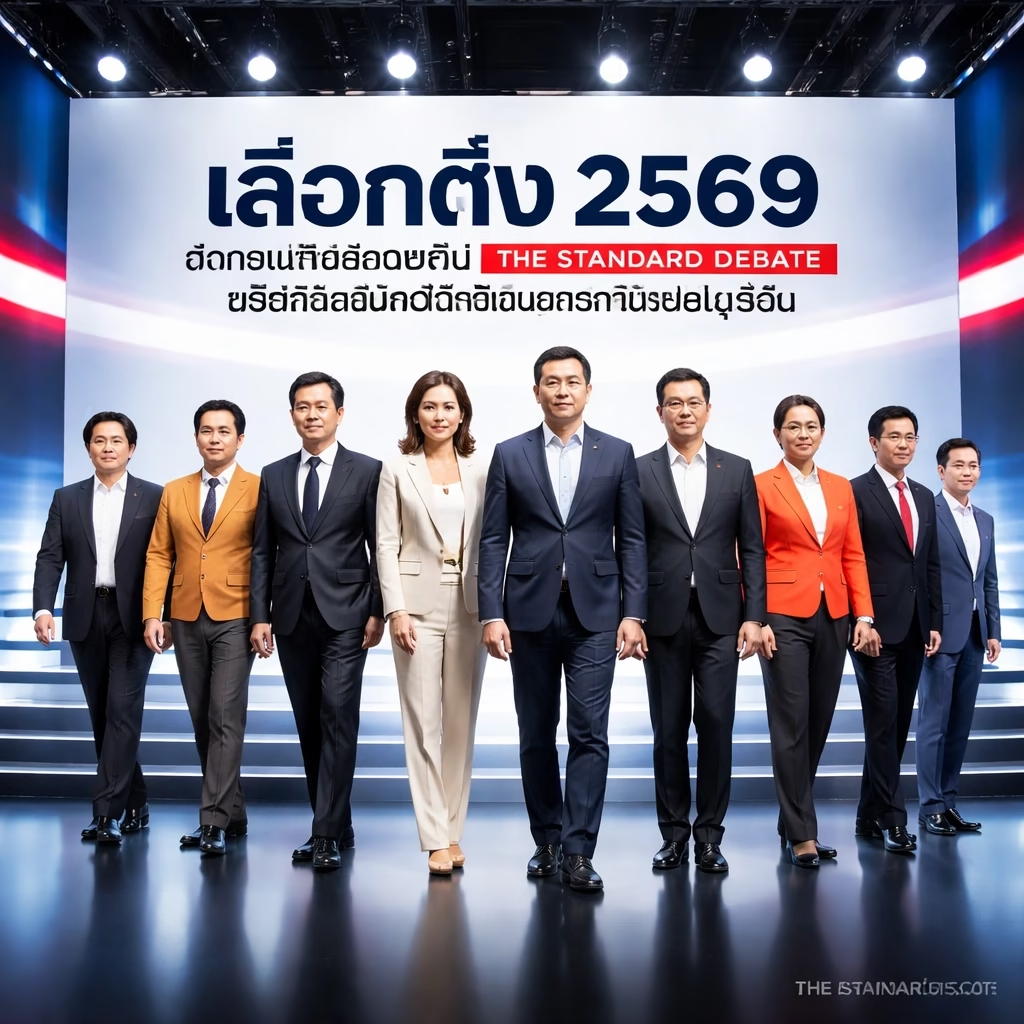
The final days of campaigning will likely involve intensive rallies, televised debates, and targeted outreach to specific voter groups. Election Day, May 14, 2024, will be closely watched, with projections of a high voter turnout. The counting of votes is expected to take several days, and the formation of a new government will likely involve complex negotiations and coalition-building efforts.
Regardless of which party emerges victorious, the incoming administration will face significant challenges, including economic uncertainties, social divisions, and the need to address long-standing political reforms. The next few months will be crucial in determining Thailand's path forward. The Constitutional Court's potential role in reviewing the election results remains a point of attention, particularly concerning the Move Forward Party's participation.
Potential Scenarios
Analysts predict several possible outcomes. A single-party majority remains unlikely, suggesting a continued need for coalition governance. A narrow victory for Pheu Thai could lead to a government reliant on support from smaller parties. A strong showing by the Move Forward Party, despite challenges, could embolden calls for significant political reforms. The formation of a government will ultimately depend on the ability of parties to forge consensus and compromise.