Xiaomi's Budget Tablet: A Value Play or Compromise?
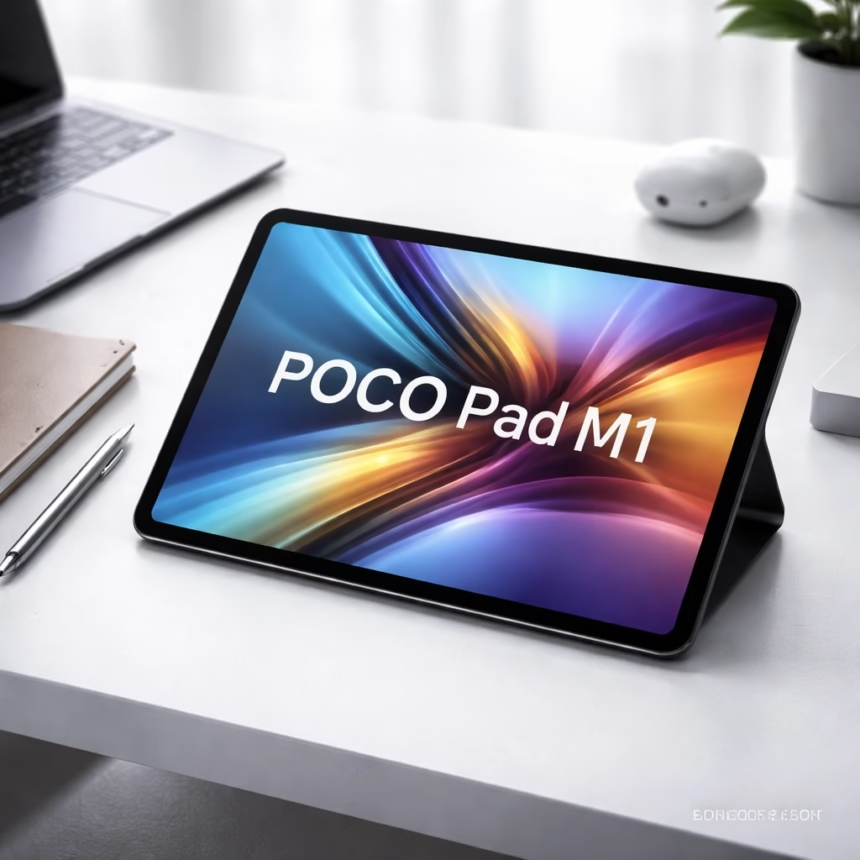
Xiaomi recently launched the Poco Pad M1 in India on June 14, 2023, aiming to capture the budget tablet market. Positioned as an affordable alternative to established brands, the Poco Pad M1 offers a compelling package for users seeking entertainment and productivity on the go. Let's dive into a detailed review.
Background
Xiaomi, a Chinese multinational electronics company headquartered in Beijing, has steadily expanded its product portfolio beyond smartphones to include a range of devices. The Poco sub-brand, launched in 2018, focuses on delivering performance-packed devices at competitive prices. The Poco Pad M1 represents Xiaomi's renewed focus on the tablet segment, after a period of relative inactivity in this space. It builds upon Xiaomi's historical experience with tablets, including the Mi Pad series, though the M1 occupies a significantly lower price bracket.
Key Developments
The Poco Pad M1's launch in India marks a key development in Xiaomi’s strategy to penetrate the budget tablet market. Initially available in two configurations – 6GB RAM/128GB storage and 8GB RAM/128GB storage – the tablet is priced competitively, starting at ₹17,999. A notable aspect is the inclusion of a 5,100mAh battery, promising all-day battery life for typical usage. Xiaomi has emphasized the tablet’s improved display quality and processing power compared to previous entry-level tablets. Early reports highlight a smoother user experience, particularly for everyday tasks and media consumption.

Display and Performance
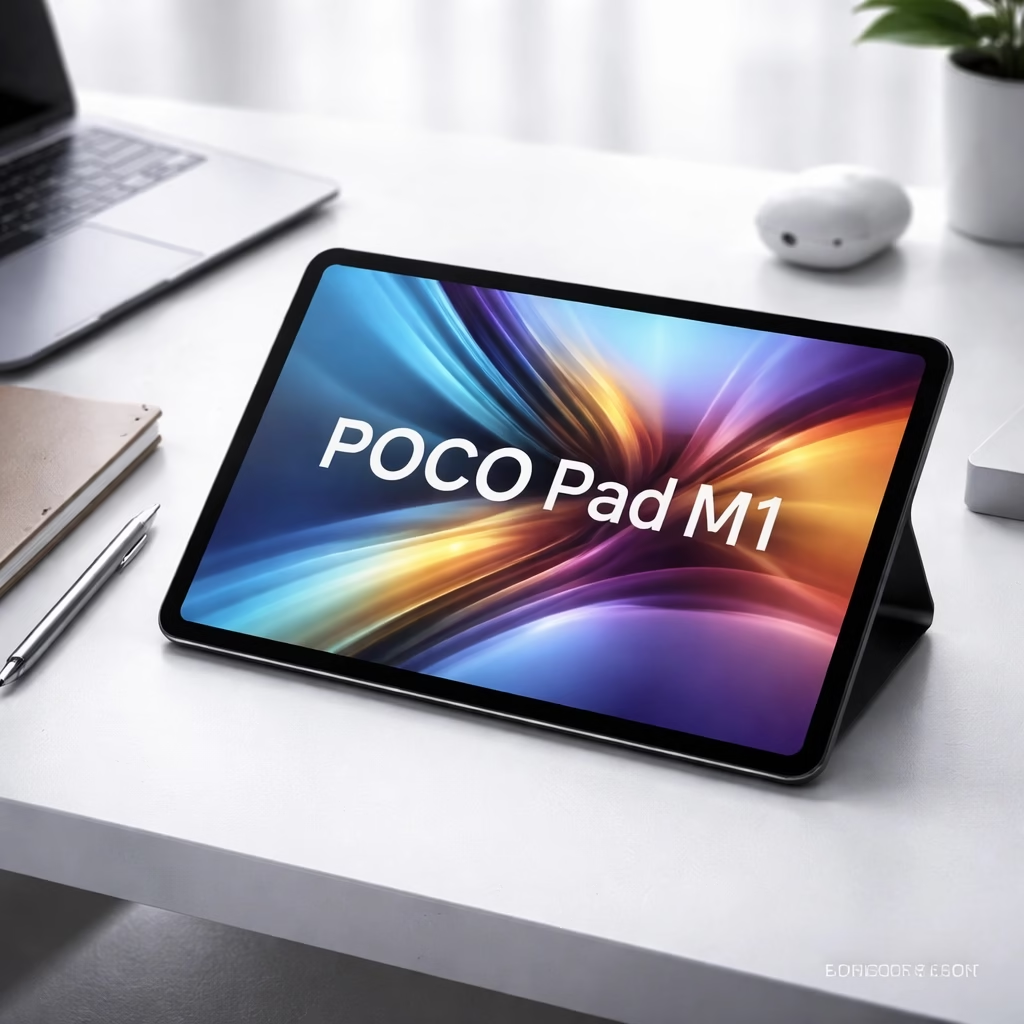
The Poco Pad M1 features a 11.1-inch LCD display with a resolution of 2000 x 1200 pixels and a 60Hz refresh rate. Powered by the MediaTek Helio G99 processor, the tablet aims to deliver a balanced performance for browsing, video streaming, and light gaming. Xiaomi claims that the processor provides a noticeable improvement in efficiency compared to older generation chips. The inclusion of 128GB of internal storage is expandable via microSD card, providing users with flexibility for storing files and media.
Software and Features
The Poco Pad M1 runs on MIUI 14, Xiaomi’s custom Android skin. MIUI 14 offers a range of features, including enhanced privacy controls, a redesigned user interface, and improved performance optimizations. The tablet also supports Google Play Store, allowing users to access a vast library of apps. Xiaomi’s commitment to software updates remains a key factor for users considering the device. They have pledged to provide at least two major Android updates and three years of security patches.
Impact
The Poco Pad M1 has the potential to significantly impact the budget tablet market in India. It directly competes with tablets from brands like Samsung, Lenovo, and Realme that offer similar specifications at comparable price points. The device is aimed primarily at students, casual users, and families looking for an affordable entertainment and productivity device. The availability of expandable storage and a large battery also caters to users who require long-lasting performance. The competitive pricing makes it an attractive option for consumers who are price-sensitive but still desire a functional and reliable tablet.

What Next
Xiaomi is expected to expand the Poco Pad M1's availability to other markets, including Southeast Asia and potentially Europe, in the coming months. Further software updates and optimizations are also anticipated. Xiaomi might introduce a higher-end variant with increased RAM and storage in the future. The company's focus on providing a seamless user experience and regular software updates will be crucial in maintaining the Poco Pad M1's competitiveness in the long run. The success of the Poco Pad M1 will likely influence Xiaomi's future strategy in the tablet market, potentially leading to the release of more premium and feature-rich devices.