Rising Tensions: Southeast Asia Voices Alarm Over Sea Territory Grab
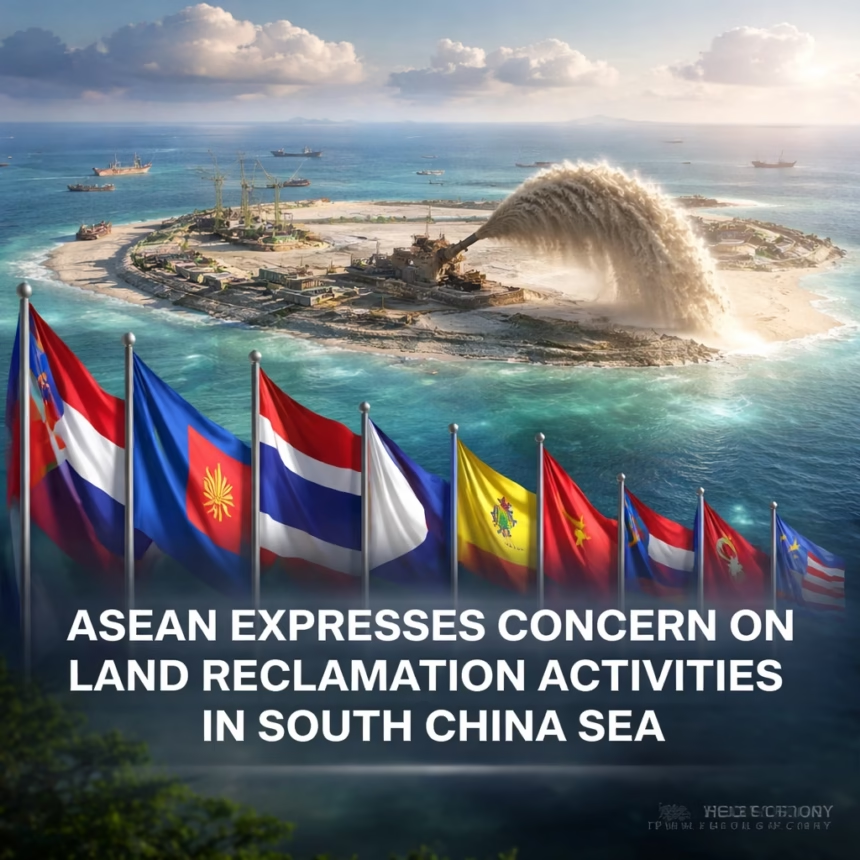
ASEAN nations have voiced increasing concern over extensive land reclamation projects in the South China Sea, raising tensions in the already contested region. The discussions, held during a recent ASEAN Foreign Ministers Meeting in Jakarta, Indonesia, highlight a growing regional apprehension about the escalating territorial disputes. Concerns center around the potential impact on maritime security, environmental degradation, and regional stability.
Background: A History of Disputed Claims
The South China Sea has been a source of contention for decades, with several countries – including China, Vietnam, Philippines, Malaysia, Brunei, and Taiwan – asserting overlapping claims to islands, reefs, and surrounding waters. China claims historical rights to almost the entire sea, a claim rejected by many other claimants and international law. The disputes involve competing claims over islands like the Spratly and Paracel Islands, and features like the Second Thomas Shoal.
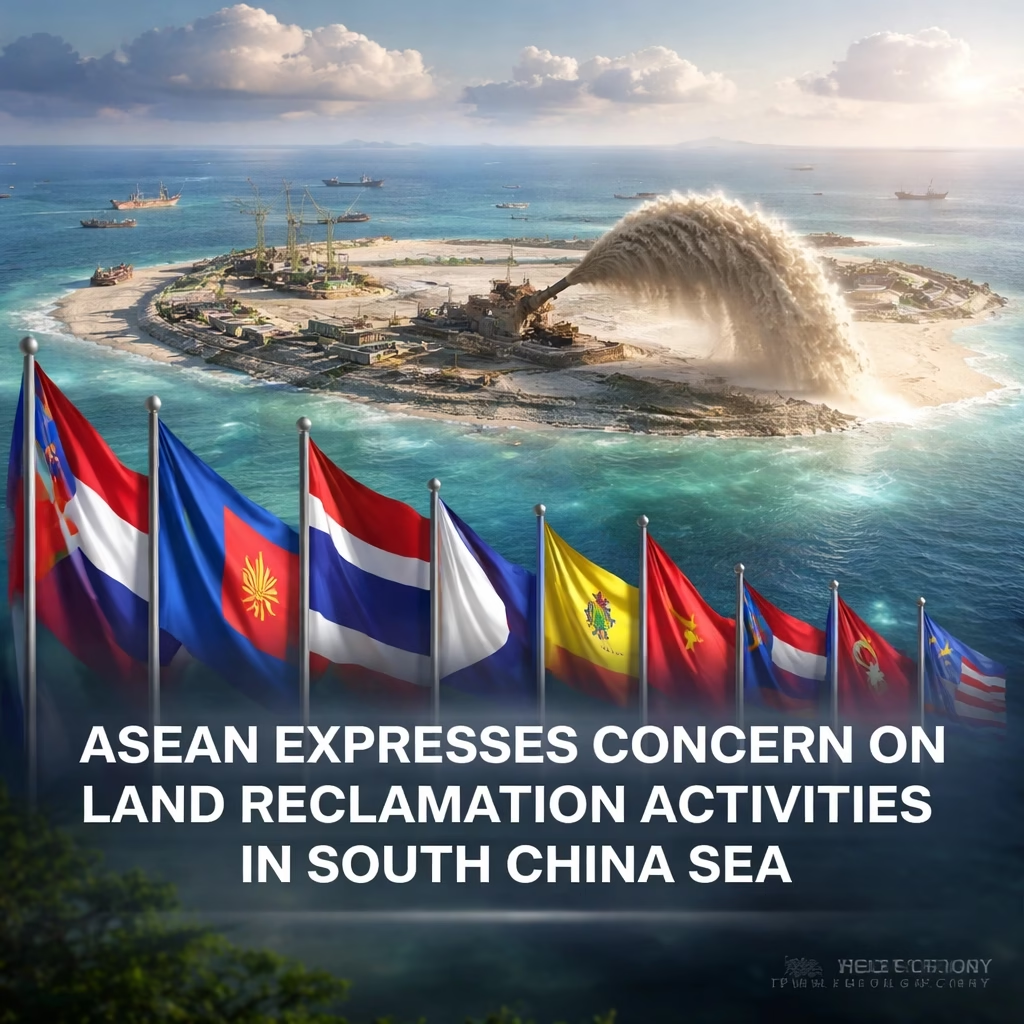
The situation escalated significantly in the mid-2010s with China’s large-scale land reclamation activities on various reefs within the Spratly Islands. These projects, critics argue, transformed low-lying features into artificial islands equipped with military facilities, including airstrips and radar installations. This development heightened regional anxieties and prompted international condemnation.
More Read

Key Developments: Recent Concerns and ASEAN’s Response
The recent surge in land reclamation activities, particularly by China, has triggered renewed concern among ASEAN member states. During the Foreign Ministers Meeting in Jakarta on July 20, 2024, ASEAN leaders discussed the issue extensively. The discussions focused on the need for peaceful resolution of disputes and adherence to international law, specifically the United Nations Convention on the Law of the Sea (UNCLOS).
ASEAN emphasized the importance of respecting the sovereignty and territorial integrity of all claimant states. While ASEAN does not have a formal mechanism for resolving territorial disputes, the organization has consistently advocated for a rules-based approach and diplomatic solutions. The meeting also reiterated calls for restraint and de-escalation of tensions in the region.
Specific concerns raised included the potential for the artificial islands to be used for military purposes, impacting freedom of navigation and overflight in the South China Sea. ASEAN ministers also expressed worries about the environmental damage caused by the reclamation activities, including coral reef destruction and disruption of marine ecosystems.

Impact: Regional Security and Economic Implications
The ongoing land reclamation and militarization of the South China Sea have significant implications for the region. The disputes directly affect the maritime livelihoods of fishermen and coastal communities in countries like Vietnam, the Philippines, and Malaysia, impacting their access to fishing grounds and resources.
The contested waters are also rich in natural resources, including oil and gas reserves. The presence of military installations and assertive territorial claims create a heightened risk of conflict, potentially disrupting trade routes and impacting regional economic stability. The South China Sea is a vital shipping lane, and any escalation of tensions could have far-reaching consequences for global commerce.
Furthermore, the activities are straining diplomatic relations between claimant states, creating a complex web of alliances and rivalries. The Philippines, in particular, has been assertive in challenging China’s claims, leading to occasional confrontations and diplomatic friction.
Environmental Damage: A Growing Threat
The extensive land reclamation has resulted in significant environmental damage. Coral reefs have been destroyed, disrupting marine ecosystems and impacting biodiversity. Increased sedimentation and pollution from construction activities pose a threat to marine life and coastal communities. Environmental organizations have documented widespread damage to fragile ecosystems in the Spratly Islands.
What Next: Expected Milestones and Future Outlook
ASEAN is expected to continue its diplomatic efforts to de-escalate tensions and promote peaceful resolution of the South China Sea disputes. Future milestones may include further consultations among ASEAN member states, engagement with China to discuss adherence to international law, and potential initiatives to enhance maritime cooperation and environmental protection.
While ASEAN lacks a strong enforcement mechanism, the organization's diplomatic pressure and commitment to a rules-based order can play a crucial role in shaping the future of the South China Sea. International organizations, such as the Permanent Court of Arbitration, have also provided frameworks for resolving disputes, although their rulings are not universally accepted.

The coming months will be critical in determining whether ASEAN can effectively address the challenges posed by the ongoing land reclamation activities and prevent further escalation of tensions in the South China Sea. The region’s stability and prosperity depend on finding a peaceful and sustainable solution to this complex issue.