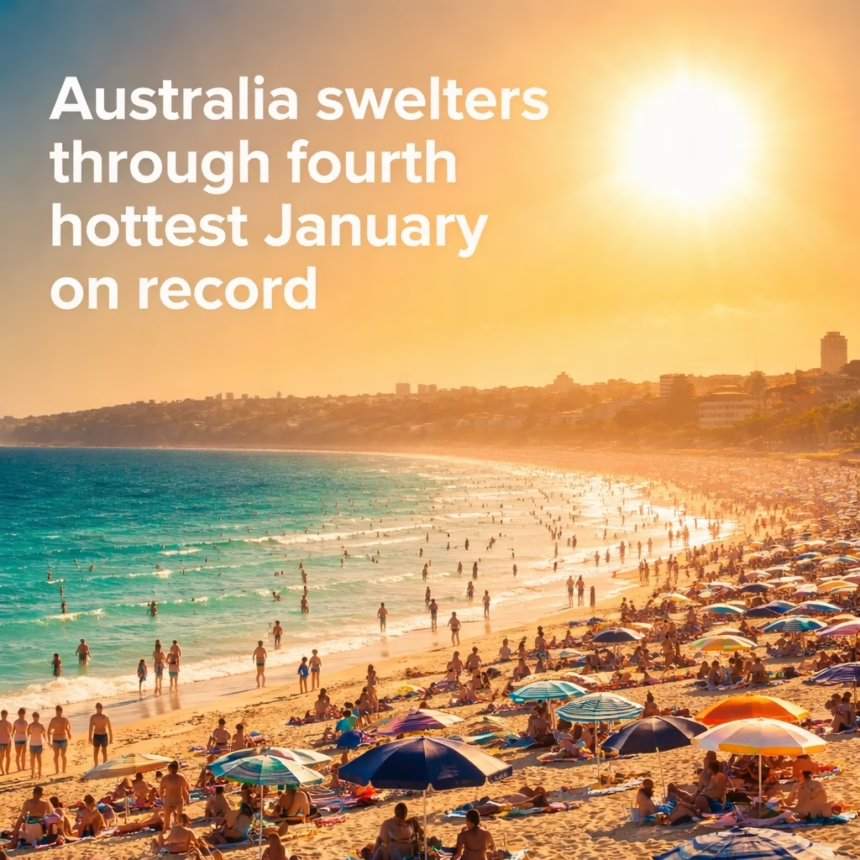
Scorcher Down Under: Australia Faces Extreme Heatwave
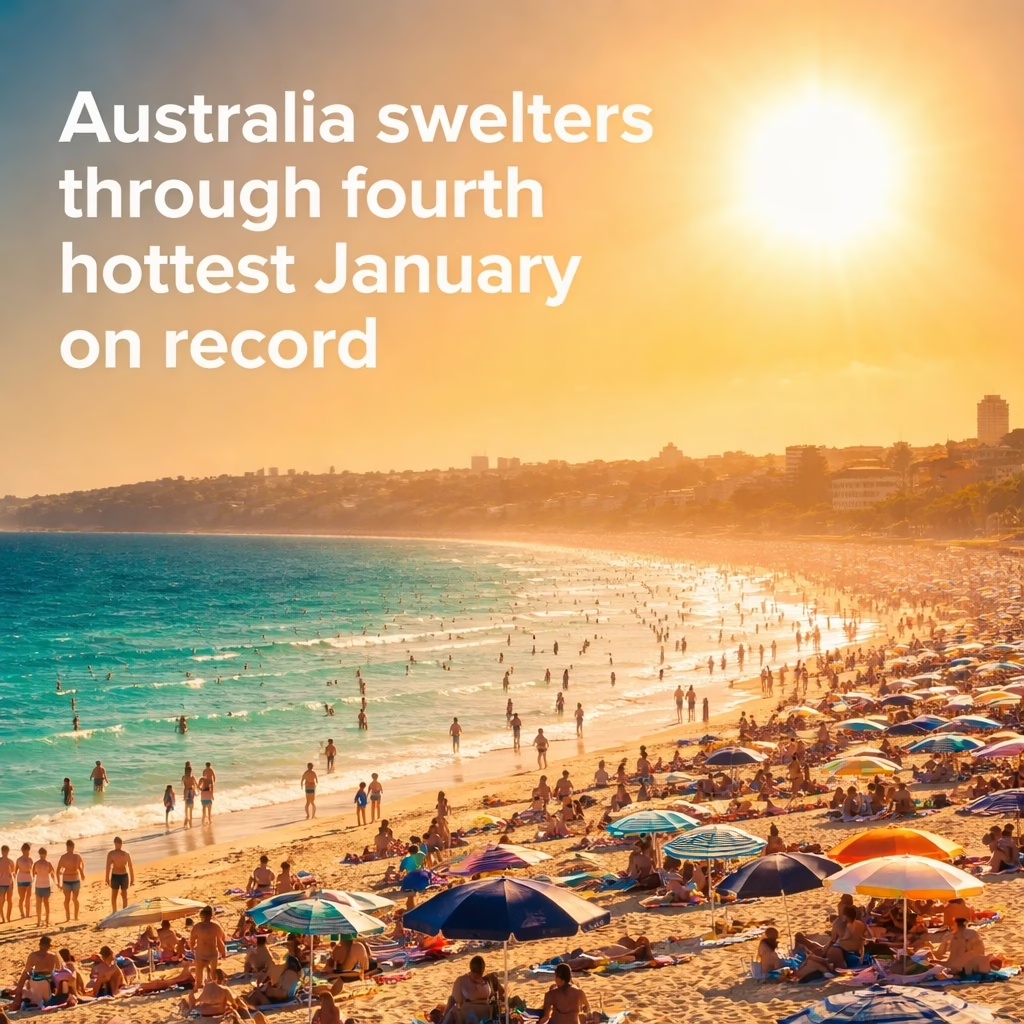
Australia is battling an intense heatwave in January 2024, with temperatures soaring across the country. The extreme conditions are prompting health warnings and impacting daily life from Queensland to Western Australia.
Background: A Pattern of Rising Temperatures
Australia has experienced a warming trend in recent decades, exacerbated by climate change. The past few years have seen a series of record-breaking heat events, contributing to prolonged droughts and increased bushfire risk. January is traditionally one of the hottest months in the country, but this year's conditions are significantly more severe than usual.
The Bureau of Meteorology (BOM) has been tracking temperature anomalies for years. Data indicates a consistent upward trajectory in average temperatures, with several years surpassing previous records. The current heatwave is not an isolated incident but part of a larger, concerning trend.

Key Developments: Breaking Records and Intensifying Conditions
Recent days have witnessed a rapid escalation of temperatures across multiple states. On January 13th, several locations in Western Australia exceeded 44°C (111°F), with some areas reaching 49.9°C (121.8°F) – the highest temperature ever recorded in the state.
Queensland has also been significantly impacted, with prolonged periods of extreme heat and high humidity. The state's capital, Brisbane, has experienced multiple days above 40°C (104°F), prompting emergency heatwave plans.
New South Wales is under a severe heatwave warning, with temperatures expected to remain high throughout the week. Sydney has seen several days of scorching conditions, with public health officials urging residents to take precautions.

The heatwave is not showing signs of abating quickly. The BOM forecasts continued high temperatures for the coming days, with little relief expected in many regions.
Regional Variations
While the entire country is experiencing elevated temperatures, regional variations exist. Northern Australia, particularly the Top End, continues to grapple with drought conditions, compounding the effects of the heat.
Impact: Health Risks and Infrastructure Strain
The extreme heat poses significant risks to public health, particularly for vulnerable populations such as the elderly, children, and those with pre-existing medical conditions. Heatstroke and heat exhaustion cases have been on the rise.
Hospitals across the country are reporting increased patient loads due to heat-related illnesses. Community cooling centers have been opened in many cities to provide respite from the heat.
The heatwave is also impacting infrastructure. Power demand has surged as people use air conditioning, placing a strain on the electricity grid. Roads are buckling under the intense heat, and there are concerns about potential disruptions to transportation networks.
Agriculture is also suffering. Livestock are at risk of heat stress, and crops are experiencing water stress, potentially leading to significant economic losses for farmers.
More Read

What Next: Looking Ahead
The Bureau of Meteorology is closely monitoring the situation and providing regular updates on temperature forecasts and heatwave warnings. The heatwave is expected to persist for at least another week, with temperatures remaining above average across much of the country.
Authorities are urging residents to stay hydrated, avoid strenuous activity during the hottest part of the day, and check on vulnerable neighbors and family members.
Longer-term, the heatwave underscores the ongoing challenges posed by climate change. Experts are calling for urgent action to reduce greenhouse gas emissions and adapt to the impacts of a warming planet. The Australian government is facing increasing pressure to implement policies aimed at mitigating the effects of climate change and building resilience to extreme weather events.
Government Response
Federal and state governments have activated emergency response plans to address the heatwave. These plans include providing support to vulnerable communities, coordinating with health authorities, and monitoring infrastructure conditions.
The Australian government has also pledged to invest in climate resilience measures, including improving infrastructure and supporting farmers to adapt to changing conditions.