Diplomatic Push: Ukraine and Russia to Resume Talks
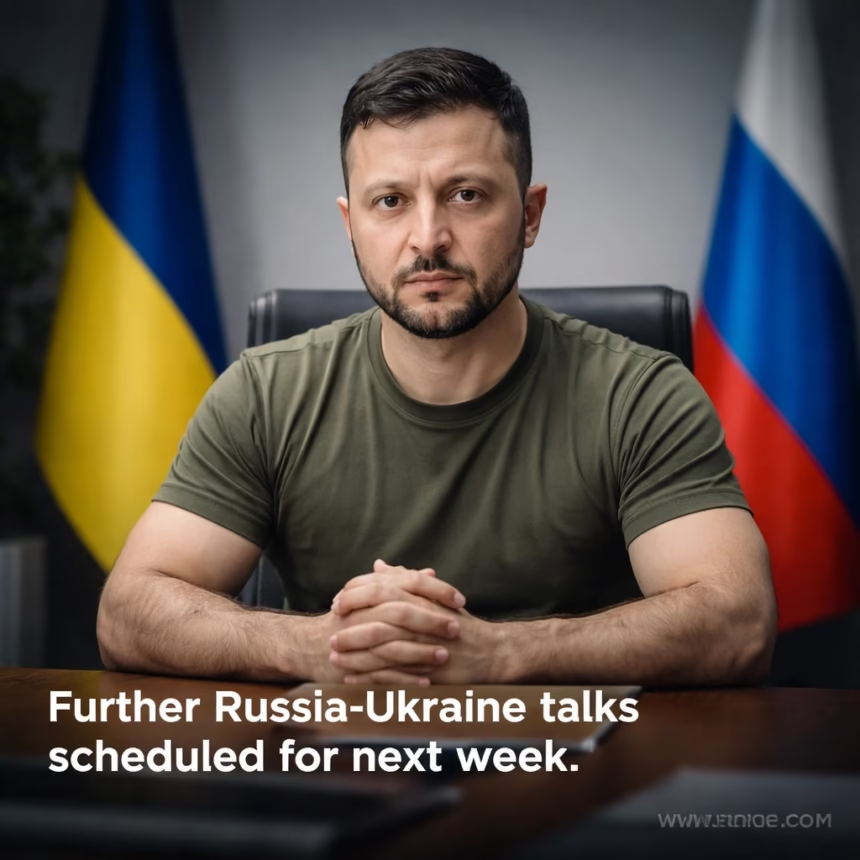
Kyiv, Ukraine – Further talks between Ukraine and Russia are scheduled for next week, according to Ukrainian President Volodymyr Zelenskyy. The discussions aim to address the ongoing conflict and potential pathways toward de-escalation, marking a continuation of intermittent diplomatic efforts.
Background
Since Russia's full-scale invasion of Ukraine began on February 24, 2022, numerous rounds of negotiations have taken place, primarily mediated by Turkey and other international actors. Initial talks in Belarus in late February yielded little progress, with both sides outlining vastly different demands. Subsequent discussions have occurred sporadically, often focused on prisoner exchanges or specific humanitarian corridors. The conflict escalated significantly in late 2022 with the battles around Bakhmut and Avdiivka, and the subsequent Russian occupation of Ukrainian territories.
Previous attempts at peace talks, including those held in Istanbul in March 2022, collapsed due to disagreements over territorial integrity and security guarantees. Ukraine has consistently insisted on the full restoration of its territorial boundaries, including Crimea and the Donbas region, while Russia has demanded recognition of its annexation of these territories and guarantees that Ukraine will not join NATO.
Key Developments
Zelenskyy announced the upcoming talks in a video address on Monday, October 23, 2023. He stated that the meetings will focus on "the most important issues" and reaffirmed Ukraine’s commitment to exploring any opportunity for a negotiated solution, though he emphasized that Ukraine would not concede on its core principles.

Recent weeks have seen intensified fighting along the front lines, particularly in the Kharkiv region and around Avdiivka. Ukraine has launched counteroffensive operations in several areas, aiming to reclaim territory occupied by Russian forces. These military developments have influenced the diplomatic landscape, creating both opportunities and challenges for negotiations.
Turkey, which has played a key mediation role in the past, has reiterated its willingness to host future talks. President Recep Tayyip Erdoğan has engaged in direct communication with both Zelenskyy and Russian President Vladimir Putin, urging them to return to the negotiating table.
Impact
The ongoing conflict has had a devastating impact on Ukraine, resulting in widespread destruction, displacement of millions of people, and significant loss of life. Economic activity has been severely disrupted, and critical infrastructure has been targeted. The war has also had far-reaching consequences for global food security and energy markets.

Beyond Ukraine, the conflict has strained international relations, particularly between Russia and Western countries. Sanctions imposed on Russia by the United States, the European Union, and other nations have had a significant impact on the Russian economy. The war has also led to increased military spending and a renewed focus on defense among many countries.
The humanitarian crisis remains severe, with millions of Ukrainians in need of assistance. International organizations, such as the United Nations and the Red Cross, are working to provide aid and support to those affected by the conflict.
What Next
The upcoming talks are expected to be complex and challenging, given the deep divisions between the two sides. While a breakthrough is unlikely in the immediate term, the discussions could potentially pave the way for future negotiations and a more sustainable resolution to the conflict.
Potential Discussion Points
Key topics likely to be on the agenda include: humanitarian corridors, prisoner exchanges, the status of occupied territories, and security guarantees. Discussions may also address the possibility of a long-term ceasefire or a framework for future negotiations.
The success of the talks will depend on the willingness of both sides to compromise and find common ground. International pressure and mediation efforts will also play a crucial role in facilitating a peaceful resolution. The timing and location of future meetings remain uncertain, but the stated intention to resume dialogue represents a significant development in the ongoing crisis.

More Read

International Response
Western nations have consistently urged both Ukraine and Russia to return to the negotiating table. The United Nations Secretary-General António Guterres has repeatedly called for a peaceful resolution to the conflict, emphasizing the urgent need for humanitarian assistance. The European Union has pledged continued support to Ukraine and has called for accountability for war crimes committed during the conflict.