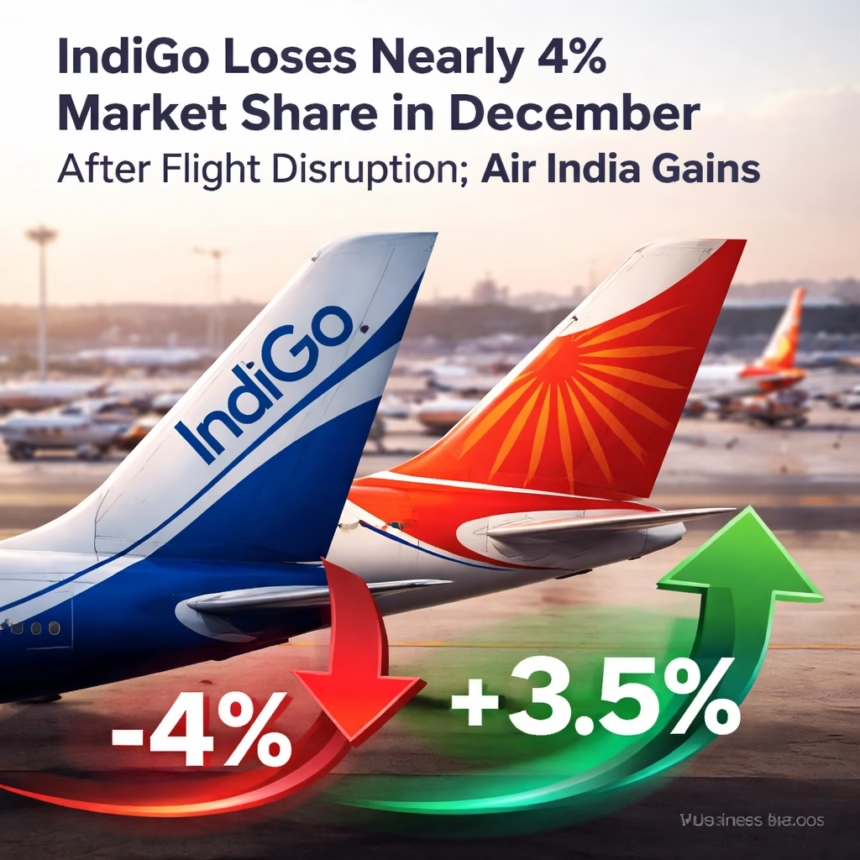
Turbulence Ahead? IndiGo's December Setback Sparks Market Share Shift
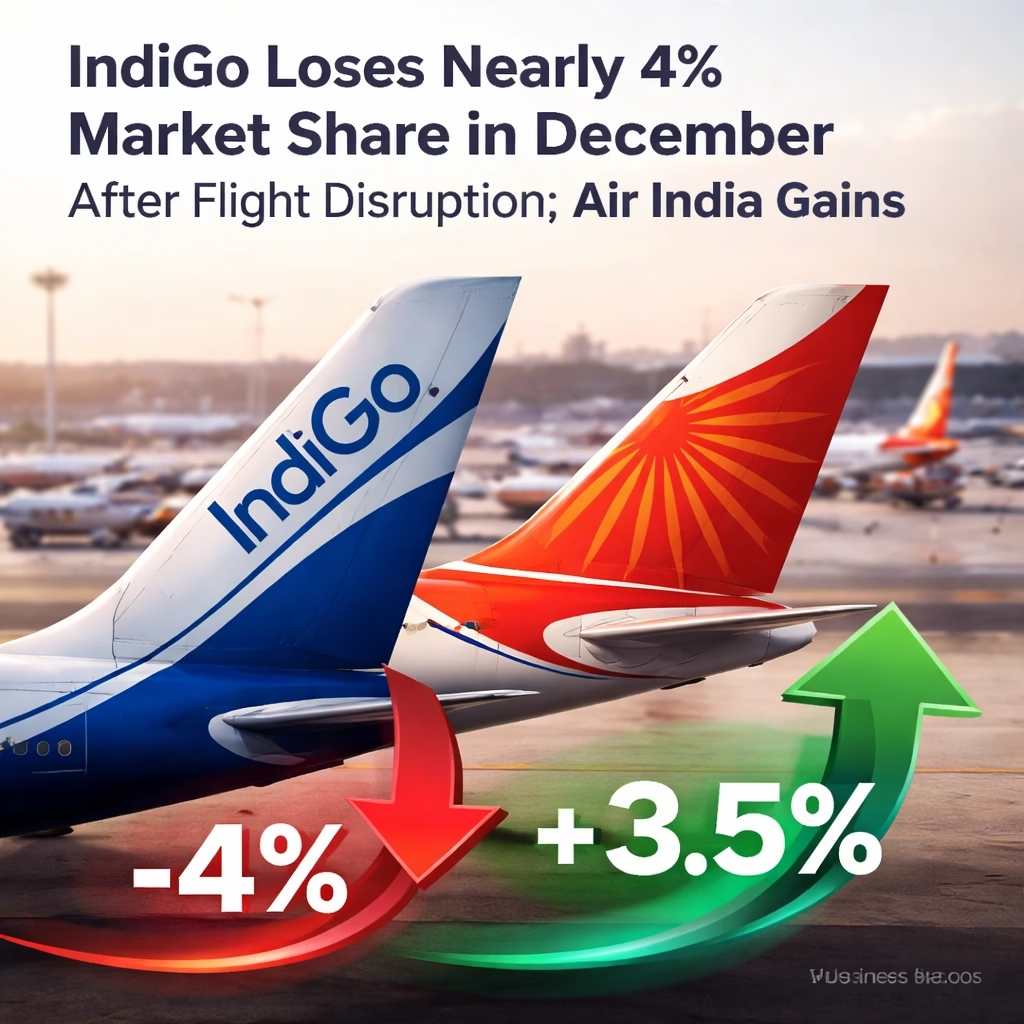
IndiGo, India's largest airline, experienced a significant dip in market share during December 2023, reportedly losing nearly 4%. This coincides with widespread flight disruptions across the Indian aviation sector, creating an opportunity for competitors like Air India. The data highlights the sensitivity of air travel to operational challenges and the competitive dynamics within the Indian market.
Background: A Competitive Landscape
The Indian aviation industry has been steadily growing, driven by rising disposable incomes and increasing air travel demand. IndiGo has long dominated the market, consistently holding the largest share of domestic passenger traffic. However, the competitive landscape has been evolving, with other airlines like SpiceJet, Air India, and Vistara vying for market share. The last few years have seen a resurgence of Air India under new ownership, focusing on expanding its network and improving customer experience.
IndiGo's dominance, historically around 40-45% of the domestic market, has faced challenges in recent times. Factors contributing to this include rising fuel costs, operational hurdles, and increasing competition from airlines focused on value offerings.
More Read

Key Developments: Disruptions and Shifting Preferences
December 2023 witnessed a surge in flight cancellations and delays across India, impacting passengers nationwide. Several factors contributed to this disruption, including adverse weather conditions in key operational hubs like Delhi, Mumbai, and Bangalore, as well as air traffic control challenges and maintenance issues reported by various airlines. IndiGo, being the largest operator, was significantly affected by these disruptions.
Reports indicate that IndiGo’s cancellation rate in December was notably higher than its average for the preceding months. This led to passenger dissatisfaction and a shift in travel preferences, with some passengers opting for alternative airlines offering more reliable schedules. Air India, while not entirely immune to the disruptions, appears to have managed its operations more effectively, resulting in a gain in market share.
Industry analysts suggest that passengers are increasingly prioritizing punctuality and reliability, especially during peak travel seasons. This has created a window of opportunity for Air India to attract customers seeking a more dependable travel experience.
More Read

Impact: Passengers and Stakeholders Affected
The widespread flight disruptions in December had a cascading effect on passengers. Thousands of flight bookings were affected, leading to travel inconveniences, missed connections, and significant stress for travelers. Many passengers reported long queues at airports and difficulties in obtaining timely rebooking options.
Beyond passengers, the disruptions also impacted airlines financially, incurring costs related to compensation, rebooking, and operational adjustments. The disruptions also affected related industries such as tourism and hospitality, as travel plans were altered or cancelled.
Furthermore, the negative publicity surrounding the disruptions has put pressure on the Indian aviation regulator, Directorate General of Civil Aviation (DGCA), to investigate the causes and implement measures to prevent future occurrences. The DGCA has already issued advisories to airlines regarding operational preparedness and passenger communication.
What Next: Addressing the Challenges and Building Resilience
Operational Improvements
Airlines are expected to focus on improving operational efficiency and resilience in the coming months. This includes investing in technology to enhance weather forecasting, optimizing flight schedules, and strengthening maintenance protocols. The DGCA is also encouraging airlines to improve their communication with passengers during disruptions.
Capacity Expansion
Several airlines, including Air India, have announced plans to expand their fleet and network capacity to meet the growing demand. This expansion aims to provide more flight options and improve operational flexibility. Air India, for example, is actively working to increase its international routes and modernize its fleet.
Regulatory Scrutiny
The DGCA is expected to intensify its regulatory oversight of airlines to ensure compliance with safety and operational standards. This includes monitoring flight schedules, analyzing cancellation rates, and investigating passenger complaints. The regulator is also considering measures to improve air traffic management and reduce congestion at airports.

The situation underscores the importance of robust operational planning and effective communication in the aviation industry. The upcoming months will be crucial for airlines to address the challenges posed by disruptions and rebuild passenger confidence.