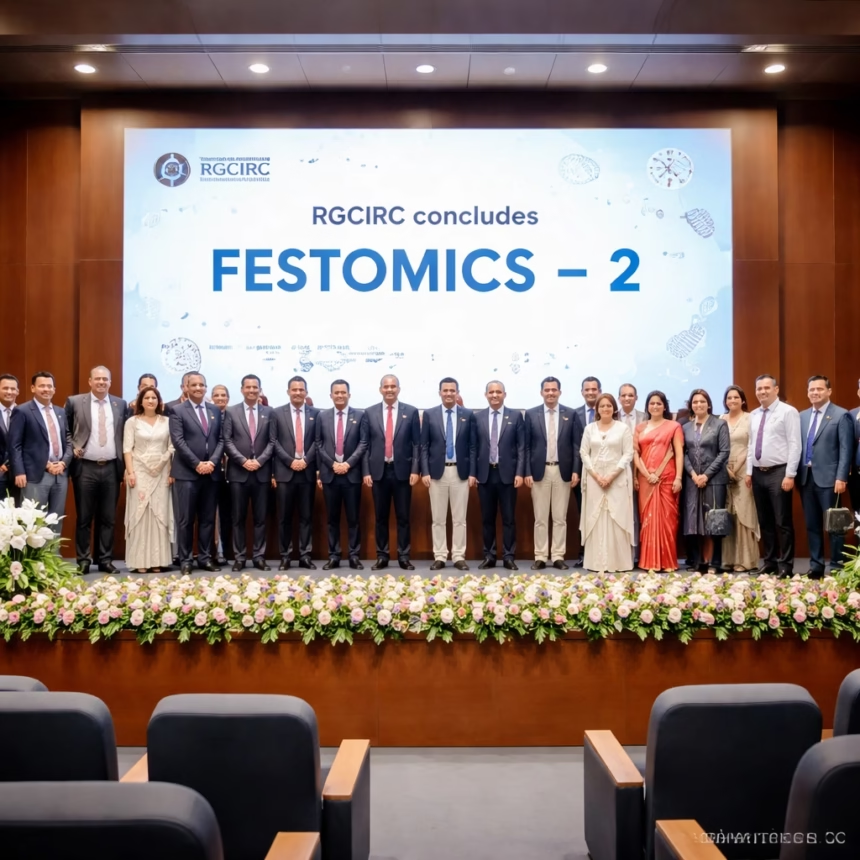
Decoding Life's Blueprint: FESTOMICS Seminar Wraps Up
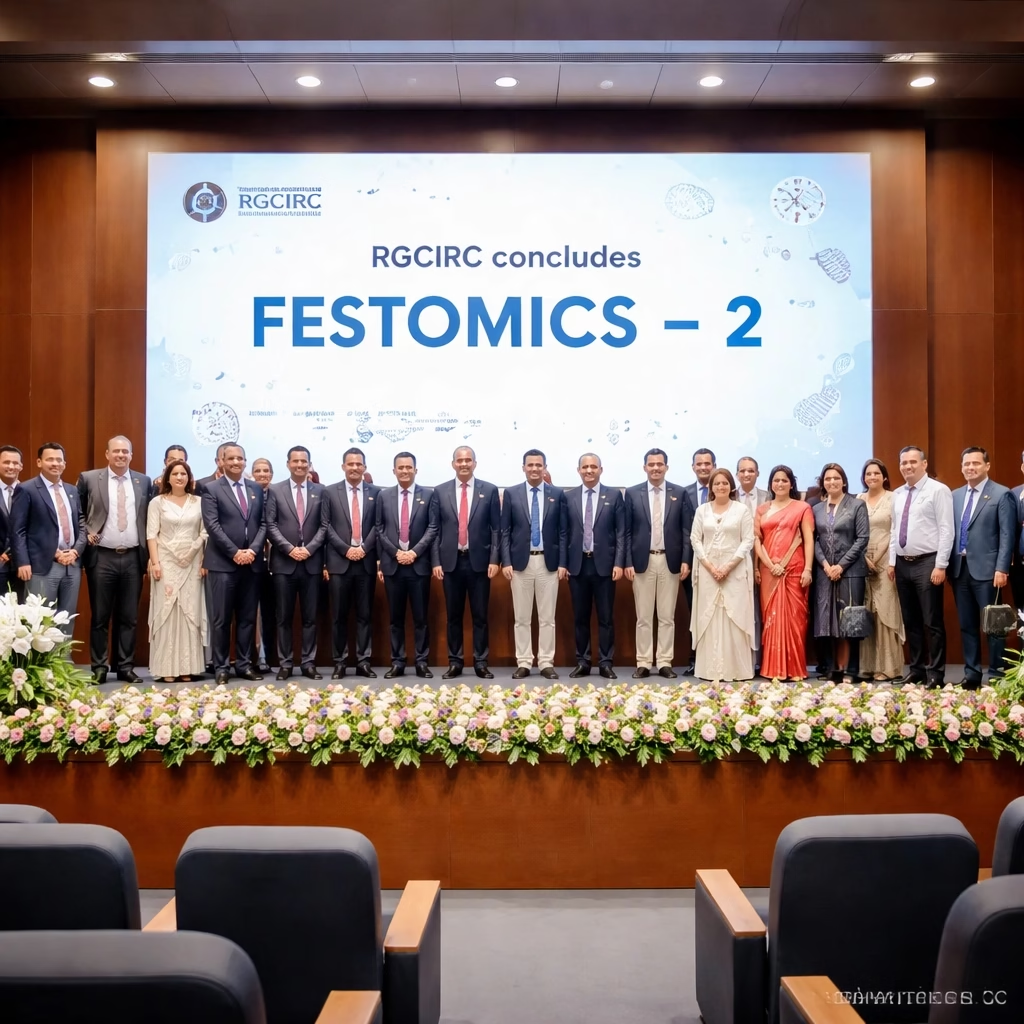
A groundbreaking seminar, FESTOMICS, concluded on November 3rd, 2024, at the National Research Institute of Genomics (RGCIRC) in Hyderabad, India. The event brought together leading researchers, clinicians, and industry experts to discuss the latest advancements in functional genomics and its impact on human health.
Background: A Decade of Functional Genomics
FESTOMICS (Functional Genomics and Systems Biology) has been an annual event hosted by RGCIRC since 2015. It emerged from a growing recognition that understanding how genes function – their roles and interactions within complex biological systems – is crucial for tackling diseases and developing personalized medicine. The seminar's evolution mirrors the rapid progress in high-throughput sequencing, bioinformatics, and computational biology.
Initially focused on basic research, FESTOMICS has progressively expanded its scope to encompass clinical applications, including diagnostics, therapeutics, and drug discovery. The conference aims to foster collaborations and disseminate knowledge, bridging the gap between fundamental genomics research and practical healthcare solutions.
Key Developments: AI and Precision Medicine Take Center Stage
This year's FESTOMICS seminar highlighted significant progress in artificial intelligence (AI) and its application to functional genomics. Several presentations focused on using machine learning algorithms to analyze large genomic datasets, identify disease-associated genes, and predict drug responses.

A major focus was on precision medicine, particularly in oncology. Researchers presented data on using genomic profiling to tailor cancer treatments based on individual patient characteristics. The seminar also showcased advancements in CRISPR-based gene editing technologies and their potential for correcting genetic defects.
Furthermore, a new initiative announced during the event involves establishing a national database of functional genomic data, accessible to researchers across India. This initiative seeks to accelerate research and foster data-driven discovery.

Impact: Transforming Healthcare and Beyond
The advancements discussed at FESTOMICS have the potential to significantly impact healthcare in several ways. Earlier and more accurate disease diagnosis is a key benefit, allowing for timely interventions and improved patient outcomes. Personalized treatment plans, guided by genomic information, promise to be more effective and reduce adverse drug reactions.
Beyond healthcare, functional genomics is driving innovation in agriculture, biotechnology, and environmental science. Understanding the functional roles of genes in various organisms can lead to improved crop yields, the development of novel biofuels, and better environmental remediation strategies.
The conference attendees included researchers from leading universities and research institutions across India, as well as representatives from pharmaceutical companies and biotechnology startups. The event facilitated networking and potential collaborations between these stakeholders.
What Next: Towards a Genomic-Driven Future
RGCIRC plans to build upon the momentum generated by FESTOMICS in the coming year. A key focus will be on expanding the national genomic database and developing new computational tools for analyzing genomic data. The institute will also continue to support research in areas such as epigenetics, non-coding RNA, and multi-omics approaches.
Future Initiatives
RGCIRC is planning a series of workshops and training programs to equip researchers with the skills needed to utilize advanced genomic technologies. They are also exploring opportunities to collaborate with international partners to accelerate scientific discovery and translate research findings into clinical practice.
The next FESTOMICS seminar is tentatively scheduled for November 2025, with a focus on the emerging field of synthetic biology and its applications in medicine and industry. Organizers anticipate an even larger turnout, reflecting the growing importance of functional genomics in shaping the future of science and healthcare.