Why people are talking about this: a fresh wave of reporting around Jeffrey Epstein’s network has reignited scrutiny of Prince Andrew’s past connections — and multiple outlets say it has now had real-world consequences inside the royal estate at Windsor.
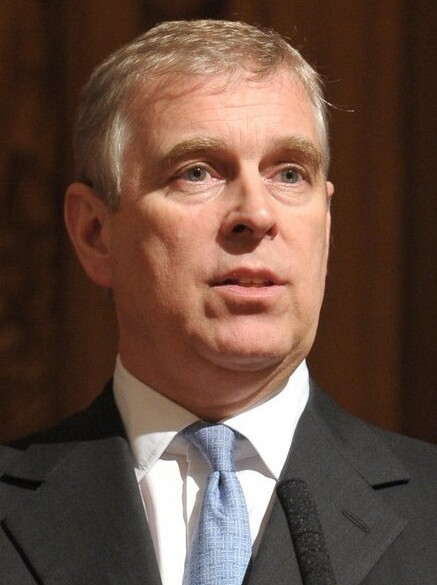
On February 4, 2026, Reuters reported (citing a royal source) that Andrew Mountbatten‑Windsor has moved out of his home on the Windsor estate following renewed attention to his links with Epstein. Similar summaries of the Reuters report have circulated in other outlets, including ABC News (Australia). The New York Times also covered the development, describing it as part of the continuing fallout from newly released materials related to Epstein.
Context
Prince Andrew’s reputation has been under sustained pressure since his association with Epstein became a major international story. Andrew has long denied wrongdoing and previously reached a settlement in a U.S. civil case without an admission of liability — but public and institutional consequences have continued to accumulate, including the curtailment of official roles and royal patronages in recent years.
What’s different about this latest moment is the sense that the story is no longer only about historic allegations or reputational damage; it is also about logistics, residence, and the royal family’s internal boundaries. Windsor is not just a symbolic location. It is a working royal hub with significant public meaning, and changes to who lives where can be read as a signal — fairly or unfairly — about standing, access, and the monarchy’s ongoing attempt to manage risk.
Reuters’ reporting frames the move as connected to “new damaging revelations” about Epstein-related links. That phrase matters. In the public imagination, Epstein coverage tends to arrive in “tranches” — court documents, contact books, flight records, or testimony-driven details — and each wave can trigger a renewed cycle of headlines, analysis, and social-media debate. For institutions like the royal household, that means a story can “re-ignite” even when there is no new legal action against an individual. The reputational cost can still rise as the narrative re-enters the news agenda.
More Read

Windsor property arrangements also intersect with a broader question: how does a modern constitutional monarchy maintain public legitimacy when an individual member repeatedly becomes the subject of damaging, globally amplified controversy? Many observers see the answer as a continued distancing — reducing public visibility, limiting the use of titles and status markers, and tightening proximity to core “working” royal operations.
Reactions
Online reaction has been intense and often polarized. In one direction, critics interpret any residential shift as long-overdue accountability — a concrete sign that the institution is drawing firmer lines than it did in the early years of the scandal. In the other direction, some defenders argue that the coverage is part of an endless reputational loop, and that narrative escalation often outruns verifiable, case-specific developments.
What is consistent across camps is the “signal reading” behavior: people treat moves, titles, and access as “tells” about the royal family’s internal calculus. Even when the public doesn’t know the private details, social platforms quickly turn small facts (a change of residence, a reported relocation) into large interpretations (banishment, exile, cover-up, or institutional cleansing). That’s why a single Reuters line can ripple widely: it provides a crisp, quotable change in status that can be reposted, memed, and debated.

Traditional media reaction follows a similar pattern, but with different incentives. Broadcasters and tabloids often focus on the optics, while international outlets focus on the governance and legitimacy question: how much “distance” is enough to protect the crown from continuing reputational harm, and what does the public expect next?
Future Outlook
The near-term direction of this story depends on what additional Epstein-related material becomes public and how directly it touches the Duke of York. If further documents or reporting strengthen the perception of proximity or inconsistency, pressure for clearer institutional boundaries is likely to intensify. If, instead, the “new revelations” fade without follow-on reporting, attention may move on — though history suggests it can return quickly.
Regardless, the longer-term trend is clearer: modern reputations are managed in cycles, not in single “events.” Each cycle reopens questions about transparency, accountability, and the monarchy’s ability to separate private family matters from public institutional trust.