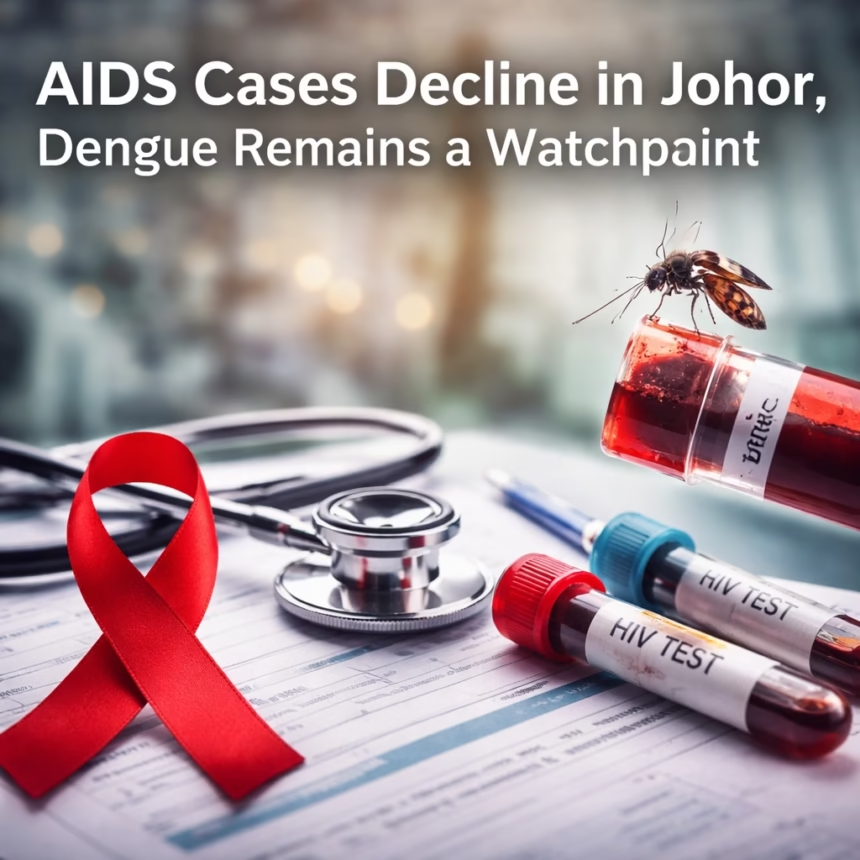
Health Win in Johor: AIDS Cases Drop, Dengue Vigilance Continues
Johor Bahru, Johor – Recent health reports indicate a significant decline in AIDS cases within the state, while authorities remain vigilant against a persistent dengue fever outbreak. These figures paint a picture of progress alongside ongoing challenges in public health management across the region.
Background: A History of Health Challenges
Johor has historically faced a dual challenge: combating HIV/AIDS and managing vector-borne diseases like dengue. The first AIDS case in Johor was recorded in 1992, marking the beginning of the state's response to the epidemic. Over the years, public health initiatives focused on awareness campaigns, testing accessibility, and treatment programs have been implemented. Dengue fever, a recurring concern, has seen spikes in incidence particularly during the monsoon season, impacting communities across the state.
The National AIDS Commission (NAC) has consistently worked with state health departments in Johor to strengthen prevention and control measures. These measures include promoting safe sex practices, providing antiretroviral therapy (ART) to those living with HIV, and reducing stigma associated with the virus. The dengue situation is managed through public awareness campaigns emphasizing mosquito control, sanitation, and community participation.
More Read

Key Developments: A Positive Trend in AIDS Reduction
The latest data released by the Johor Health Department on November 15, 2023, reveals a notable decrease in new AIDS cases. In 2022, Johor recorded 65 new HIV/AIDS cases. This year, the number has dropped to 48, representing a 23.1% decline. This positive trend is attributed to increased access to HIV testing, improved treatment outcomes through ART, and enhanced prevention strategies targeting high-risk groups.
The state government has also invested in expanding the reach of HIV testing centers throughout Johor, making it easier for individuals to get tested without fear of judgment. Community outreach programs, especially targeting key populations like sex workers and men who have sex with men, have also played a crucial role. Furthermore, the increased availability of PrEP (pre-exposure prophylaxis) – a medication that can prevent HIV infection – is contributing to the reduction in new cases.
Impact: A Community Perspective
The decline in AIDS cases is a significant victory for public health in Johor. It means fewer families are affected by the devastating consequences of HIV/AIDS, and the burden on the healthcare system is lessened. However, the impact extends beyond just statistics. It signifies a shift in societal attitudes towards HIV, with reduced stigma and increased support for those living with the virus.

For individuals living with HIV, the availability of effective ART has transformed the condition from a death sentence to a manageable chronic illness. Many are now living long and healthy lives. Community support groups and NGOs in Johor play a vital role in providing emotional support, practical assistance, and advocacy for those living with HIV.
The ongoing dengue threat continues to impact communities, particularly during the peak months of November to May. Outbreaks often strain local healthcare facilities and disrupt daily life. The economic impact can be significant, with lost productivity and healthcare costs.
What Next: Sustaining Progress and Addressing Challenges
While the decline in AIDS cases is encouraging, continued efforts are crucial to sustain this progress. The Johor Health Department plans to further expand HIV testing services, particularly in underserved areas. Emphasis will also be placed on strengthening partnerships with NGOs and community organizations to reach more people and provide comprehensive support.
Strengthening Dengue Control
For dengue, the focus remains on proactive prevention. This involves intensified mosquito surveillance, public education campaigns promoting source reduction (eliminating mosquito breeding sites), and community clean-up initiatives. The Johor government is also exploring the use of larvicides and other vector control methods to reduce mosquito populations.
Addressing Remaining Challenges
Challenges remain, including stigma associated with HIV, limited access to healthcare in rural areas, and the emergence of new strains of dengue. Continuous monitoring, research, and adaptation of public health strategies are essential to address these challenges effectively. The Johor Health Department will continue to collaborate with national agencies and international partners to strengthen its response to both HIV/AIDS and dengue fever.
The long-term goal is to achieve an AIDS-free generation in Johor and to eliminate dengue fever as a public health threat. This requires sustained commitment, collaboration, and community engagement.