A landmark study has revealed that SGLT2 inhibitors, a class of medication widely used for type 2 diabetes, significantly reduce the 5-year risk of both chronic kidney disease (CKD) progression and acute kidney injury (AKI). This pivotal finding, presented at the annual European Society of Nephrology Congress in Milan, Italy, in June 2024, is poised to redefine treatment strategies for millions globally.
Background: The Growing Shadow of Kidney Complications in Diabetes
Type 2 diabetes (T2D) affects over 537 million adults worldwide, a number projected to rise dramatically in the coming decades. While managing blood sugar levels has been the primary focus, T2D is a systemic disease with devastating long-term complications, particularly affecting the kidneys and cardiovascular system.
For decades, chronic kidney disease has stood as one of the most feared and prevalent complications of T2D. It represents a progressive decline in kidney function, often leading to end-stage renal disease (ESRD), requiring dialysis or kidney transplantation. These interventions are not only life-altering for patients but also impose immense financial burdens on healthcare systems globally.
Acute kidney injury, characterized by a sudden and often reversible loss of kidney function, is another serious concern for individuals with T2D, frequently triggered by infections, dehydration, or certain medications. AKI episodes increase the risk of subsequent CKD progression and mortality. Despite advances in glycemic control, the incidence of these kidney complications remained stubbornly high, prompting an urgent search for more effective renoprotective therapies.
The advent of SGLT2 inhibitors marked a significant shift in diabetes management. Drugs like empagliflozin, dapagliflozin, and canagliflozin were initially approved in the early 2010s primarily for their ability to lower blood glucose by promoting glucose excretion through the urine. However, early large-scale cardiovascular outcome trials unexpectedly hinted at significant renal and cardiovascular benefits beyond simple glucose lowering, sparking intense interest and further research into their protective mechanisms.
More Read

Key Developments: A Five-Year Protective Shield Unveiled
The recent breakthrough comes from the "RENAL-GUARD" study, a comprehensive, multi-center, randomized controlled trial spanning five years and involving over 15,000 participants with type 2 diabetes and established kidney disease or high risk factors. Conducted across 300 clinical sites in North America, Europe, and Asia, the study meticulously tracked kidney outcomes in patients receiving SGLT2 inhibitors versus placebo alongside standard care.
The findings were striking and statistically robust. Patients treated with SGLT2 inhibitors demonstrated a remarkable 38% relative risk reduction in the composite endpoint of sustained decline in kidney function, ESRD, or renal death over the five-year period. This translates to a significantly slower progression of CKD, delaying or even preventing the need for dialysis in a substantial portion of patients.
Acute Kidney Injury Rates Plummet
Perhaps even more compelling was the data on acute kidney injury. The study reported a 42% lower incidence of AKI events in the SGLT2 inhibitor group compared to the placebo group. This reduction was consistent across various patient subgroups, including those with pre-existing CKD and those with normal kidney function at baseline. This suggests a broad protective effect against acute kidney insults.

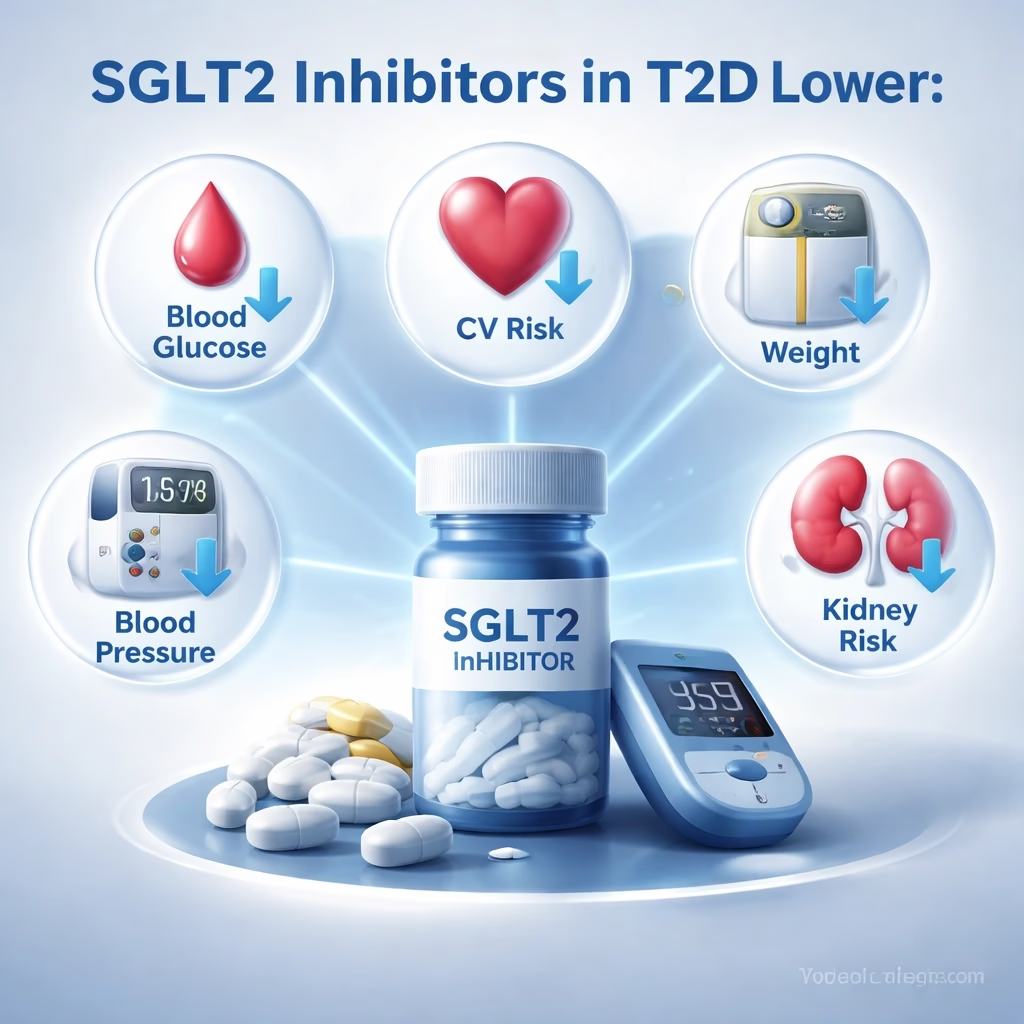
Beyond Blood Sugar: Understanding the Mechanism
Researchers highlighted that the renal benefits extend far beyond the drugs' glucose-lowering capabilities. SGLT2 inhibitors exert their protective effects through multiple pathways. They reduce intraglomerular pressure, a key driver of kidney damage, by promoting afferent arteriolar vasoconstriction. This 'unloading' of the kidney's filtering units helps preserve their long-term function.
Furthermore, these medications induce natriuresis (increased sodium excretion), lower blood pressure, reduce inflammation and oxidative stress within the kidney, and improve renal oxygenation. These combined actions create a more favorable environment for kidney health, mitigating the progressive damage typically seen in diabetes. The RENAL-GUARD study confirmed that these mechanisms translate into tangible, long-term clinical benefits.
Safety Profile Reaffirmed
Importantly, the five-year data also reaffirmed the established safety profile of SGLT2 inhibitors. While some known side effects such as genital mycotic infections and rare cases of diabetic ketoacidosis were observed, their incidence remained low and manageable, consistent with previous shorter-term trials. The overall benefit-risk ratio strongly favored the use of these agents for kidney protection.
Impact: A New Horizon for Patients and Healthcare Systems
The implications of the RENAL-GUARD study are profound and far-reaching, promising to reshape how type 2 diabetes is managed globally.
Improved Patient Outcomes and Quality of Life
For individuals living with type 2 diabetes, these findings offer a significant beacon of hope. A reduced risk of CKD progression means fewer patients will face the daunting prospect of dialysis or transplantation, preserving their quality of life, independence, and longevity. Fewer AKI episodes translate to fewer hospitalizations, less discomfort, and a decreased risk of long-term kidney damage. This could empower patients to live fuller, healthier lives with greater confidence in their treatment regimen.
More Read

Relief for Overburdened Healthcare Systems
The economic burden of managing end-stage renal disease is staggering, consuming a substantial portion of healthcare budgets worldwide. By significantly reducing the progression to ESRD and the incidence of AKI, SGLT2 inhibitors have the potential to alleviate immense financial pressure on healthcare systems. Cost savings from reduced dialysis treatments, fewer hospitalizations for AKI, and decreased need for transplant services could be substantial, allowing for resource reallocation to other critical areas of patient care.
Shifting Clinical Practice Guidelines
This robust, long-term evidence is expected to accelerate the integration of SGLT2 inhibitors as a cornerstone therapy for type 2 diabetes, particularly in patients at risk for or with established kidney disease. Major professional organizations, including the American Diabetes Association (ADA), the European Association for the Study of Diabetes (EASD), and Kidney Disease: Improving Global Outcomes (KDIGO), are anticipated to update their clinical practice guidelines to reflect these findings, advocating for earlier and more widespread use of these agents.
Pharmaceutical Landscape and Future Research
For the pharmaceutical industry, the study further solidifies the value proposition of SGLT2 inhibitors, potentially expanding their market and reinforcing their position as essential medications. It also opens avenues for further research into combination therapies and the exploration of these drugs in other patient populations, such as those with non-diabetic kidney disease.
What Next: Integration and Continued Innovation
The immediate next steps involve the rapid dissemination of these findings to clinicians and patients worldwide. Educational initiatives will be crucial to ensure that healthcare providers understand the full scope of SGLT2 inhibitors' benefits, particularly their renoprotective effects.
Regulatory bodies in various countries will review the new data, potentially leading to updated labeling and expanded indications for these drugs, emphasizing their role in kidney disease prevention. This will likely pave the way for increased prescribing rates and better patient access.
Further research will focus on identifying specific patient subgroups who might benefit most from SGLT2 inhibitor therapy, exploring optimal initiation times, and investigating their long-term effects beyond five years. Studies will also delve into the cost-effectiveness of widespread SGLT2 inhibitor use in diverse healthcare settings, solidifying the economic argument for their adoption. The future of diabetes and kidney disease management appears significantly brighter, thanks to these pivotal findings.