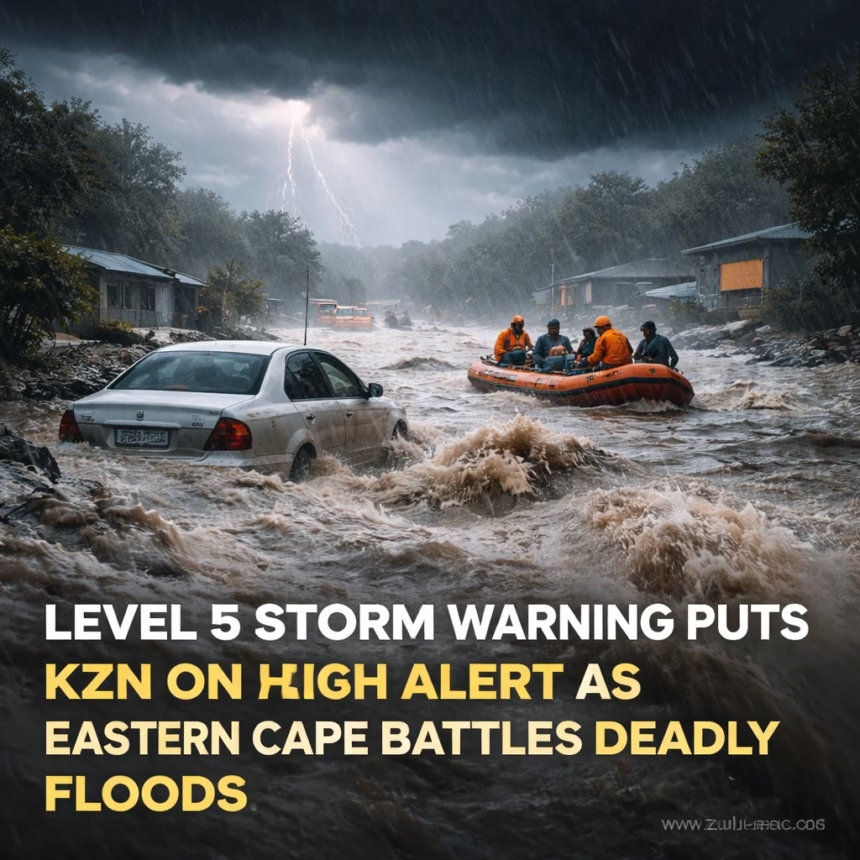
Coastal Catastrophe Looms: KZN Braces for Level 5 Storm as Eastern Cape Reels from Deadly Deluge
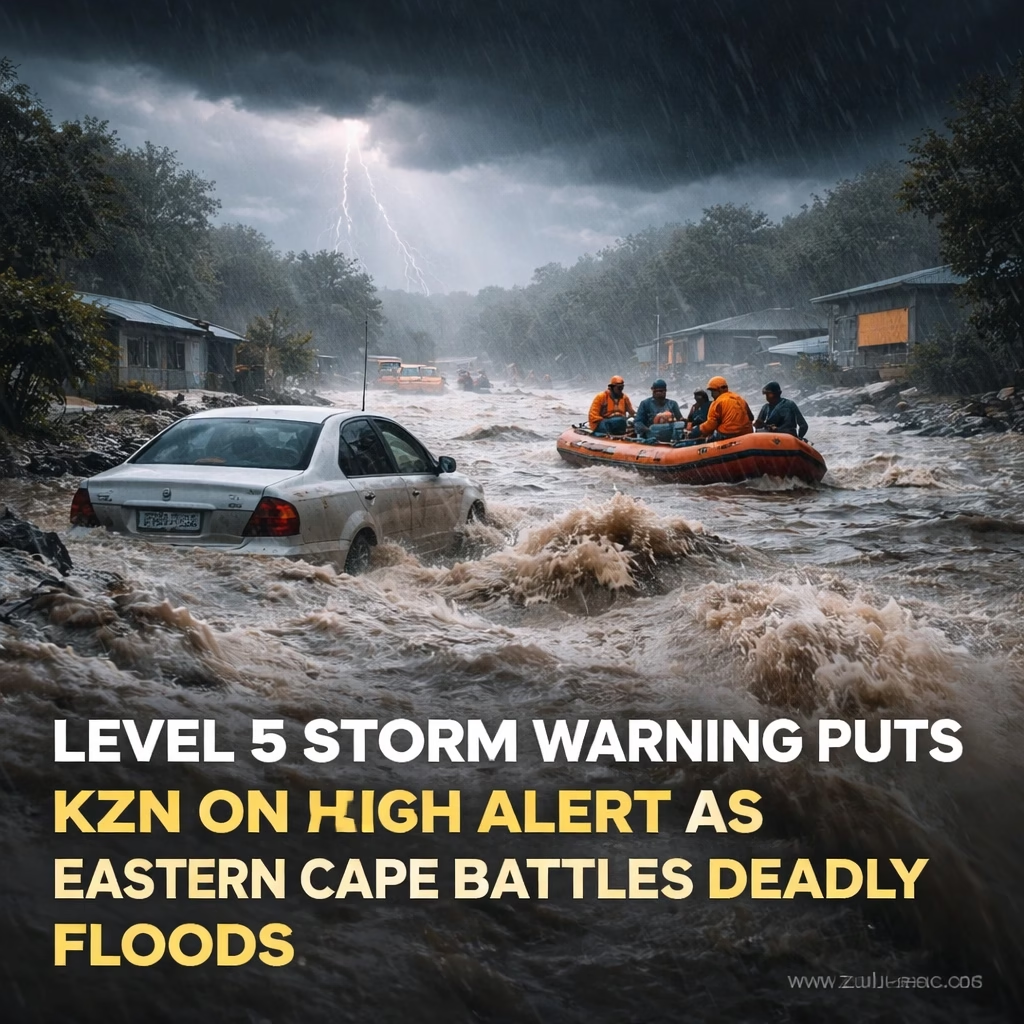
KwaZulu-Natal (KZN) is on maximum alert following a Level 5 weather warning issued by the South African Weather Service (SAWS), predicting extreme downpours and disruptive winds across the province. This grave forecast comes as the neighbouring Eastern Cape grapples with the devastating aftermath of deadly floods that have claimed numerous lives and displaced thousands over the past 72 hours.
Authorities in both provinces are urging residents to take immediate precautions, with emergency services mobilised and critical infrastructure under close monitoring as the nation braces for a potential dual weather crisis along its eastern coastline.
Background: A Region Under Relentless Climatic Pressure
South Africa's eastern coast, particularly KZN and the Eastern Cape, has historically been vulnerable to severe weather events, often exacerbated by climate change patterns. The region experienced catastrophic floods in April 2022, which resulted in over 400 fatalities and widespread destruction in KZN, highlighting the area's susceptibility to intense rainfall.
Seasonal weather patterns, influenced by factors like La Niña and warmer Indian Ocean temperatures, frequently contribute to increased rainfall variability and the intensity of storm systems. These conditions create a precarious environment, especially in densely populated informal settlements and areas with compromised drainage systems.
Warnings for the current weather system began circulating earlier in the week, with SAWS initially issuing lower-level advisories for heavy rainfall. However, the rapid intensification of the low-pressure system prompted an escalation to a Level 5 warning for KZN, signifying a high likelihood of significant impact.
The Eastern Cape, meanwhile, has been battling torrential rains since late last week, leading to flash floods and riverine flooding across several districts. This prolonged period of adverse weather has already saturated the ground, increasing the risk of landslides and further flooding as any new rainfall occurs.
Key Developments: Escalating Warnings and Immediate Impacts
The Level 5 warning for KwaZulu-Natal, effective from late Thursday through Friday, forecasts widespread heavy rainfall exceeding 200mm in a 24-hour period across coastal and adjacent interior regions. Accompanying this is the threat of disruptive winds, potentially reaching speeds of 90-120 km/h, capable of causing structural damage and felling trees.
Specific areas identified as high-risk in KZN include the eThekwini Metropolitan Municipality, Ugu District Municipality, Ilembe District Municipality, and parts of the King Cetshwayo District. Residents in low-lying areas, riverbanks, and informal settlements have been advised to seek higher ground or designated community halls.
More Read

Eastern Cape’s Ongoing Ordeal
In the Eastern Cape, the situation remains dire. The provincial disaster management centre has confirmed at least 23 fatalities across various municipalities, with the Nelson Mandela Bay Metro and Buffalo City Metro being among the hardest hit. The death toll includes individuals swept away by floodwaters and those trapped in collapsing structures.
Rescue operations are ongoing, with the South African National Defence Force (SANDF) deployed to assist provincial emergency services. Thousands of residents have been evacuated from their homes, particularly in informal settlements along the Swartkops River in Gqeberha and areas prone to flooding in East London.
Infrastructure damage in the Eastern Cape is extensive. Key provincial roads, including sections of the N2 and R61, have been rendered impassable due to washaways and debris. Bridges have collapsed, isolating communities, and widespread power outages are affecting tens of thousands of households across the region. Water supply disruptions have also been reported in several towns.
More Read

Impact: Lives Disrupted, Infrastructure Crippled
The human toll of these weather events is profound. In the Eastern Cape, beyond the confirmed fatalities, dozens remain unaccounted for, prompting urgent search and rescue missions. Over 6,000 individuals have been displaced and are currently housed in temporary shelters, community halls, and churches, relying on humanitarian aid for basic necessities.
The floods have not only claimed lives but also destroyed livelihoods. Homes, businesses, and agricultural land have been submerged or severely damaged, leaving many with nothing. The economic impact on already struggling communities is expected to be substantial, with long-term recovery efforts required.
Infrastructure and Services
- Road Networks: Numerous provincial and municipal roads in the Eastern Cape are impassable, severely hindering emergency response and access to affected areas. KZN is preparing for similar disruptions.
- Power and Water: Extensive power outages have been reported across the Eastern Cape, impacting critical services. Water infrastructure has been damaged, leading to supply interruptions and concerns about water quality.
- Public Services: Schools in high-risk areas of both KZN and the Eastern Cape have been closed as a precautionary measure, disrupting education for thousands of learners. Healthcare facilities are also under strain, with some inaccessible due to road closures.
The psychological impact on survivors and emergency responders is also a growing concern, with many witnessing devastating scenes and experiencing significant trauma.
What Next: Vigilance, Relief, and Recovery
The immediate focus for KwaZulu-Natal is on preparedness and rapid response. Provincial disaster management teams, led by MEC for Cooperative Governance and Traditional Affairs (COGTA), Mr. Bongi Sithole-Moloi, are on high alert. Emergency services, including SAPS, paramedics, and volunteer organisations, have been strategically deployed.
Residents in KZN are strongly advised to remain indoors, avoid unnecessary travel, and secure loose outdoor items. Those living near rivers or in flood-prone areas are urged to evacuate proactively to designated safe zones or the homes of friends and family on higher ground. Public safety announcements are being broadcast across various media platforms.
Eastern Cape Recovery Efforts
In the Eastern Cape, the emphasis has shifted to ongoing search and rescue, humanitarian aid distribution, and initial assessments for recovery. The provincial government has declared a state of disaster in affected municipalities, unlocking additional resources for relief efforts.
President Cyril Ramaphosa has extended condolences to the bereaved families and pledged national government support for both immediate relief and long-term reconstruction. Humanitarian organisations, including the Red Cross and various NGOs, are mobilising resources to provide food, blankets, and medical assistance to displaced communities.
The forecast for the coming days suggests a gradual easing of the severe weather system, but the aftermath will be extensive. Authorities anticipate a prolonged period of recovery, focusing on restoring essential services, rebuilding damaged infrastructure, and providing support to affected individuals and communities. The full extent of the damage and the long-term implications will only become clear in the weeks and months ahead.