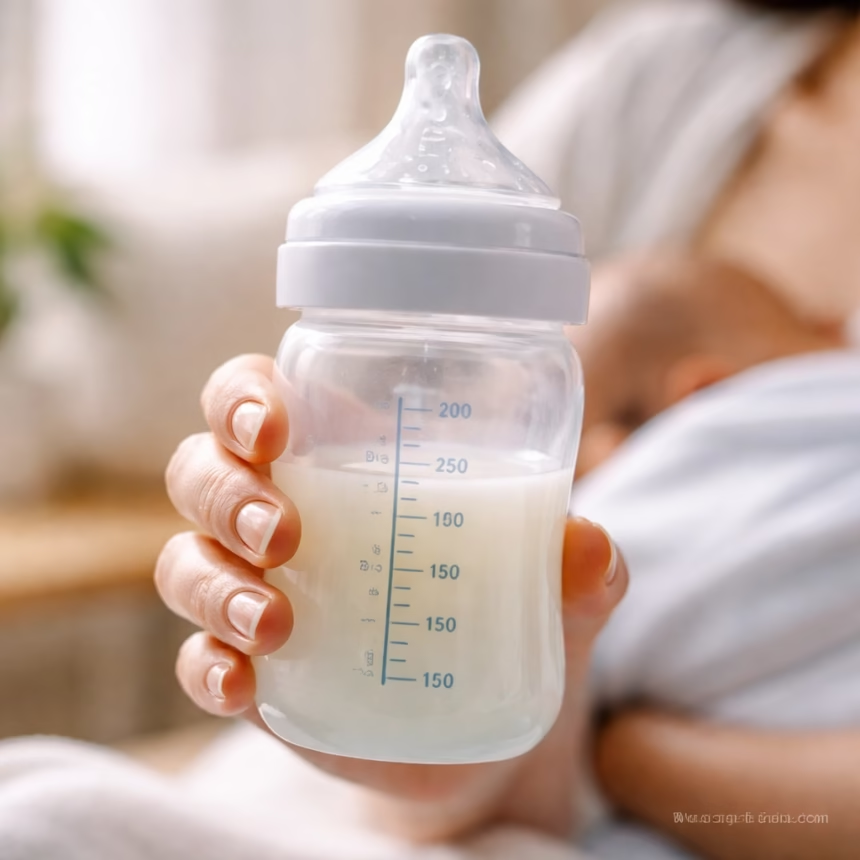
Milky Whites: Understanding Watery Breast Milk
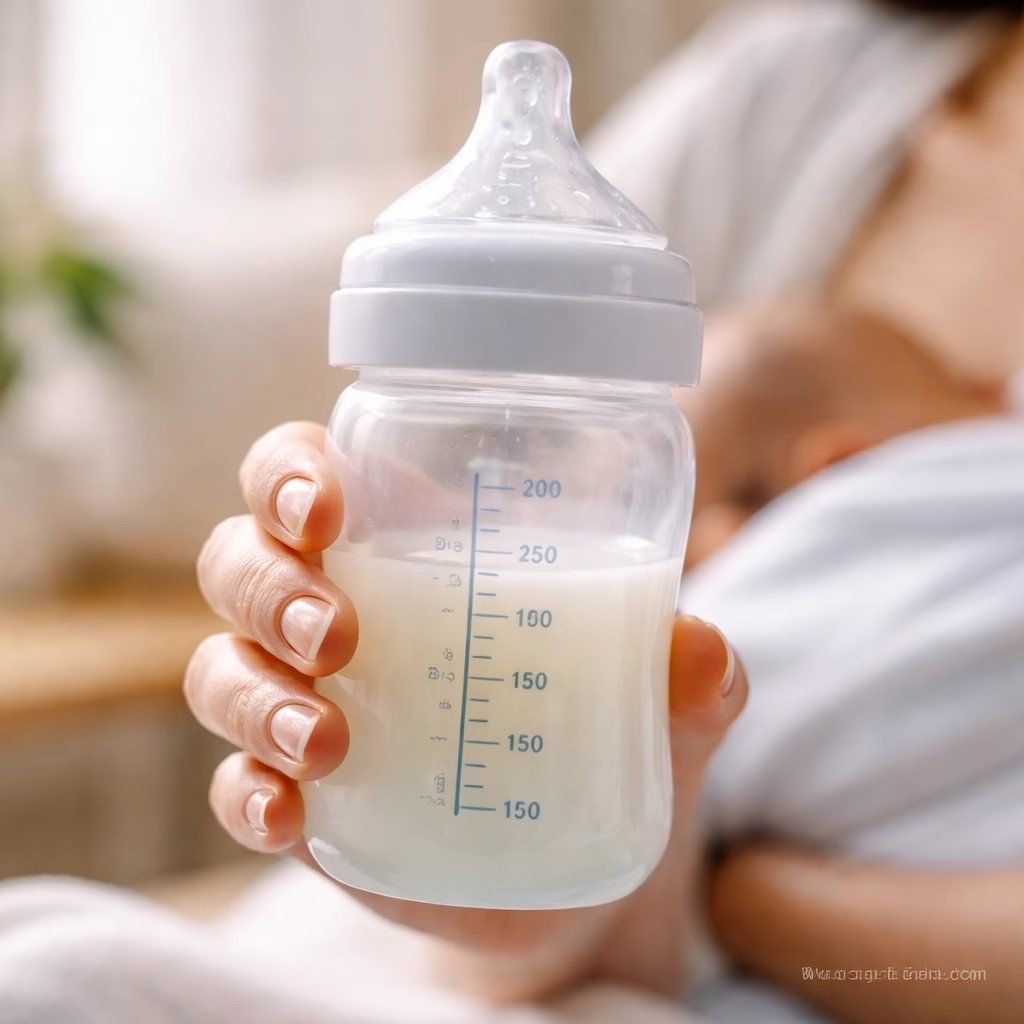
Many new mothers in Malaysia are observing a change in their breast milk's consistency, noting a more watery appearance. This phenomenon, while potentially concerning, is often a normal part of breastfeeding and indicates the body is adapting to the baby's needs. Experts are shedding light on this shift and reassuring parents about its benefits.
Background: The Evolution of Breast Milk
Breast milk isn't a static substance. Its composition changes throughout a feeding session and over the course of a baby’s growth. The initial milk, known as colostrum, is produced in the days following childbirth (typically between 3-5 days postpartum). Colostrum is thick and yellowish, packed with antibodies and vital nutrients for newborns. After colostrum, the milk transitions to mature milk, which further adapts to the baby's developmental stage.
Mature milk is divided into foremilk and hindmilk. Foremilk, produced at the beginning of a feeding, is more watery and hydrating, helping to quench the baby’s thirst. Hindmilk, produced later in the feeding, is richer in fat and calories, promoting growth. This dynamic process continues throughout the breastfeeding journey, adjusting to the infant's demand.

Recent Developments: A Shift in Consistency
Increasingly, new mothers in Malaysia are reporting a noticeable increase in the watery appearance of their foremilk. This shift is often observed around the first few weeks of breastfeeding, particularly if the baby is feeding frequently. While anecdotal observations have been circulating on online parenting forums for some time, recent discussions within Malaysian breastfeeding support groups and with healthcare professionals have brought the topic to the forefront.
Healthcare professionals emphasize that this change is a natural physiological response. The body is efficiently meeting the baby's hydration needs with the foremilk, allowing the hindmilk – rich in fat – to be reserved for satiety and growth.
Impact: Reassurance for New Mothers
The change in milk consistency can understandably cause anxiety for new mothers. Concerns often arise about whether the baby is getting enough nourishment. However, experts consistently reassure that a watery appearance in foremilk is generally a positive sign.
More Read

Dr. Siti Aminah, a lactation consultant based in Kuala Lumpur, explains, "The watery foremilk is perfectly normal and crucial for hydration. The baby will instinctively feed longer to receive the richer hindmilk. As long as the baby is gaining weight appropriately and appears content, there's no cause for alarm."
It’s important for mothers to focus on feeding cues – such as rooting, sucking, and swallowing – and weight gain monitoring, rather than solely relying on milk appearance. Regular check-ups with a paediatrician are also recommended to ensure healthy growth and development.
What Next: Continued Monitoring and Support
The shift in milk consistency is typically a temporary phase. As the baby grows and their feeding patterns evolve, the balance between foremilk and hindmilk will naturally adjust. However, it's vital for mothers to continue monitoring their baby's weight gain and overall well-being.
Key Indicators of Healthy Growth
Consistent weight gain as recommended by the pediatrician.
Adequate number of wet and soiled diapers.
Contentment and satisfaction after feedings.
Good energy levels and alertness.
Support networks, including breastfeeding support groups and lactation consultants, play a crucial role in providing mothers with accurate information and emotional support during this transition. Organizations like the Malaysian Breastfeeding Association (MBA) offer resources and guidance to mothers across the country. The MBA has been actively promoting awareness campaigns about normal breastfeeding variations since 2022, addressing common concerns and dispelling misconceptions related to milk appearance.
Ongoing research continues to refine our understanding of breast milk composition and its impact on infant health. While the watery appearance of foremilk is a well-established phenomenon, further studies are exploring the nuances of milk composition and its relationship to various infant health outcomes.