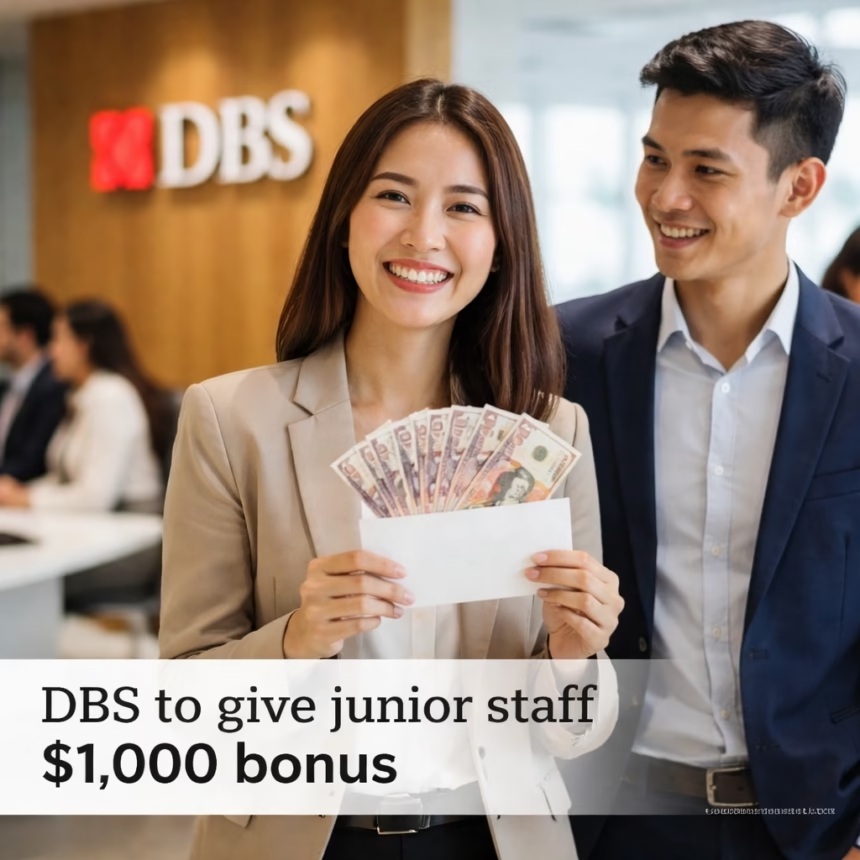
DBS Bank, Southeast Asia's largest financial institution, has announced a special one-off bonus of S$1,000 for its junior employees. This significant initiative is set to benefit nearly 6,800 staff members across Singapore, providing timely financial relief and recognition. The announcement, made in early 2024, comes amidst a period of persistent inflationary pressures and a rising cost of living in the city-state.
Background: A Climate of Economic Change and Corporate Success
The decision by DBS to disburse a special bonus is set against a backdrop of both challenging economic conditions and the bank's own robust financial performance. Globally, economies have grappled with inflation, supply chain disruptions, and interest rate hikes in recent years, impacting household budgets worldwide. Singapore, a highly open economy, has not been immune to these pressures, with the cost of living becoming a significant concern for many residents, particularly those in lower to middle-income brackets.
Singapore’s Economic Landscape
For much of 2023 and into early 2024, Singapore experienced elevated inflation rates, particularly in areas like food, housing, and transport. The Monetary Authority of Singapore (MAS) has taken measures to tighten monetary policy, aiming to curb price increases. Despite these efforts, the daily financial burden on individuals and families has remained palpable. Public discourse frequently highlights the challenges faced by residents in managing escalating expenses, making any form of financial relief highly welcomed.
DBS’s Stellar Financial Performance
In stark contrast to the broader economic headwinds faced by consumers, DBS Bank has consistently delivered strong financial results. The bank reported record profits in 2023, driven by higher interest rates and robust loan growth. This exceptional performance has positioned DBS as a leader in the regional banking sector, demonstrating its resilience and strategic acumen even in volatile markets. The bank's ability to generate substantial earnings provides the financial capacity for initiatives such as this special bonus, allowing it to share its success with its workforce.
Key Developments: The Bonus Unveiled
The announcement of the S$1,000 special bonus was met with considerable positive reaction. DBS outlined the specific criteria for eligibility and articulated the rationale behind this employee-centric move.
More Read

Eligibility Criteria Defined
The bonus is specifically targeted at junior staff members. While DBS did not disclose the exact salary bands or job grades, the focus is clearly on employees who typically earn less and are more susceptible to the impact of inflation. This strategic targeting ensures that the financial assistance reaches those who are likely to benefit most from it, reinforcing a sense of fairness and support within the organisation. The nearly 6,800 beneficiaries in Singapore represent a substantial portion of DBS's local workforce, underscoring the widespread impact of this initiative.
Acknowledging Cost of Living Pressures
DBS explicitly stated that the bonus is intended to help its junior employees cope with the rising cost of living. This direct acknowledgment from a major corporate entity resonates deeply with the experiences of many Singaporeans. By linking the bonus to economic realities, DBS positions itself not just as an employer but as a supportive partner in its employees' financial well-being. This move goes beyond standard performance-based bonuses, reflecting a broader commitment to employee welfare in a challenging economic climate.
A Holistic Approach to Employee Welfare
This special bonus is not an isolated incident but rather fits into DBS's broader philosophy of employee engagement and well-being. The bank has historically invested in talent development, training, and a comprehensive benefits package. This one-off payment complements these existing efforts, demonstrating a proactive and responsive approach to the immediate needs of its staff. It reinforces DBS's reputation as a preferred employer, capable of attracting and retaining top talent in a competitive market.
More Read

Impact: Ripple Effects Across the Workforce and Beyond
The S$1,000 special bonus is expected to have a multifaceted impact, extending from individual employees to the broader industry and economy.
Boosting Staff Morale and Loyalty
For the nearly 6,800 junior staff members, the S$1,000 bonus represents more than just an additional sum of money; it is a tangible expression of appreciation and recognition. Such gestures significantly boost employee morale, fostering a stronger sense of loyalty and commitment to the organisation. In a competitive talent landscape, retaining skilled employees is crucial, and initiatives like this can play a vital role in reducing turnover and enhancing overall workplace satisfaction. Employees who feel valued are more likely to be engaged, productive, and advocate positively for their employer.
Financial Relief for Households
In practical terms, an additional S$1,000 can provide substantial relief for junior staff and their families. This amount can contribute towards household expenses, groceries, utilities, transportation, or even savings. For many, it could mean a temporary easing of financial strain, allowing them to manage their budgets more comfortably in the face of persistent inflation. This direct financial injection into thousands of households will have a noticeable, albeit small, positive effect on their immediate purchasing power.
A Potential Catalyst for Industry-Wide Changes
DBS's move could set a precedent within Singapore's financial sector and potentially across other large corporations. Competitors and other major employers might feel pressure to review their own employee compensation and welfare packages to remain competitive in attracting and retaining talent. This could lead to a positive ripple effect, prompting other companies to consider similar one-off payments or enhanced benefits to support their employees through inflationary periods. Such corporate social responsibility initiatives can elevate industry standards for employee treatment.
Enhancing Employer Branding
From an employer branding perspective, this initiative significantly strengthens DBS's image as a responsible and employee-centric organisation. It demonstrates that the bank is willing to share its success with its workforce, especially those most impacted by economic challenges. This positive perception can be invaluable in attracting new talent, particularly younger professionals who often seek employers with strong ethical values and a commitment to staff well-being.
What Next: Anticipated Milestones and Future Outlook
Following the announcement, attention now turns to the practical implementation of the bonus and its potential long-term implications.

Immediate Financial Disbursement
The S$1,000 special bonus is expected to be disbursed to eligible employees in the coming weeks, likely accompanying their regular pay cycle in early 2024. The timely payment ensures that the financial relief reaches employees when it is most needed, aligning with the bank's stated objective of helping staff cope with current living costs. This prompt action reinforces the sincerity of the bank's commitment.
Setting a Precedent for Corporate Responsibility
While this is a one-off bonus, it raises questions about the future of employee compensation strategies within large corporations. Will such special payouts become a more regular feature during periods of high inflation or exceptional corporate performance? This move by DBS could signal a shift towards more dynamic and responsive compensation models that go beyond annual increments and performance bonuses, incorporating broader economic factors and employee welfare considerations. It could encourage a more proactive approach to corporate social responsibility, where companies actively contribute to the financial stability of their workforce.
Market Reaction and Talent Retention
The banking sector in Singapore is highly competitive, with a constant battle for skilled talent. This bonus could give DBS an edge in talent retention, making its employees less likely to seek opportunities elsewhere, at least in the short term. Competitors will be closely observing the impact on DBS's workforce morale and retention rates, potentially influencing their own future compensation strategies. The move reinforces the importance of a holistic employee value proposition, where remuneration, benefits, and a supportive work environment all play critical roles.
Broader Economic Implications
While the S$1,000 bonus for 6,800 staff members is a significant sum, its direct impact on Singapore's overall economy will be modest. However, it contributes to aggregate demand and consumption, albeit on a small scale. More importantly, it sends a strong signal about the role of large corporations in supporting their employees through economic fluctuations, potentially inspiring similar actions across other industries. This collective effort, if replicated, could have a more substantial positive effect on national economic resilience and social equity.
DBS Bank's decision to award a S$1,000 special bonus to its junior staff is a noteworthy development in Singapore's corporate landscape. It underscores a commitment to employee welfare, acknowledges the realities of economic pressures, and sets a potential benchmark for corporate responsibility within the financial sector and beyond. As the bonus is disbursed, its immediate impact on thousands of households will be felt, while its broader implications for industry practices and employer-employee relationships will continue to unfold.