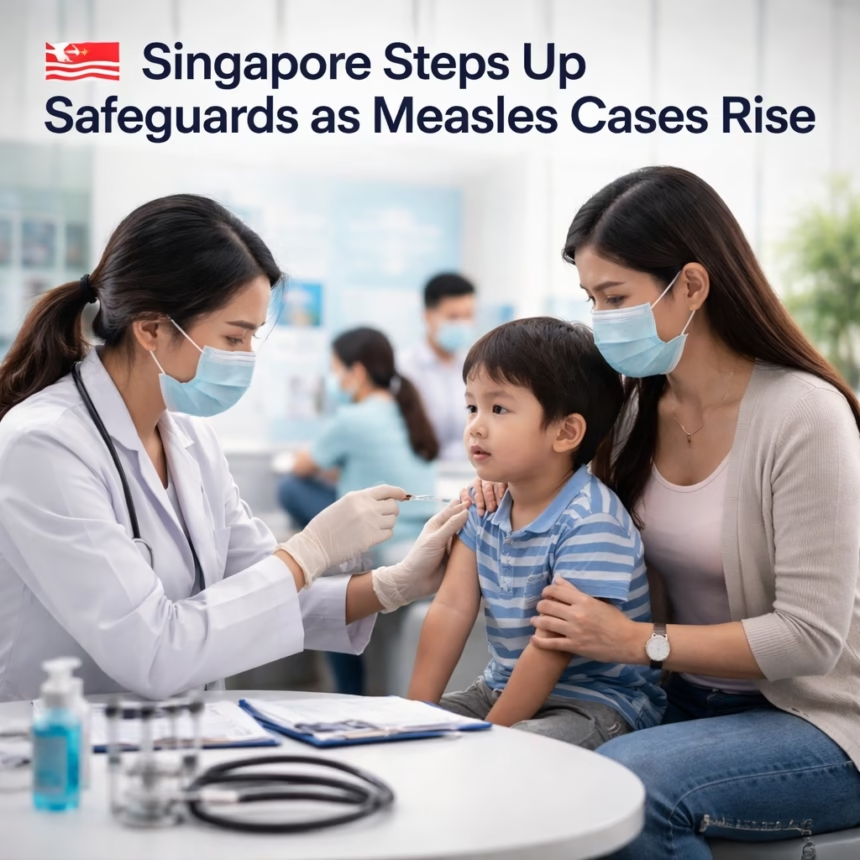
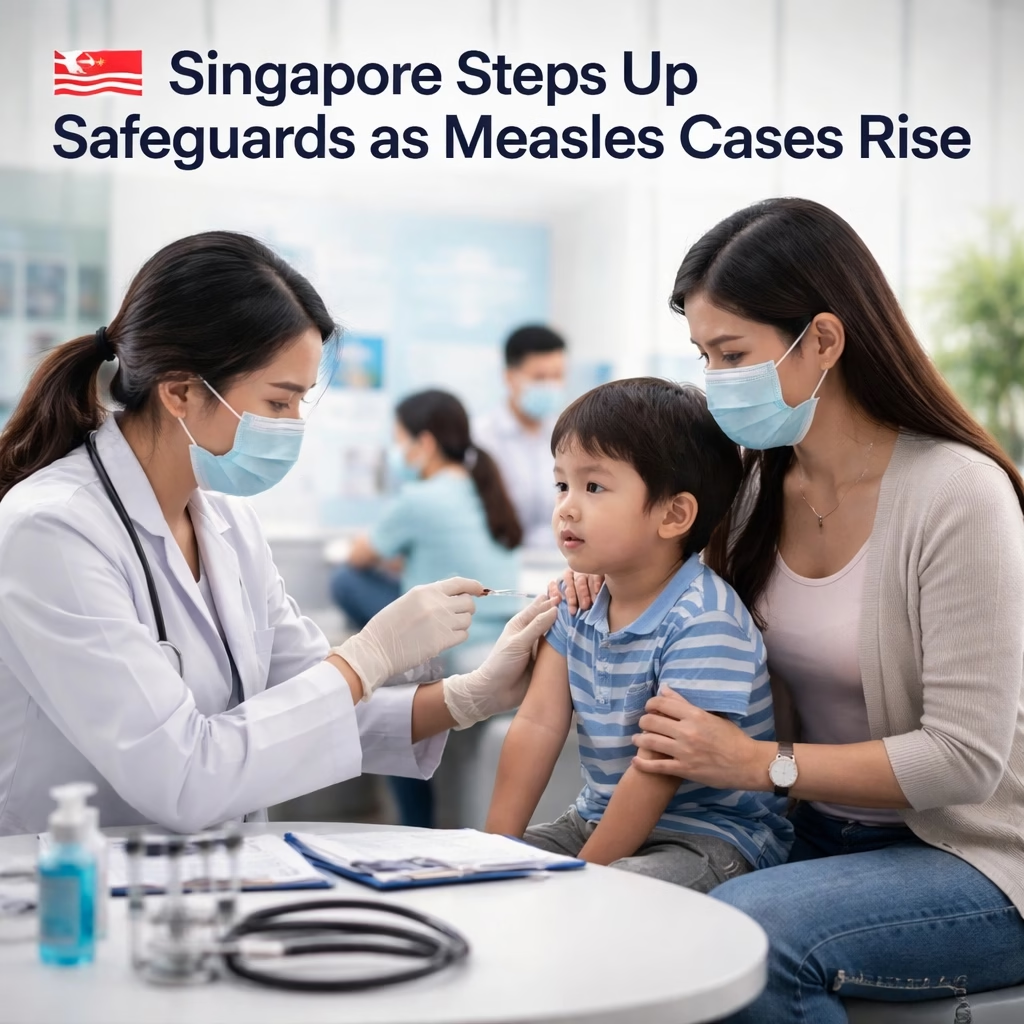
Singapore's Ministry of Health (MOH) has intensified its public health safeguards in response to a recent uptick in local measles cases, reflecting a concerning global surge. The proactive measures aim to protect the population and prevent wider community transmission across the island nation, effective immediately following recent announcements. This strategic reinforcement underscores Singapore's commitment to maintaining its high public health standards amidst evolving global health challenges.
Background: A Resurgent Threat to a Vaccinated Nation
For decades, Singapore has maintained an exemplary record in controlling vaccine-preventable diseases, including measles. The nation boasted a high two-dose Measles, Mumps, and Rubella (MMR) vaccination coverage, typically exceeding 95% for children, allowing it to achieve and sustain measles elimination status by World Health Organization (WHO) criteria. This success meant local measles cases were historically rare, often linked to imported infections quickly contained.
However, the global landscape has shifted dramatically. The WHO reported a significant increase in measles cases worldwide in 2023 and early 2024, driven by pandemic-related disruptions to routine immunisation programmes and rising vaccine hesitancy in some regions. This global resurgence has inevitably heightened the risk of imported cases into Singapore, challenging its robust defence mechanisms.
In the first quarter of 2024, Singapore registered a notable increase in confirmed measles infections, surpassing the total number of cases observed in previous full years. While the exact figure remains dynamic, the trend indicated a concerning shift from sporadic imported cases to a growing number of locally transmitted infections, often traceable to unvaccinated individuals or those with incomplete vaccination histories. Many of these local transmissions have occurred within households or close-contact settings, primarily affecting unvaccinated infants too young for their first MMR dose, immunocompromised individuals, and adults who may have missed their vaccinations. This rise prompted the MOH to re-evaluate and strengthen existing public health protocols to avert a larger outbreak.
Key Developments: Singapore’s Enhanced Safeguards
In response to the escalating situation, the MOH has rolled out a series of enhanced safeguards, targeting various aspects of public health management from surveillance to vaccination. These measures reflect a multi-pronged approach designed to quickly identify, isolate, and prevent further spread of the highly contagious virus.
Heightened Surveillance and Contact Tracing
A cornerstone of the new strategy is the significant enhancement of surveillance capabilities. Healthcare providers across all sectors, including general practitioners (GPs), polyclinics, and hospitals, have received updated advisories on heightened suspicion for measles. They are now urged to immediately test and report any suspected cases presenting with classic symptoms such as fever, rash, cough, runny nose, and red eyes. Rigorous and rapid contact tracing efforts have been intensified for all confirmed cases, aiming to identify and assess the vaccination status of close contacts within hours. Unvaccinated or incompletely vaccinated close contacts are now subject to stricter quarantine measures and offered post-exposure prophylaxis where appropriate.
Public and Healthcare Provider Advisories
The MOH has issued comprehensive public advisories emphasising the critical importance of full MMR vaccination for all eligible individuals. These advisories are disseminated through various channels, including official websites, social media, and community outreach programmes. Specific guidance has been provided for parents of young children, urging them to ensure their children receive their MMR doses on schedule (at 12 months and 15-18 months of age). Furthermore, healthcare providers have been equipped with detailed protocols for diagnosis, management, and reporting, ensuring a standardised and swift response across the entire healthcare system.
Targeted Vaccination Drives
Recognising gaps in vaccination coverage as a primary vulnerability, the MOH is exploring targeted vaccination drives. While Singapore's overall childhood vaccination rates remain high, efforts are being made to identify and reach out to specific segments of the population who may be unvaccinated or under-vaccinated. This includes older children and adults who might have missed doses, as well as new residents who may not have received full immunisation in their home countries. Catch-up vaccination campaigns are being planned, making it easier for individuals to access MMR vaccines at polyclinics and participating GP clinics.
More Read
Travel Advisories and Border Health
Given the significant role of imported cases, travel advisories have been updated. Singaporeans planning overseas travel, particularly to regions experiencing widespread measles outbreaks, are strongly advised to ensure they are fully vaccinated before departure. Similarly, inbound travellers are reminded of Singapore's stringent health requirements and the importance of self-declaration if they develop symptoms upon arrival. While full-scale border health checks specifically for measles symptoms are not yet universal, vigilance at entry points remains a priority, with health declaration cards serving as an initial screening tool.
Impact: Safeguarding the Community
The escalating measles situation and the subsequent public health interventions carry significant implications for various segments of Singapore's population and its healthcare system. The proactive measures aim to mitigate potential widespread disruption and protect the most vulnerable.
Strain on the Healthcare System
While Singapore's healthcare infrastructure is robust, an increase in measles cases inevitably places additional strain on resources. This includes increased demand for diagnostic testing, isolation facilities, and healthcare personnel for case management and contact tracing. Hospitals are preparing for potential increases in measles-related admissions, particularly for complicated cases that may require intensive care. The enhanced surveillance and reporting requirements also add to the workload of frontline healthcare workers and public health officials.
Vulnerability of Unvaccinated and Immunocompromised Individuals
The most direct impact is felt by unvaccinated individuals, including infants too young to receive their first MMR dose (under 12 months) and those who have opted out of vaccination. These groups face the highest risk of infection and severe complications, which can include pneumonia, encephalitis (brain inflammation), and even death. Immunocompromised individuals, regardless of vaccination status, also face heightened risks due to their weakened immune responses. Public health advisories are specifically tailored to these vulnerable groups, urging extreme caution and adherence to preventive measures.
Public Awareness and Behavioural Changes
The intensified public health messaging aims to raise community awareness about measles symptoms, transmission routes, and the critical role of vaccination. This requires the public to be vigilant, recognise symptoms early, and seek medical attention promptly while minimising contact with others to prevent further spread. The measures also encourage behavioural changes, such as improved personal hygiene and adherence to isolation protocols for suspected or confirmed cases. Public cooperation is paramount for the success of these containment efforts.
More Read

What Next: Sustained Vigilance and Long-Term Goals
Singapore's response to the measles surge is an ongoing effort, with several key milestones and long-term objectives guiding its public health strategy. The nation remains committed to its goal of preventing widespread community transmission and maintaining high levels of population immunity.
Continued Monitoring and Epidemiological Review
The MOH will continue its rigorous monitoring of the local and global measles situation. Weekly epidemiological updates will track new case numbers, identify emerging clusters, and assess the effectiveness of implemented safeguards. This continuous review process allows for agile adjustments to public health strategies based on real-time data and evolving epidemiological trends. The insights gained will inform future policy decisions and resource allocation.
Sustained Vaccination Efforts
A primary long-term goal is to sustain and, where necessary, boost MMR vaccination coverage across all eligible age groups. This includes ongoing public education campaigns to address vaccine hesitancy, ensure parents adhere to the recommended childhood immunisation schedule, and encourage adults to check and update their vaccination status. The availability of MMR vaccines at accessible points, such as polyclinics and GP clinics, will be maintained and promoted.
Public Education and Community Engagement
Ongoing public education and community engagement remain crucial. Campaigns will continue to inform residents about the importance of measles vaccination, the signs and symptoms of the disease, and the appropriate actions to take if they suspect an infection. Emphasising personal responsibility in preventing disease spread, such as practicing good hygiene and avoiding contact when unwell, will be a consistent message.
International Collaboration
Singapore will continue to collaborate with international health organisations like the WHO and regional partners to share data, best practices, and epidemiological insights. This international cooperation is vital in understanding and responding to global disease trends, especially for highly contagious diseases like measles that transcend national borders. The exchange of information helps Singapore refine its strategies and contribute to global health security.
Ultimately, Singapore aims to leverage its robust public health infrastructure and high community vaccination rates to contain the current increase in measles cases. The nation's experience with previous public health challenges positions it well to navigate this resurgence, with the overarching goal of safeguarding the health and well-being of its population against this preventable disease.