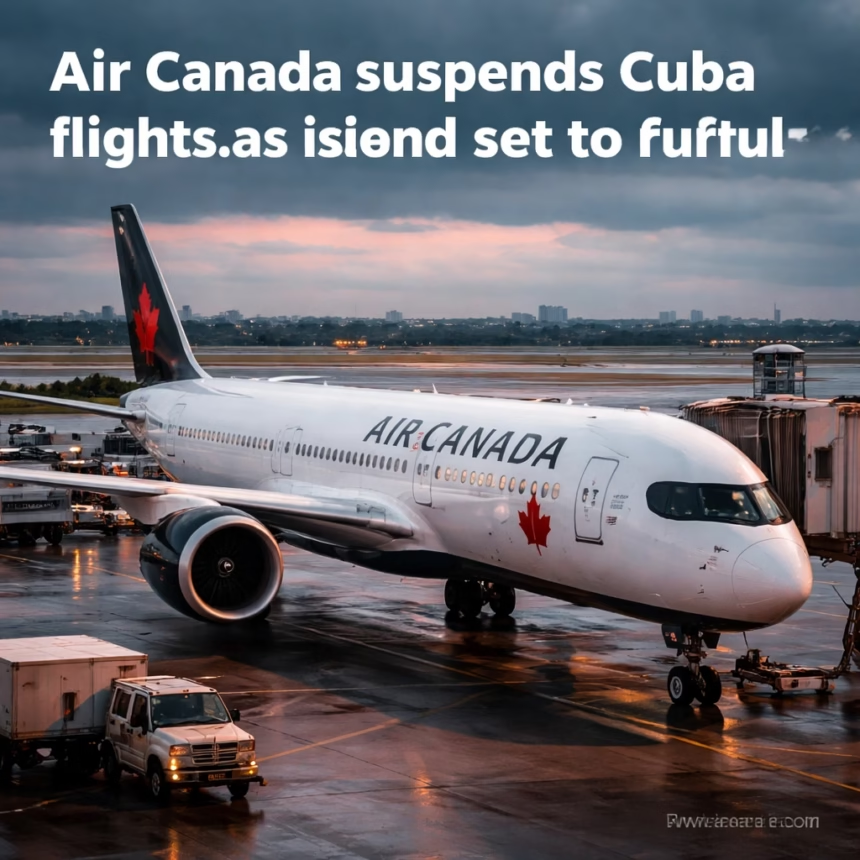
Cuba Travel Chaos: Airlines Pull Flights Amid Fuel Shortage
Air Canada has temporarily suspended its flights to Cuba, citing a looming shortage of jet fuel on the island. The move, announced on August 28, 2023, impacts travel between Canada and several Cuban destinations. This disruption adds to existing challenges for travelers and raises questions about Cuba's energy infrastructure.
Background
Cuba has faced economic difficulties for years, exacerbated by the US embargo and, more recently, the COVID-19 pandemic. These challenges have significantly impacted the country's ability to import essential goods, including fuel. The island nation relies heavily on imported fuel for its transportation, power generation, and industrial needs. Historically, Cuba sourced fuel from Venezuela, but that supply has dwindled considerably in recent years due to Venezuela's own economic crisis. The situation has been steadily worsening since 2021, with reports of increasing fuel scarcity and rationing.
The Cuban government has been attempting to diversify its fuel sources, exploring options from other nations and increasing domestic production where possible. However, these efforts have not yet been sufficient to meet the country's demand, particularly with the increase in tourism in recent months. Tourism is a crucial sector for the Cuban economy, and disruptions to fuel supply directly affect the industry's ability to operate efficiently.
Key Developments
Air Canada was the first major airline to announce the suspension of its Cuba flights, effective August 28th. The airline stated the decision was made after careful consideration of the operational risks presented by the fuel shortage. "The safety of our passengers and crew is always our top priority," Air Canada spokesperson, Shawn Van Nieuwland, said in a statement. "Given the current situation in Cuba, we have made the difficult decision to suspend our flights until further notice."
More Read

Other airlines, including WestJet, have also announced adjustments to their Cuba schedules. WestJet reduced its flights to Cuba starting August 29th, focusing on maintaining essential service while closely monitoring the situation. These airlines are working closely with Cuban authorities and fuel suppliers to assess the potential for resuming flights in the near future.
The Cuban government has acknowledged the fuel shortage and has stated it is working to resolve the issue. They have appealed to international partners for assistance in securing additional fuel supplies. However, no concrete solutions have been announced to date.
More Read

Impact
The flight suspensions are causing significant disruption for travelers planning trips to Cuba. Many tourists are facing uncertainty about their travel arrangements, with some experiencing flight cancellations and delays. Travel agencies are scrambling to rebook flights and assist customers affected by the suspensions.
The tourism industry in Cuba is particularly vulnerable. Reduced flight availability and potential price increases for fuel could deter future visitors, further impacting the country's economy. Hotels, restaurants, and other tourism-related businesses are bracing for a potential downturn in activity.
Beyond tourism, the fuel shortage also affects local Cubans. Limited fuel availability impacts public transportation, businesses, and essential services. Long queues at gas stations are a common sight, and the cost of fuel has increased considerably.
Economic Ramifications
The disruption has wider economic implications. Cuba relies heavily on tourism revenue, which is projected to be a significant contributor to the country’s GDP. Reduced tourism activity will negatively impact foreign currency earnings and hinder the government’s efforts to stabilize the economy.
What Next
The duration of the flight suspensions is uncertain and depends on the Cuban government's ability to secure sufficient fuel supplies. Air Canada and other airlines have stated they will continue to monitor the situation closely and will resume flights once they are confident in the stability of the fuel supply chain.
The Cuban government is expected to continue its efforts to diversify fuel sources and improve domestic production. They are also exploring potential partnerships with international fuel suppliers. However, these efforts will take time to implement and may not provide an immediate solution to the fuel shortage.

Travelers planning to visit Cuba are advised to check with their airlines and travel agencies for the latest updates on flight availability. It is also recommended to be prepared for potential disruptions and to consider alternative travel plans if necessary.
Potential Solutions
Possible solutions being explored include increased imports from nations like Venezuela (if the situation stabilizes there) and strengthening partnerships with other fuel-producing countries. Investment in upgrading Cuba’s refining capacity is another long-term strategy, but requires significant financial resources.