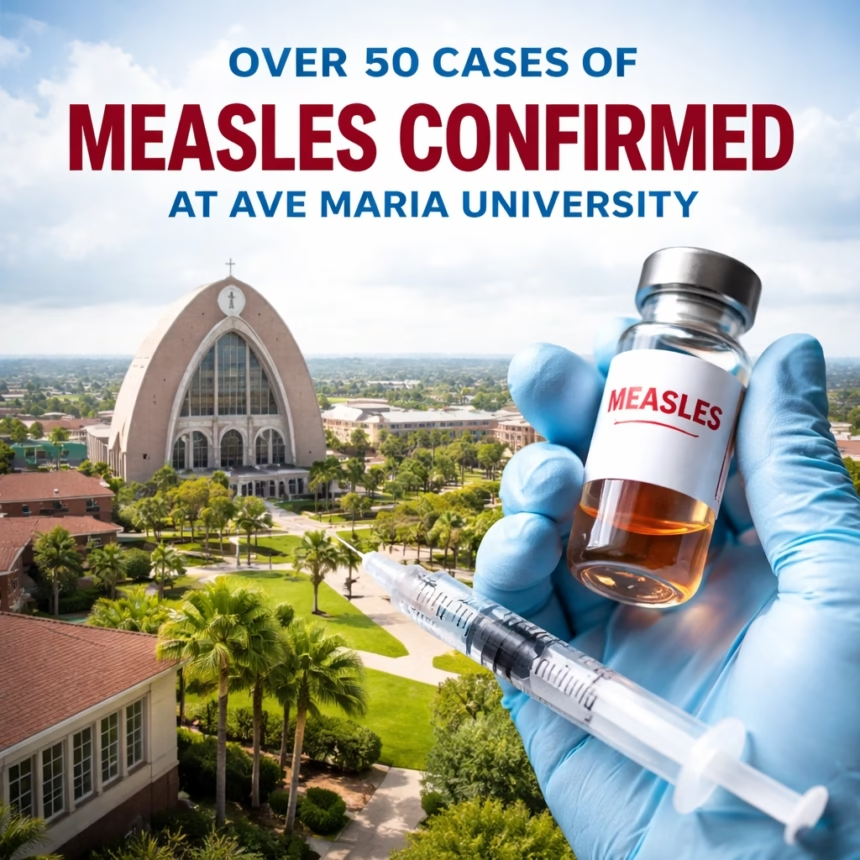
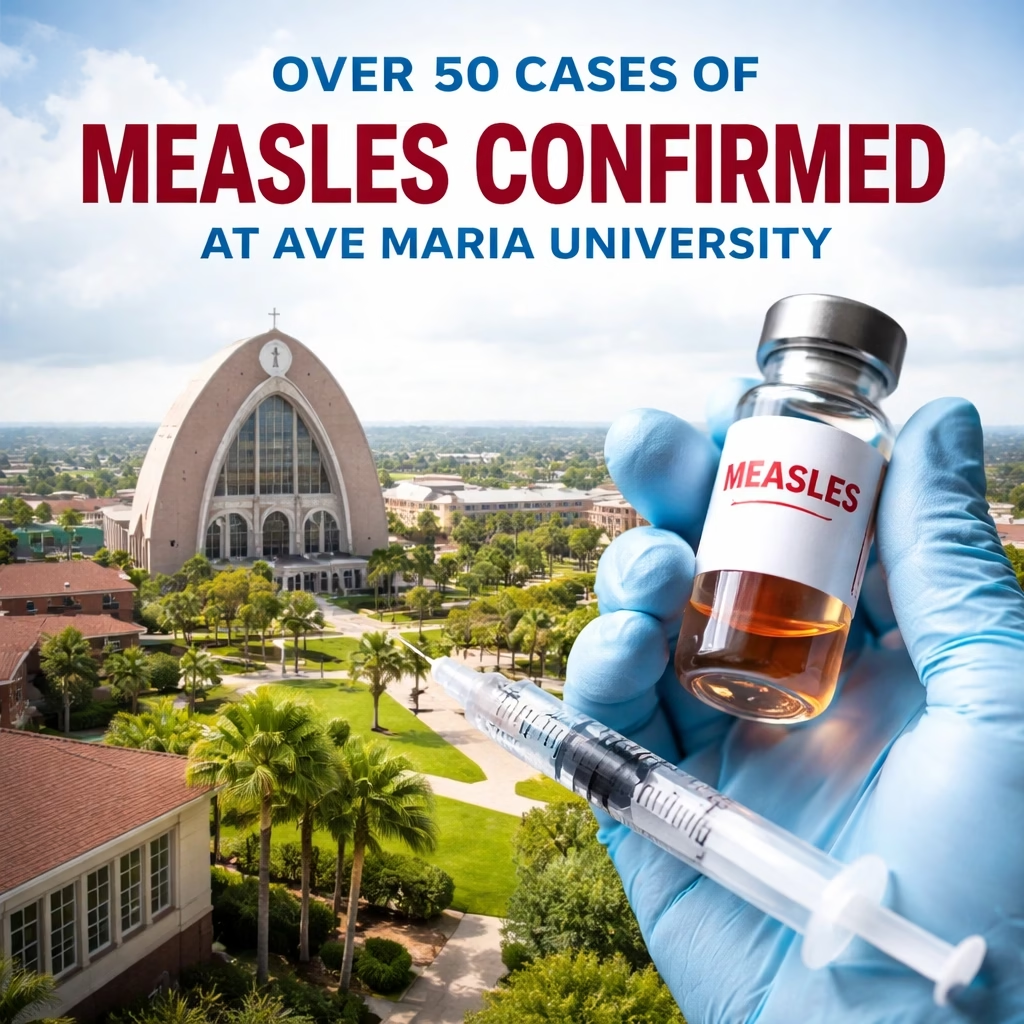
Ave Maria University, a private Catholic institution located in Collier County, Florida, is currently at the epicenter of a significant public health crisis, with confirmed measles cases now exceeding 50 individuals. The rapid spread of this highly contagious viral infection has prompted urgent action from university officials and state health authorities, initiating comprehensive containment and mitigation strategies. This developing situation, unfolding over recent weeks, marks a concerning resurgence of a disease largely controlled in the United States for decades.
Background: A Rapid Escalation
The initial alarm was raised in early March, when the Florida Department of Health (FDOH) confirmed the first cluster of measles cases among students at Ave Maria University. Early investigations suggested that the index case may have been a student returning from international travel, though the exact origin remains under thorough review by public health officials. This initial detection triggered immediate protocols for isolation and contact tracing within the university community.
Understanding Measles
Measles is a highly contagious respiratory disease caused by a virus. It spreads through the air when an infected person coughs or sneezes, and the virus can live in the air and on surfaces for up to two hours. Symptoms typically include a high fever, cough, runny nose, red and watery eyes, and a characteristic rash that appears three to five days after the first symptoms. While often considered a childhood illness, measles can lead to serious complications such as pneumonia, encephalitis (brain swelling), and even death, particularly in vulnerable populations. The disease is preventable with two doses of the measles, mumps, and rubella (MMR) vaccine, which provides about 97% protection.
Early Response and Escalation
Following the initial confirmations, the university, in conjunction with the FDOH, implemented immediate measures. These included isolating symptomatic individuals, identifying close contacts, and advising students and staff on symptoms to watch for. Despite these early efforts, the highly transmissible nature of the virus, combined with the close living quarters and social interactions inherent to a university campus, led to a swift increase in confirmed cases. By mid-March, the number of affected individuals had climbed into the double digits, prompting a more aggressive public health response.
Key Developments: Containment Efforts Intensify
As of late March, the confirmed case count has surpassed 50, making it one of the most significant measles outbreaks in Florida in recent memory. This escalating situation has necessitated a multi-pronged approach involving extensive collaboration between university administration, local healthcare providers, and the Florida Department of Health.
University-Wide Protocols
Ave Maria University has enacted a series of stringent protocols designed to curb further transmission. All students who have tested positive for measles or are exhibiting symptoms have been placed in isolation, either in designated campus facilities or off-campus accommodations, depending on their health status and living arrangements. Additionally, students identified as close contacts of confirmed cases, particularly those without documented immunity to measles, have been advised or mandated to quarantine for 21 days from their last exposure.
The university has also significantly adjusted its academic and social calendar. While core operations continue, certain large gatherings have been postponed or moved online. Enhanced cleaning and sanitization protocols have been implemented across all campus buildings, including dormitories, classrooms, and dining halls. Faculty and staff have been briefed on the situation and advised on precautionary measures, including monitoring their own health and seeking immediate medical attention if symptoms arise.
More Read
Public Health Intervention
The Florida Department of Health has deployed a dedicated team of epidemiologists, nurses, and public health educators to Ave Maria University. This team is actively engaged in comprehensive contact tracing, working tirelessly to identify every individual who may have been exposed to the virus. They are also conducting widespread testing and offering free MMR vaccinations to students, faculty, and staff who lack documented immunity.
FDOH officials have held multiple informational sessions for the university community, providing accurate information about measles, its transmission, and the importance of vaccination. Public health advisories have also been issued to the broader Collier County community, alerting local schools, businesses, and healthcare providers to the outbreak and reinforcing the need for vigilance and up-to-date vaccinations.
Health Status of Affected Individuals
While the majority of confirmed cases have experienced typical measles symptoms and are recovering in isolation, a small number of students have required hospitalization due to more severe complications. These individuals are receiving specialized medical care, and their conditions are being closely monitored. The university and health department are providing support to all affected students, including access to medical care, mental health services, and academic accommodations.
Impact: Ripple Effects Across Campus and Community
The measles outbreak has had far-reaching consequences, extending beyond the immediate health concerns of infected individuals to impact the entire university community and potentially the wider region.
Academic and Social Disruption
Students at Ave Maria University are experiencing significant disruptions to their academic and social lives. Many are facing extended periods of isolation or quarantine, leading to missed classes, altered study routines, and a sense of disconnection. The cancellation or modification of campus events has further impacted the vibrant campus life, fostering an atmosphere of caution and concern. For graduating students, the outbreak poses particular challenges regarding final exams and commencement preparations.
Operational Challenges for the University
The university administration is grappling with immense operational and logistical challenges. Managing isolation and quarantine facilities, coordinating with health officials, providing support services to affected students, and communicating effectively with all stakeholders requires substantial resources and continuous effort. The financial implications of the outbreak, including increased healthcare costs, operational adjustments, and potential reputational damage, are also significant considerations.
More Read

Broader Public Health Concerns
The outbreak at Ave Maria University has raised broader public health concerns about vaccine hesitancy and the re-emergence of preventable diseases. Florida, like several other states, has seen a slight decline in childhood vaccination rates in recent years, making communities more vulnerable to outbreaks. The situation underscores the critical importance of maintaining high vaccination coverage to protect not only individuals but also the wider community, especially those who cannot be vaccinated due to age or medical conditions.
What Next: A Path Towards Containment and Recovery
The immediate focus for Ave Maria University and the Florida Department of Health remains on containing the current outbreak and preventing further spread. This will involve sustained efforts over the coming weeks and months.
Continued Monitoring and Vaccination Drives
Public health officials will continue rigorous surveillance, monitoring for new cases and ensuring that all exposed individuals complete their quarantine periods. A sustained vaccination campaign will be crucial, with ongoing clinics offering MMR vaccines to all eligible members of the university community who lack proof of immunity. Educational initiatives will also persist, aimed at reinforcing the safety and efficacy of the MMR vaccine.
Review of Health Policies
In the aftermath of the outbreak, Ave Maria University is expected to conduct a thorough review of its health and vaccination policies. This may include stricter requirements for student vaccinations, particularly for those living in on-campus housing or participating in certain activities. Such policy changes would align the university with best practices for public health on college campuses, aiming to prevent similar outbreaks in the future.
Long-Term Recovery and Preparedness
The recovery process will extend beyond the immediate containment of the virus. The university will need to address the academic and emotional well-being of its students, offering support services to help them reintegrate and catch up on missed coursework. Lessons learned from this outbreak will be vital in developing more robust emergency response plans and public health protocols, ensuring the university is better prepared for future health crises. The goal is to safely restore normalcy to the campus while implementing measures that safeguard the health of the entire community for the long term.