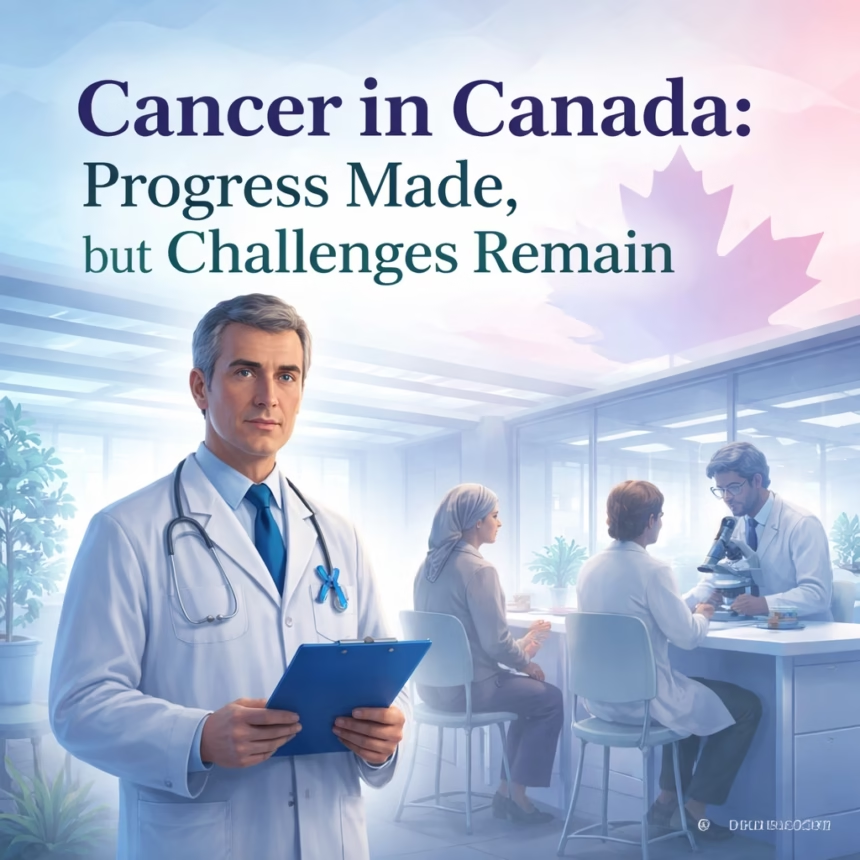
Canada stands at a pivotal moment in its ongoing fight against cancer. Decades of dedicated research, policy reforms, and clinical innovation have dramatically improved patient outcomes nationwide, yet significant disparities and persistent challenges continue to shape the national cancer landscape, prompting a renewed focus on equitable and advanced care.
Background: A National Commitment to Cancer Control
Cancer has long been a leading cause of death in Canada, spurring concerted efforts from medical professionals, researchers, and policymakers. Early initiatives saw the establishment of organizations like the Canadian Cancer Society in 1938, alongside the development of provincial cancer agencies such as Ontario Health (Cancer Care Ontario) and BC Cancer, which began to centralize and standardize care.
A significant milestone arrived in 2006 with the establishment of the Canadian Partnership Against Cancer (CPAC). Mandated to develop and implement a pan-Canadian cancer control strategy, CPAC has played a crucial role in fostering collaboration across provinces and territories, enhancing data collection, supporting national screening programs, and monitoring performance against key indicators. This coordinated approach, combined with advancements in medical science, has contributed to a remarkable decline in cancer mortality rates. Over the past three decades, cancer mortality rates in Canada have fallen by over 30%, a testament to progress in prevention, early detection, and treatment. Despite this, common cancers like lung, breast, colorectal, and prostate continue to account for a substantial proportion of diagnoses.
Key Developments: Revolutionizing Detection and Treatment
Recent years have witnessed an acceleration of breakthroughs, fundamentally reshaping the cancer care pathway in Canada.
More Read

Enhanced Screening and Early Detection
National guidelines and provincial screening programs have been continually refined and expanded. Mammography programs for breast cancer remain central, while cervical cancer screening is transitioning in some regions to more sensitive HPV testing. Colorectal cancer screening, primarily through the Fecal Immunochemical Test (FIT), has also seen widespread adoption, aiming to detect precancerous lesions or early-stage cancers. The integration of artificial intelligence (AI) in radiology and pathology is beginning to improve diagnostic accuracy and efficiency, identifying subtle indicators that might otherwise be missed.
Advancements in Treatment Modalities
The therapeutic landscape has been transformed by several innovative approaches:
- Immunotherapy: This groundbreaking treatment harnesses the body’s own immune system to fight cancer cells. It has revolutionized outcomes for previously hard-to-treat cancers such as melanoma, advanced lung cancer, and specific kidney and bladder cancers, offering durable responses for many patients.
- Targeted Therapies: Through detailed genetic analysis of tumors, precision medicine identifies specific molecular targets driving cancer growth. Drugs are then tailored to attack these targets, minimizing harm to healthy cells. This approach has led to significant improvements in outcomes for certain breast cancers (e.g., HER2-positive), lung cancers with specific mutations, and various leukemias.
- CAR T-cell Therapy: A highly specialized form of immunotherapy, CAR T-cell therapy involves genetically engineering a patient’s own T-cells to recognize and destroy cancer cells. This complex treatment is now available in several Canadian provinces for specific types of blood cancers, offering a new lifeline for patients who have exhausted other options.
- Advanced Radiation Therapy: Techniques like Stereotactic Body Radiation Therapy (SBRT) and Intensity-Modulated Radiation Therapy (IMRT) deliver highly precise radiation doses, concentrating energy on tumors while sparing surrounding healthy tissue, thereby reducing side effects and improving quality of life. Proton therapy, offering even greater precision, is also emerging in specific Canadian centres.
Data-Driven Innovation
The Pan-Canadian Cancer Data Strategy is actively working to create a more integrated and comprehensive data ecosystem, which is vital for research, policy development, and improving care delivery. This robust data infrastructure, coupled with the increasing application of AI and machine learning, is poised to enhance early detection, personalize treatment plans, and accelerate drug discovery.
More Read

Impact: Progress Amidst Persistent Disparities
The collective impact of these efforts is undeniable. Canada’s overall 5-year net survival rate for all cancers combined has risen significantly, now exceeding 60%, reflecting a tangible improvement in patient longevity and quality of life.
However, this progress is not uniformly distributed, and significant challenges remain, particularly concerning equity in access and outcomes:
Geographic Disparities: Patients in rural and remote communities often face considerable barriers to accessing specialized diagnostic equipment, timely consultations with oncologists, and advanced treatments, frequently requiring extensive travel and disrupting their lives.
Socioeconomic Status: Lower-income populations tend to experience poorer cancer outcomes, including lower rates of screening participation, later diagnoses, and challenges with treatment adherence, often compounded by systemic barriers and limited resources.
Indigenous Populations: First Nations, Inuit, and Métis communities disproportionately bear a higher burden of certain cancers, such as cervical, colorectal, and lung cancers. They are often diagnosed at later stages and encounter systemic barriers to culturally safe and equitable care, leading to poorer survival rates.
Stubborn Cancers: While progress has been made across many cancer types, some cancers like pancreatic, esophageal, and certain brain cancers continue to have stubbornly low survival rates, highlighting the urgent need for continued research and novel therapeutic strategies.
Patient Experience: Despite advancements, challenges persist for patients, including wait times for diagnosis and treatment, variable access to the newest drugs across different provincial formularies, and the significant financial and psychological burden of a cancer diagnosis and its long-term management.
What Next: Charting a Course for Equitable and Advanced Care
Looking ahead, Canada’s cancer control strategy is focusing on several key areas to build on existing progress and tackle remaining challenges.
Prioritizing Equity and Access
A central focus is on addressing disparities. CPAC and provincial agencies are developing targeted strategies, including specific Indigenous cancer care plans designed in partnership with Indigenous communities, and expanding virtual care options to improve access for remote populations. Efforts are also underway to reduce socioeconomic barriers to care and ensure all Canadians benefit from advancements.
Strengthening Prevention Efforts
Prevention remains a cornerstone of cancer control. Public health campaigns will continue to emphasize reducing modifiable risk factors, including further tobacco control initiatives, promoting healthy lifestyles (physical activity, balanced diet, limited alcohol consumption), and expanding HPV vaccination coverage to prevent associated cancers.

Expanding Precision Oncology
The integration of genomic testing as a standard practice is expected to broaden, ensuring equitable access to personalized treatment plans across all provinces. This will involve ongoing investment in genomic sequencing infrastructure and training for healthcare professionals.
Leveraging AI and Big Data
Further integration of AI and machine learning in diagnostics, treatment planning, and drug discovery is anticipated. This will necessitate robust data governance, privacy protocols, and continued investment in advanced computational infrastructure to fully realize the potential of these technologies.
Accelerating Clinical Trials and Survivorship Care
Increasing Canadian participation in innovative clinical trials will accelerate access to cutting-edge therapies for patients. Concurrently, there will be a greater emphasis on developing comprehensive survivorship programs to address the long-term physical, psychological, and social impacts of cancer and its treatment, ensuring a better quality of life for survivors.
Pan-Canadian Collaboration
Continued and strengthened inter-provincial cooperation is vital to share best practices, optimize resource allocation, and ensure consistent, high-quality cancer care from coast to coast. This collaborative spirit will be crucial in navigating the evolving landscape of cancer research and treatment, ultimately benefiting all Canadians.