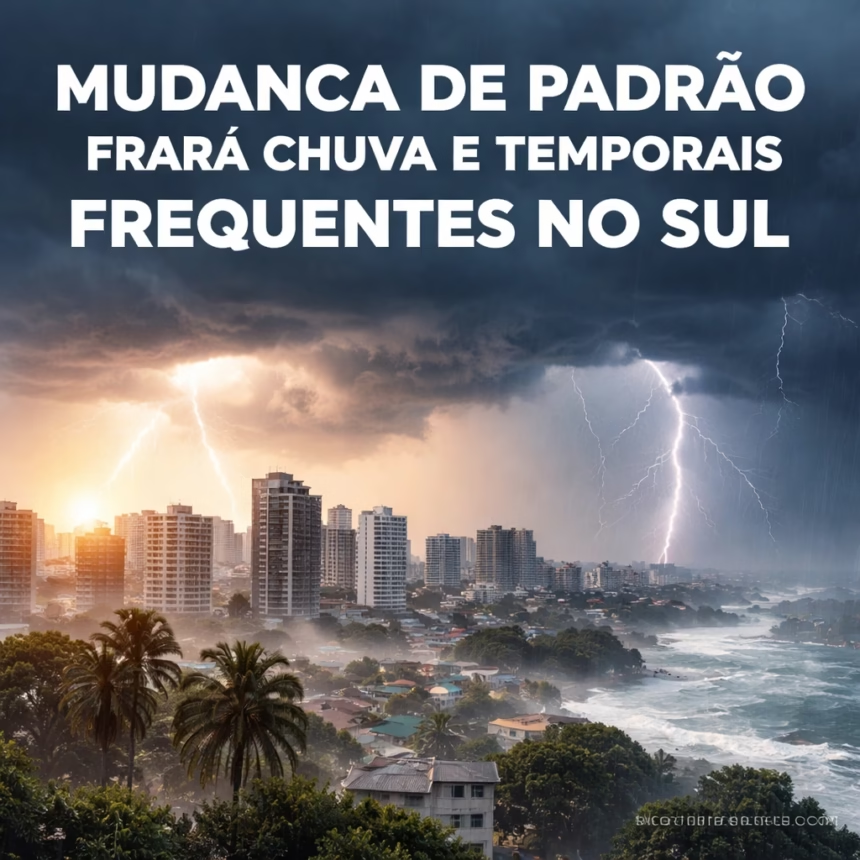
South Brazil Braces for a Wet Season: Is This the New Normal?
The southern region of Brazil is experiencing a shift in weather patterns, leading to an increase in rainfall and more frequent thunderstorms. This change, observed since late 2023, is prompting concerns about potential impacts on agriculture, infrastructure, and daily life in states like Paraná, Santa Catarina, and Rio Grande do Sul.
Background: A History of Rainfall
Historically, Southern Brazil has experienced distinct seasons, with a drier period from April to September and a wetter period from October to March. However, climate scientists have been predicting changes in these patterns for years, largely attributed to the influence of El Niño and broader shifts in global climate.
The region has seen variable rainfall patterns in recent decades, with some years experiencing severe droughts and others facing intense flooding. The average annual rainfall in some areas of Paraná, for example, ranges from 1.200 to 1.600 mm.
The Shift: What’s Changing?
Recent observations indicate a departure from the traditional seasonal cycle. Instead of a clear dry period, the region is experiencing a more prolonged period of increased rainfall and instability. This is particularly noticeable since late November 2023.
More Read

Meteorological models suggest that a combination of factors is contributing to this shift. The weakening of the South Atlantic Subtropical High pressure system, a dominant feature of the region's weather, is allowing for more frequent incursions of moisture from the Atlantic Ocean. Additionally, the ongoing influence of El Niño – characterized by warmer-than-average sea surface temperatures in the central and eastern tropical Pacific – is altering atmospheric circulation patterns.

Specifically, the increased frequency of low-pressure systems moving across the region is bringing with it heavy rainfall and strong winds. Data from the National Institute of Meteorology (INMET) shows a significant increase in the number of days with rainfall exceeding 50 mm in several cities across the region compared to the average for the same period in previous years. For instance, Porto Alegre, Rio Grande do Sul, has recorded significantly above-average rainfall throughout December and January.
More Read

Impact: Challenges for the Region
The increased rainfall is having a wide-ranging impact on Southern Brazil. Agriculture is particularly vulnerable, with potential losses for crops such as soybeans, corn, and sugarcane. Flooding has already affected several municipalities, leading to road closures, damage to infrastructure, and displacement of residents.
Rio Grande do Sul has been especially hard hit, with several rivers exceeding their capacity and inundating surrounding areas. The state government has declared states of emergency in multiple municipalities, mobilizing resources for rescue and relief efforts.
Beyond agriculture and infrastructure, the change in weather patterns also presents challenges for public health. Increased rainfall can lead to the spread of waterborne diseases, and flooding can contaminate water supplies. The risk of landslides is also elevated in areas with steep terrain.
Agricultural Sector
Farmers are facing difficulties in planting and harvesting crops due to the unpredictable weather. Delayed planting schedules and potential crop damage are major concerns. The cost of mitigating the impact of the increased rainfall, such as drainage systems and protective measures, is adding to the financial burden on agricultural producers.
Infrastructure
Roads, bridges, and other infrastructure are under increased strain from the heavy rainfall. Several roads have been closed due to flooding and landslides, disrupting transportation and commerce. The long-term impact of the increased rainfall on infrastructure requires significant investment in maintenance and upgrades.
Looking Ahead: What to Expect
Meteorologists predict that the increased rainfall and thunderstorm frequency will continue throughout the coming months. The El Niño pattern is expected to persist, and the weakening of the South Atlantic Subtropical High is likely to remain a dominant feature of the region's weather.

The National Weather Service (INMET) is closely monitoring the situation and issuing regular forecasts and warnings. They are also working to improve climate models to better predict future weather patterns in the region.
While the exact duration and intensity of the wet season remain uncertain, experts believe that the shift in weather patterns may be a long-term trend. This means that Southern Brazil will need to adapt to a new climate reality, which includes increased rainfall, more frequent thunderstorms, and a greater risk of extreme weather events. Long-term planning for infrastructure, agriculture, and disaster preparedness will be crucial in mitigating the impacts of this change.
Long-Term Adaptations
Future strategies may include investing in improved drainage systems, developing climate-resilient crops, and implementing early warning systems for floods and landslides. Promoting sustainable land management practices and strengthening community preparedness will also be essential in building resilience to the changing climate.