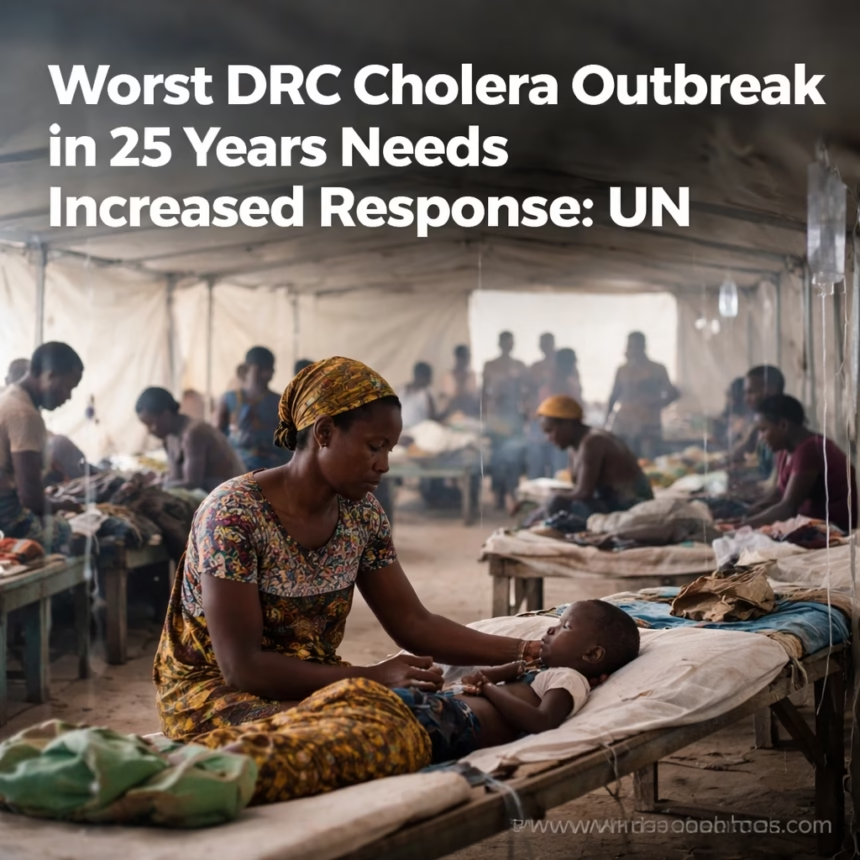
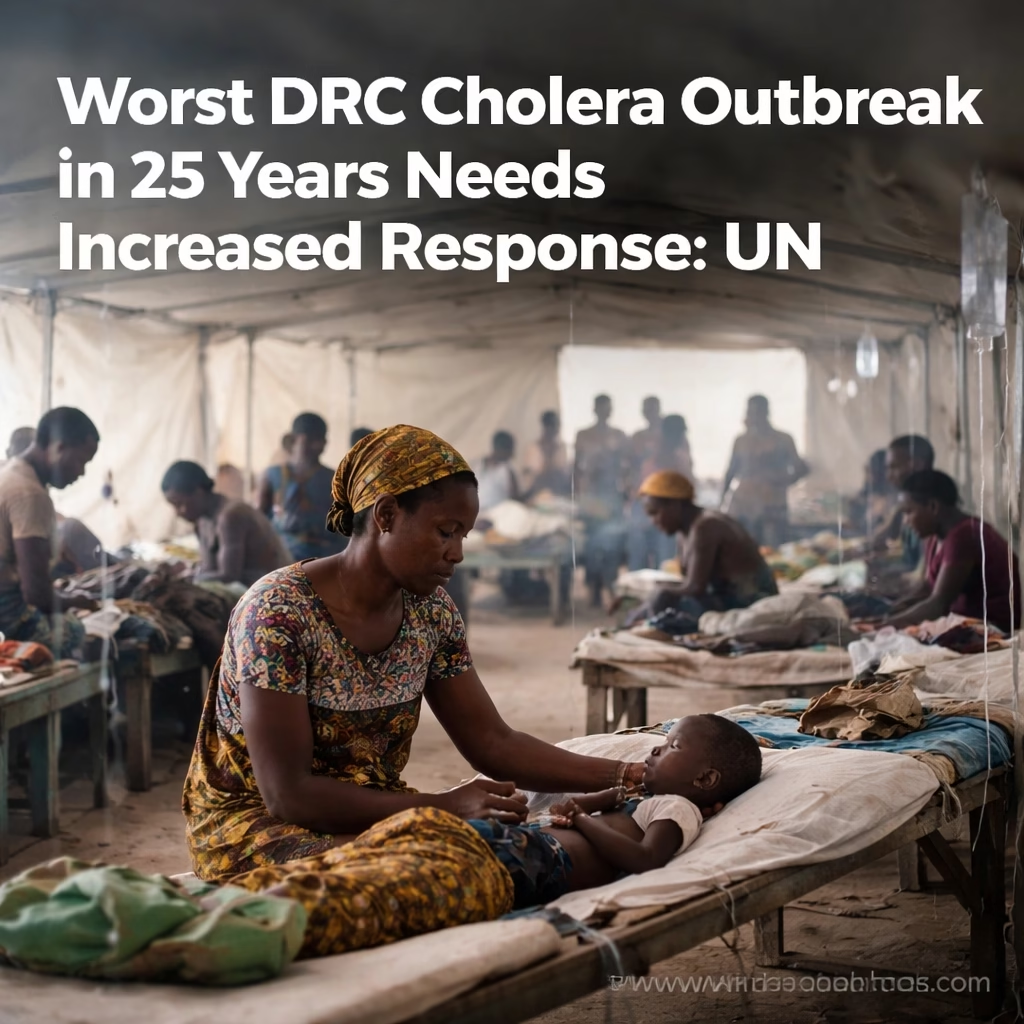
The Democratic Republic of Congo (DRC) is grappling with its most severe cholera outbreak in a quarter-century, prompting an urgent call from the United Nations for a dramatically increased international response. Since early 2023, the vast Central African nation has witnessed a relentless surge in cases, overwhelming its fragile health infrastructure and endangering millions, particularly in conflict-ridden eastern provinces. This escalating crisis demands immediate and sustained global attention to avert a wider catastrophe.
A Nation Under Siege: Cholera’s Persistent Threat
Cholera, an acute diarrheal infection caused by ingesting contaminated food or water, can kill within hours if left untreated. For decades, the DRC has battled recurring outbreaks, but the current surge marks an unprecedented level of severity and geographical spread. The nation's vulnerability stems from a confluence of factors: protracted conflict, mass displacement, widespread poverty, and critically inadequate access to clean water, sanitation, and hygiene (WASH) facilities.
Historical Context and Endemicity
Cholera is endemic in many parts of the DRC, meaning it is consistently present within the population. The country experiences seasonal peaks, often linked to rainy seasons and population movements. Previous significant outbreaks, such as the one in 2017, saw thousands affected, but the current trajectory surpasses these benchmarks. The constant cycle of violence in the eastern provinces, particularly North Kivu, South Kivu, and Ituri, has created fertile ground for the disease. Millions of people have been displaced, often multiple times, forced into overcrowded camps with minimal sanitation, making them highly susceptible to waterborne diseases.
Underlying Vulnerabilities
The DRC ranks among the countries with the lowest access to improved sanitation globally, and a significant portion of its population lacks access to safe drinking water. These structural deficiencies are compounded by a chronically underfunded health system, a severe shortage of healthcare professionals, and limited logistical capacity, especially in remote areas. Political instability and insecurity further hinder humanitarian access and the delivery of essential services, allowing the disease to spread unchecked.
Escalating Crisis: Key Developments and Geographic Spread
The current outbreak began to intensify in early 2023, rapidly spreading from its traditional strongholds in the eastern provinces to central and even western parts of the country. By late 2023 and into early 2024, the scale of the crisis had become alarmingly clear, with reported cases soaring past 50,000 and fatalities exceeding 1,000, according to UN figures. These numbers represent a dramatic increase compared to previous years and continue to climb.
From East to West: A Spreading Threat
Initially concentrated in the conflict-affected provinces of North Kivu, South Kivu, and Ituri, the outbreak has demonstrated a worrying geographical expansion. Provinces such as Tanganyika, Haut-Lomami, and Kasai have reported significant increases, indicating a broader national crisis. Alarmingly, cases have also been detected in urban centers, including the capital, Kinshasa, raising fears of rapid transmission in densely populated areas where sanitation infrastructure is already strained. This expansion underscores the urgency of a nationwide, coordinated response.
UN Appeals and Funding Shortfalls
The United Nations and its humanitarian partners, including UNICEF, WHO, and OCHA, have repeatedly sounded the alarm. They highlight a critical funding gap that severely hampers response efforts. Millions of dollars are urgently needed to scale up interventions in WASH, health, and risk communication. Without adequate resources, essential supplies like oral rehydration salts, IV fluids, and water purification tablets cannot reach those in need, and vital services like surveillance, case management, and community engagement remain under-resourced.
Vaccination Campaigns and Challenges
In response to the escalating crisis, targeted oral cholera vaccination campaigns have been launched in high-risk areas. While these campaigns are crucial for providing immediate protection, they face significant hurdles. Vaccine supply is often limited, logistical challenges in reaching remote and insecure populations are immense, and community mistrust or misinformation can impede uptake. Furthermore, vaccination alone cannot solve the crisis; it must be coupled with comprehensive WASH improvements and robust treatment facilities.
More Read
Profound Impact: Human Cost and System Strain
The cholera outbreak is exacting a devastating toll on the DRC's population, particularly its most vulnerable. The human cost extends beyond mortality, encompassing severe health complications, socio-economic disruption, and immense pressure on an already overstretched public health system.
Children at High Risk
Children are disproportionately affected by cholera, suffering from severe dehydration more rapidly and facing higher mortality rates. Malnutrition, prevalent in many parts of the DRC, further weakens their immune systems, making them more susceptible to severe outcomes. The outbreak disrupts education, as schools may close or children become too ill to attend, perpetuating cycles of poverty and vulnerability.
Overwhelmed Health Facilities
Hospitals and health centers across affected provinces are struggling to cope with the influx of patients. Many facilities lack sufficient beds, medical supplies, and trained personnel to manage the surge in cases. This overwhelms their capacity, diverting resources from other essential health services and potentially leading to higher fatality rates due to delayed or inadequate treatment. The shortage of clean water within health facilities themselves poses an additional challenge, risking nosocomial infections.
Socio-economic Consequences
Beyond the immediate health crisis, the outbreak has profound socio-economic ramifications. Families lose income when caregivers must tend to sick relatives or when illness prevents adults from working. Public health measures, such as movement restrictions or market closures, can disrupt local economies. The fear of contagion can also lead to social stigma against affected individuals and communities, further isolating them.
Displacement and Humanitarian Crisis
The ongoing conflict in eastern DRC has created one of the world's largest internal displacement crises, with millions forced to flee their homes. These internally displaced persons (IDPs) often live in overcrowded camps or informal settlements with extremely poor sanitation and limited access to clean water, making them highly vulnerable to cholera. The outbreak exacerbates an already dire humanitarian situation, adding another layer of complexity to the challenges faced by aid organizations.
More Read

What Next: Averting a Wider Catastrophe
The urgency of the situation demands a multi-pronged, coordinated, and adequately funded response. Without immediate and sustained action, the cholera outbreak threatens to spiral further out of control, with potentially devastating regional consequences.
Strategic Priorities for Response
Key priorities include: WASH Interventions: Rapidly scaling up access to safe drinking water, improving sanitation facilities, and promoting hygiene practices, particularly in high-risk areas and IDP camps.
Case Management: Enhancing surveillance, early detection, and rapid treatment of cholera cases, including establishing cholera treatment centers and oral rehydration points.
Vaccination: Expanding targeted oral cholera vaccination campaigns to cover more at-risk populations, ensuring equitable access and effective delivery.
Community Engagement: Implementing robust risk communication and community engagement strategies to raise awareness, combat misinformation, and promote preventive behaviors.
Logistics and Security: Ensuring safe and unimpeded humanitarian access to affected populations, including securing supply routes for essential medical and WASH supplies.
Funding and International Support
The UN's appeal for increased funding is critical. International donors must step up their commitments to meet the substantial financial requirements for a comprehensive response. This funding is essential not only for immediate emergency interventions but also for strengthening the DRC's long-term capacity to prevent and manage future outbreaks. This includes investing in sustainable WASH infrastructure, bolstering the health system, and supporting peacebuilding efforts that address the root causes of conflict and displacement.
Government and Partner Collaboration
Effective coordination between the DRC government, UN agencies, non-governmental organizations, and local communities is paramount. A unified strategy, clear lines of responsibility, and efficient resource allocation are vital for maximizing the impact of humanitarian efforts. Long-term solutions will require sustained political will and investment in basic services, moving beyond emergency responses to build resilience within communities.
The Democratic Republic of Congo stands at a critical juncture. The current cholera outbreak, the worst in 25 years, is a stark reminder of the interconnectedness of health, conflict, and development. The international community has a moral imperative to respond decisively, providing the resources and support needed to contain this crisis, save lives, and pave the way for a healthier, more stable future for the people of the DRC.