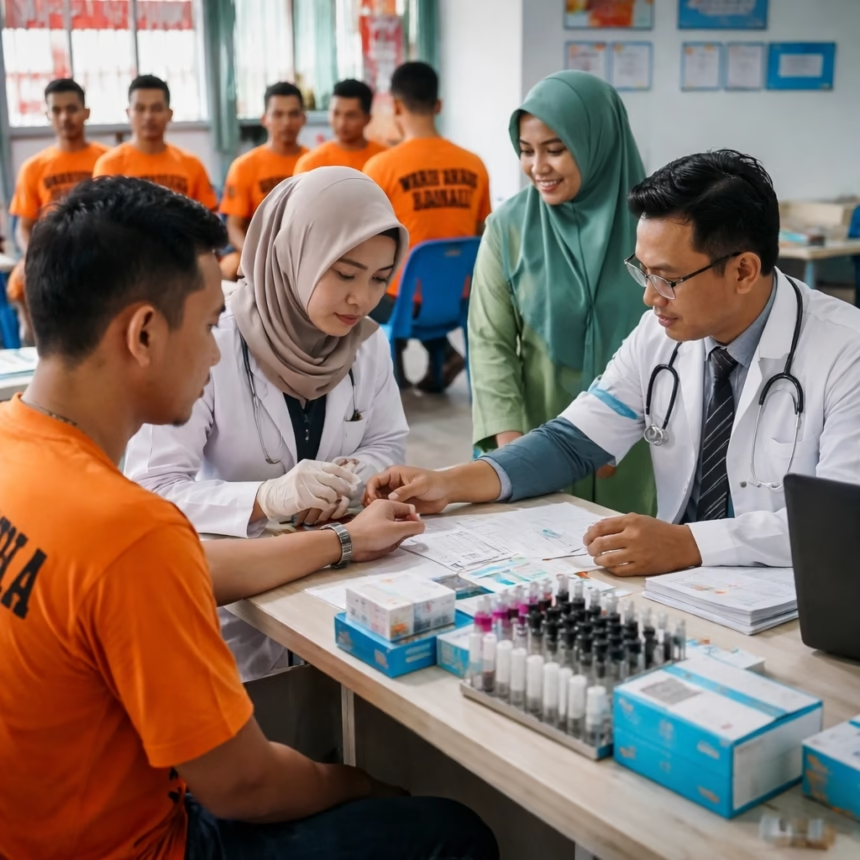
In a landmark initiative aimed at elevating the standard of inmate healthcare, Lapas Banyuwangi (Banyuwangi Correctional Facility) recently collaborated with Puskesmas Mojopanggung to provide comprehensive health services. This crucial partnership saw the delivery of Voluntary Counseling and Testing (VCT) for HIV/AIDS and extensive general health check-ups for hundreds of inmates. The program, conducted on October 26, 2023, underscores a significant commitment to human rights and public health within the correctional system in East Java.
Background
The provision of adequate healthcare within correctional facilities has long been a complex challenge globally, and Indonesia is no exception. Prisons are often characterized by high population densities, which can exacerbate the spread of infectious diseases and complicate the delivery of routine medical care. Historically, inmates have faced significant barriers to accessing quality health services comparable to those available to the general public, leading to disproportionately higher rates of various health conditions, including HIV/AIDS, tuberculosis, and chronic illnesses.
Recognizing these systemic challenges, the Ministry of Law and Human Rights (Kemenkumham), which oversees correctional facilities, has increasingly emphasized the importance of improving inmate welfare, with health being a paramount concern. National directives have encouraged correctional institutions to forge partnerships with local health authorities to bridge gaps in medical provision. Prior to this collaboration, Lapas Banyuwangi, like many facilities, relied primarily on its in-house medical staff, which, while dedicated, often faced resource limitations in addressing the diverse and extensive health needs of its large inmate population.
The context of Banyuwangi, a bustling regency in East Java, further highlights the need for robust public health interventions, as its geographical position and demographic dynamics contribute to various health considerations within its correctional system. This recent initiative represents a proactive step to align local efforts with national health mandates, specifically targeting vulnerable populations within the justice system. It marks a departure from solely reactive medical care towards a more proactive and preventative approach, reflecting a broader shift in correctional philosophy towards rehabilitation and human dignity.

Key Developments
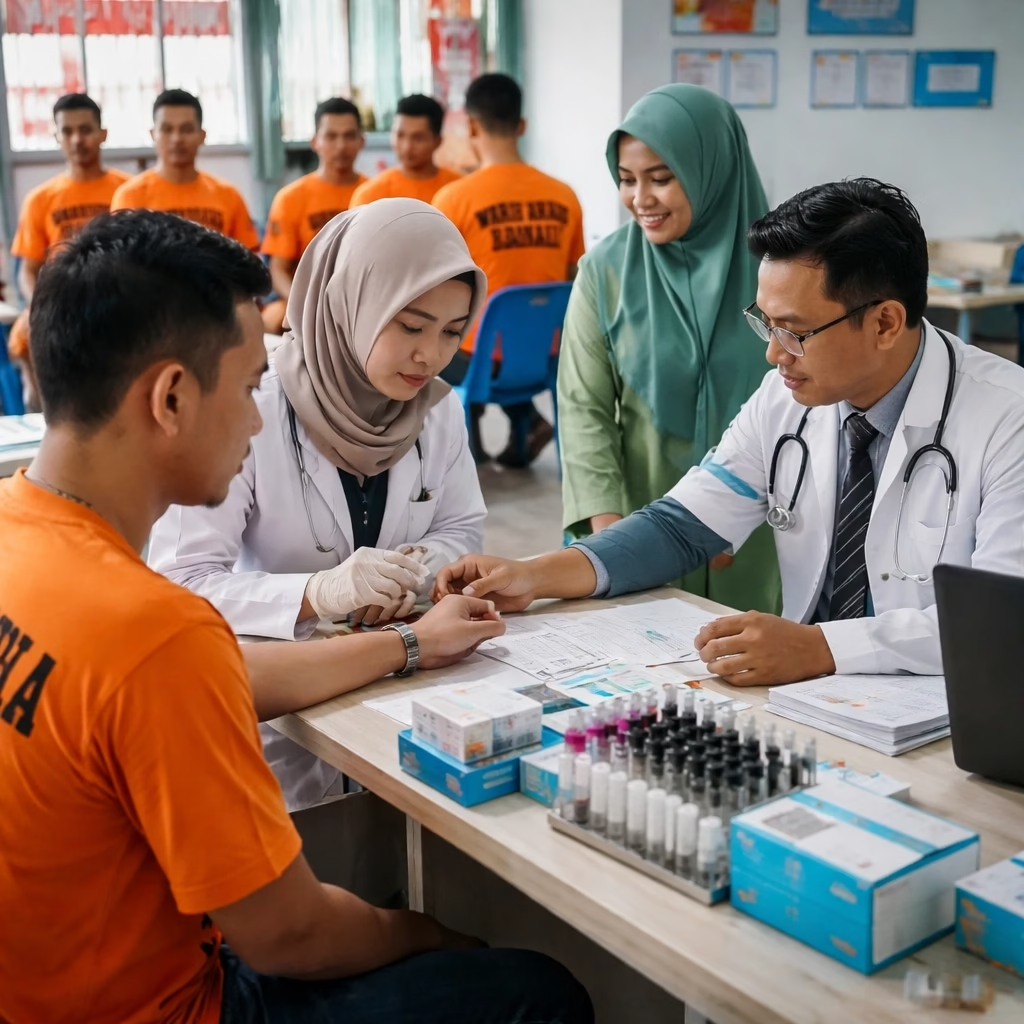
The collaboration between Lapas Banyuwangi and Puskesmas Mojopanggung culminated in a meticulously organized health screening event on October 26, 2023. This comprehensive program was designed to address both immediate and long-term health concerns of the inmate population. Over 250 inmates actively participated, demonstrating a strong willingness to engage with the health services offered.
Comprehensive Service Offerings
The core of the initiative revolved around two critical components: Voluntary Counseling and Testing (VCT) for HIV/AIDS and general health check-ups.
Voluntary Counseling and Testing (VCT): This service is particularly vital within correctional settings due to the higher prevalence rates of HIV/AIDS among incarcerated individuals. The VCT process began with confidential counseling sessions led by trained professionals from Puskesmas Mojopanggung. These sessions provided essential information about HIV transmission, prevention, and the importance of early detection, while also addressing stigma and encouraging informed decision-making regarding testing. Following counseling, inmates had the option to undergo HIV testing, with strict adherence to privacy protocols. The emphasis on "voluntary" participation was key, ensuring respect for individual autonomy and fostering trust.
* General Health Check-ups: Beyond HIV screening, the program included a range of basic yet crucial health assessments. Medical personnel conducted measurements of blood pressure, checked blood sugar levels, and performed basic physical examinations. These checks are fundamental for identifying prevalent non-communicable diseases such as hypertension and diabetes, which often go undiagnosed in resource-constrained environments. Early detection allows for timely intervention and management, preventing the progression of chronic conditions. The screenings also included basic physical assessments to identify other immediate health concerns that might require attention.
More Read
The Partnership Model
The success of the event was a testament to the seamless coordination between the two entities. Puskesmas Mojopanggung deployed a dedicated team comprising doctors, nurses, and counselors, bringing specialized medical expertise and equipment directly into the correctional facility. Lapas Banyuwangi, under the leadership of its Head of Facility, provided the necessary logistical support, ensuring a secure and conducive environment for the health services. This collaborative model not only maximized resource utilization but also fostered a sense of shared responsibility for inmate well-being, moving beyond the traditional silos of institutional care. The specific date, October 26, 2023, marks a tangible milestone in this ongoing commitment to health equity and collaborative governance.
Impact
The immediate and long-term impacts of this joint initiative are multifaceted, extending far beyond the individual inmates directly served. The program has demonstrably improved the health landscape within Lapas Banyuwangi and set a new benchmark for correctional healthcare in the region.
Beyond Individual Health
* Enhanced Inmate Well-being: For the over 250 inmates who participated, the direct benefit is immediate access to critical health information and screening. Early detection of conditions like HIV, hypertension, or diabetes means that individuals can begin treatment sooner, potentially averting serious complications and improving their quality of life during incarceration and post-release. The counseling component of VCT also played a crucial role in empowering inmates with knowledge and reducing the psychological burden often associated with health concerns, fostering a sense of hope and self-care.
* Reduced Stigma and Increased Awareness: Offering VCT services in a structured, confidential, and voluntary manner helps to destigmatize HIV/AIDS within the prison community. It promotes open dialogue about sexual health and encourages responsible health behaviors. This increased awareness is vital for preventing further transmission both inside the facility and once inmates return to their communities. The program also contributed to normalizing health-seeking behaviors among inmates.
* Safer Correctional Environment: By proactively identifying and managing infectious diseases, the program contributes to a healthier and safer environment for all residents, including prison staff. Reducing the prevalence of communicable diseases minimizes the risk of outbreaks, which can be particularly challenging to control in confined settings. This creates a more stable and manageable environment for both inmates and personnel.
* Upholding Human Rights: The provision of comprehensive health services aligns with national and international human rights standards that mandate access to healthcare for all individuals, regardless of their legal status. This initiative demonstrates Lapas Banyuwangi’s commitment to upholding these fundamental rights, fostering a more humane and rehabilitative correctional system that views inmates as individuals deserving of dignified care.
* Community Health Benefits: Upon release, inmates who have received diagnoses and initiated treatment are less likely to transmit diseases to the broader community. This public health approach benefits society at large by breaking cycles of infection and promoting overall community well-being. The partnership strengthens the link between institutional health and public health, recognizing that the health of incarcerated populations is inextricably linked to the health of the wider community.
The positive reception from inmates and the efficiency of the service delivery underscore the profound impact of such collaborations, fostering a sense of care and dignity among a population often marginalized.
What Next
The successful implementation of the VCT and general health check-up program at Lapas Banyuwangi is not merely a one-off event but a foundational step towards a more robust and sustainable inmate healthcare system. Both Lapas Banyuwangi and Puskesmas Mojopanggung have expressed strong commitments to continuing and expanding this vital partnership.
Roadmap for Continued Care
* Regular and Expanded Screenings: The immediate next step involves institutionalizing regular health screening programs. This includes establishing a consistent schedule for VCT and general health check-ups, perhaps on a quarterly or semi-annual basis, to ensure ongoing monitoring of inmate health. Future expansions could encompass screenings for other prevalent diseases such as tuberculosis (TB), hepatitis, and specific mental health assessments, which are critically important in correctional settings given the psychological toll of incarceration.
* Follow-up and Treatment Pathways: A key focus will be on developing clear pathways for follow-up care and treatment for inmates diagnosed with specific conditions. This involves close coordination between the prison’s internal medical unit and Puskesmas Mojopanggung, ensuring that individuals receive appropriate medication, counseling, and referrals to specialized services if needed. For conditions like HIV, ensuring continuous access to Antiretroviral Therapy (ART) is paramount for both individual health and public health.
* Capacity Building for Prison Staff: To enhance the long-term sustainability of improved healthcare, there is an anticipated focus on training and capacity building for Lapas Banyuwangi’s internal medical staff. This could involve workshops on disease management, counseling techniques, and the latest public health protocols, allowing them to provide more comprehensive primary care on an ongoing basis and reduce reliance on external teams for routine services.
* Integration with Rehabilitation Programs: Future initiatives aim to integrate health services more closely with existing rehabilitation programs. Addressing physical and mental health issues can significantly improve an inmate’s engagement with educational and vocational training, ultimately enhancing their prospects for successful reintegration into society upon release. A healthy inmate is more receptive to rehabilitation efforts.
* Replication and Best Practices: The success of this collaboration positions Lapas Banyuwangi as a model for other correctional facilities in East Java and potentially nationwide. The Ministry of Law and Human Rights may look to this partnership as a blueprint for establishing similar community-based health interventions in other prisons, fostering a network of comprehensive inmate healthcare and sharing lessons learned.
* Commitment to Sustainability: Both institutions are exploring formalizing their partnership through Memoranda of Understanding (MoUs) to ensure the long-term sustainability of these services, securing resources, and defining roles and responsibilities for future endeavors. This commitment underscores a shared vision for a correctional system that prioritizes the health and human dignity of all its inhabitants, ensuring that this initiative is not just a temporary measure but a lasting commitment.
More Read

The ongoing commitment from Lapas Banyuwangi and Puskesmas Mojopanggung promises a brighter, healthier future for inmates, reflecting a progressive approach to justice and public health.