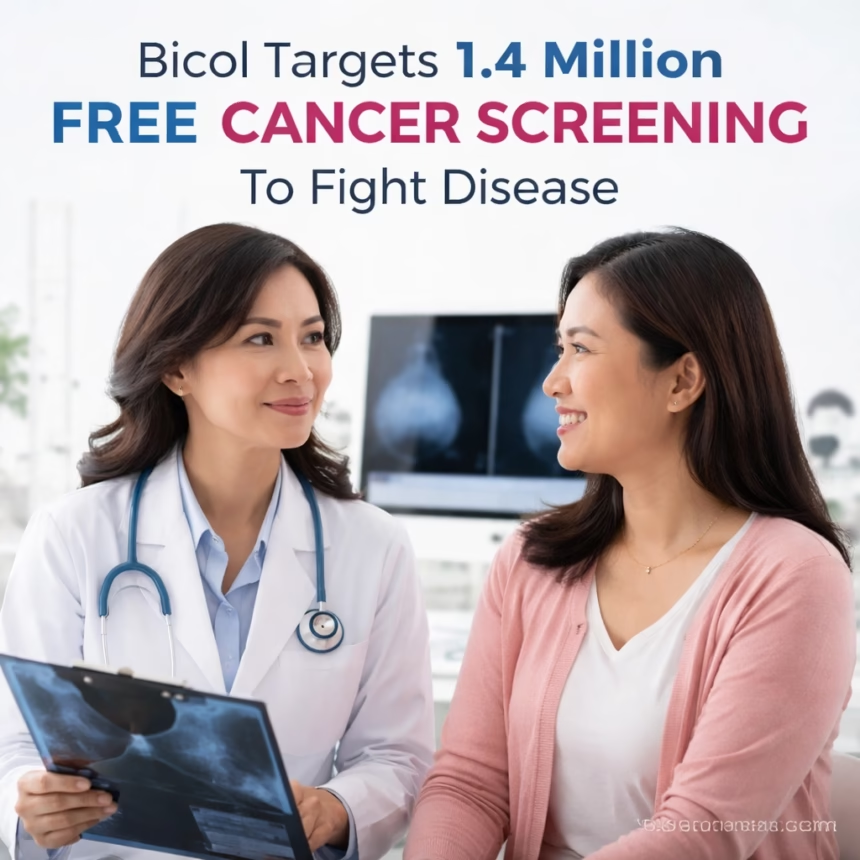
Manila, Philippines – The Bicol Region is embarking on a significant initiative to combat cancer, aiming to screen 1.4 million residents for the disease within the next three years. The program, announced on October 26, 2023, is a collaborative effort between the Department of Health (DOH) and local government units in the region.
Background
Cancer remains a leading cause of mortality in the Philippines, with the Bicol Region experiencing a disproportionately high number of cases. Data from the Philippine Statistics Authority (PSA) indicates that approximately 25,000 Filipinos die from cancer annually, representing about 3.5% of all deaths. The DOH has consistently emphasized the importance of early detection through screening programs as a crucial step in improving cancer survival rates.
The Bicol Region has seen a gradual increase in cancer incidence over the past decade, largely attributed to lifestyle changes and environmental factors. Previous screening efforts have been limited in scope, focusing primarily on cervical and breast cancer. The current initiative signifies a broader commitment to addressing all types of cancer prevalent in the area. The program's roots can be traced back to the DOH's national cancer screening program launched in 2017, which has been steadily expanding its reach.
Key Developments
The Bicol Region's cancer screening program is being enhanced through several key developments. A major focus is on leveraging mobile screening units equipped with advanced diagnostic equipment. These units will be deployed to remote areas and communities with limited access to healthcare facilities. The DOH is also working with local hospitals and clinics to expand their capacity for cancer diagnosis and treatment.
A partnership with private healthcare providers is also being forged to increase the availability of screening services. This includes offering subsidized screenings for low-income families and providing financial assistance to those who cannot afford the costs. Furthermore, the program incorporates public awareness campaigns to educate residents about cancer risk factors and the importance of regular screening. These campaigns are being rolled out through various media channels, including radio, television, and social media.

The Bicol Regional Medical Center (RMC), located in Legazpi City, is playing a pivotal role in coordinating the screening efforts and providing diagnostic services. RMC has already established a dedicated cancer screening center to handle the anticipated influx of patients. The hospital is also collaborating with specialized cancer treatment centers in Manila to offer advanced therapies to those who require them.
Impact
The Bicol Region is home to approximately 3.5 million people, with a significant portion residing in rural areas. The program’s impact will be felt across the region, particularly among vulnerable populations such as women, men, and children. Cancer is a major concern for women in the region, with cervical and breast cancer being the most prevalent. The program aims to reduce the incidence of these cancers through early detection and timely treatment.
The initiative also seeks to address the rising cases of lung, liver, and colorectal cancer in the area. Early detection of these cancers can significantly improve treatment outcomes and prolong survival. The program’s success will also have a ripple effect on the local economy, as it can reduce healthcare costs in the long run and improve the overall quality of life for residents. The DOH estimates that early detection can lead to a 20-30% increase in survival rates for several types of cancer.
More Read
What Next
The DOH anticipates that the screening program will be fully operational within the next six months. The initial phase will focus on identifying the most vulnerable populations and deploying mobile screening units to underserved areas. Data collection and analysis will be conducted throughout the program to monitor its effectiveness and make necessary adjustments.
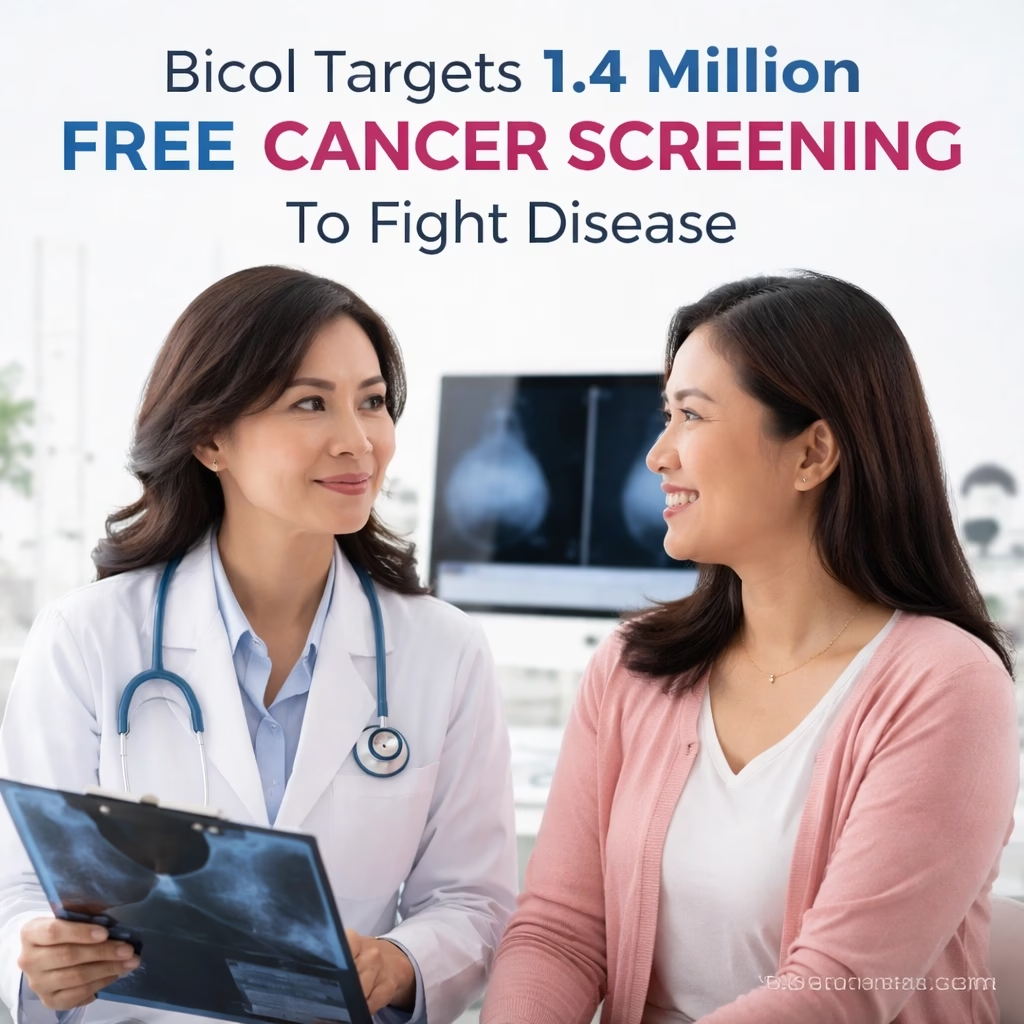
Key milestones include:
* Phase 1 (October 2023 – March 2024): Deployment of mobile screening units to 10 priority provinces in the Bicol Region. Initial screening of 500,000 individuals.
* Phase 2 (April 2024 – September 2024): Expansion of screening coverage to include additional provinces and increase the number of screened individuals to 500,000. Establishment of partnerships with private healthcare providers.
* Phase 3 (October 2024 – December 2025): Comprehensive screening program covering the entire Bicol Region, targeting 1.4 million individuals. Implementation of public awareness campaigns and training programs for healthcare workers.
The DOH is committed to ensuring that the program is sustainable and that it continues to benefit the residents of the Bicol Region for years to come. Regular monitoring and evaluation will be conducted to assess the program’s impact and identify areas for improvement.