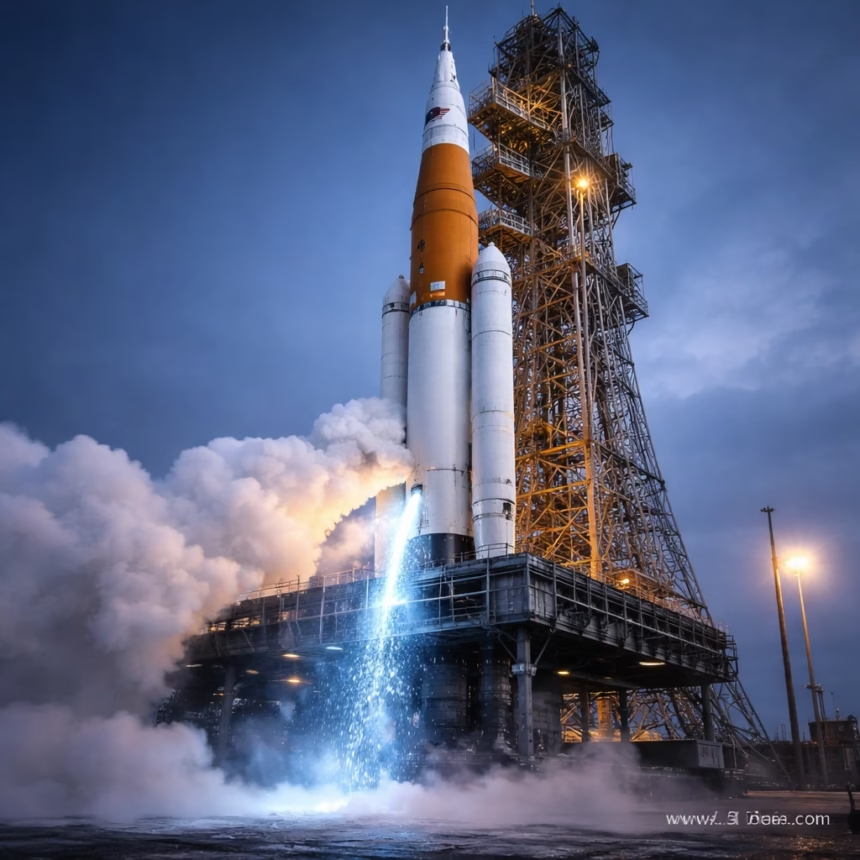
Lunar Mission Faces Fuel Leak Hurdles
NASA's Artemis II mission, slated for a lunar flyby in November 2024, is facing challenges due to persistent leaks of liquid hydrogen, a critical component of the Orion spacecraft's propulsion system. These leaks have raised concerns about mission readiness and potential delays to the agency's ambitious lunar exploration program.
Background
The Artemis program, initiated in 2017, aims to return humans to the Moon by 2025, with Artemis II representing the first crewed test flight around the Moon. This mission will carry four astronauts – Reid Wiseman, Victor Glover, Christina Koch, and Jeremy Hansen – on a roughly 10-day journey. The Orion spacecraft, designed by Lockheed Martin, relies on liquid hydrogen and liquid oxygen for its upper stage engine, crucial for trajectory adjustments and lunar orbit insertion. Significant testing and development have been underway since the program's inception, with numerous milestones achieved, including the successful uncrewed Artemis I test flight in December 2022.
Key Developments
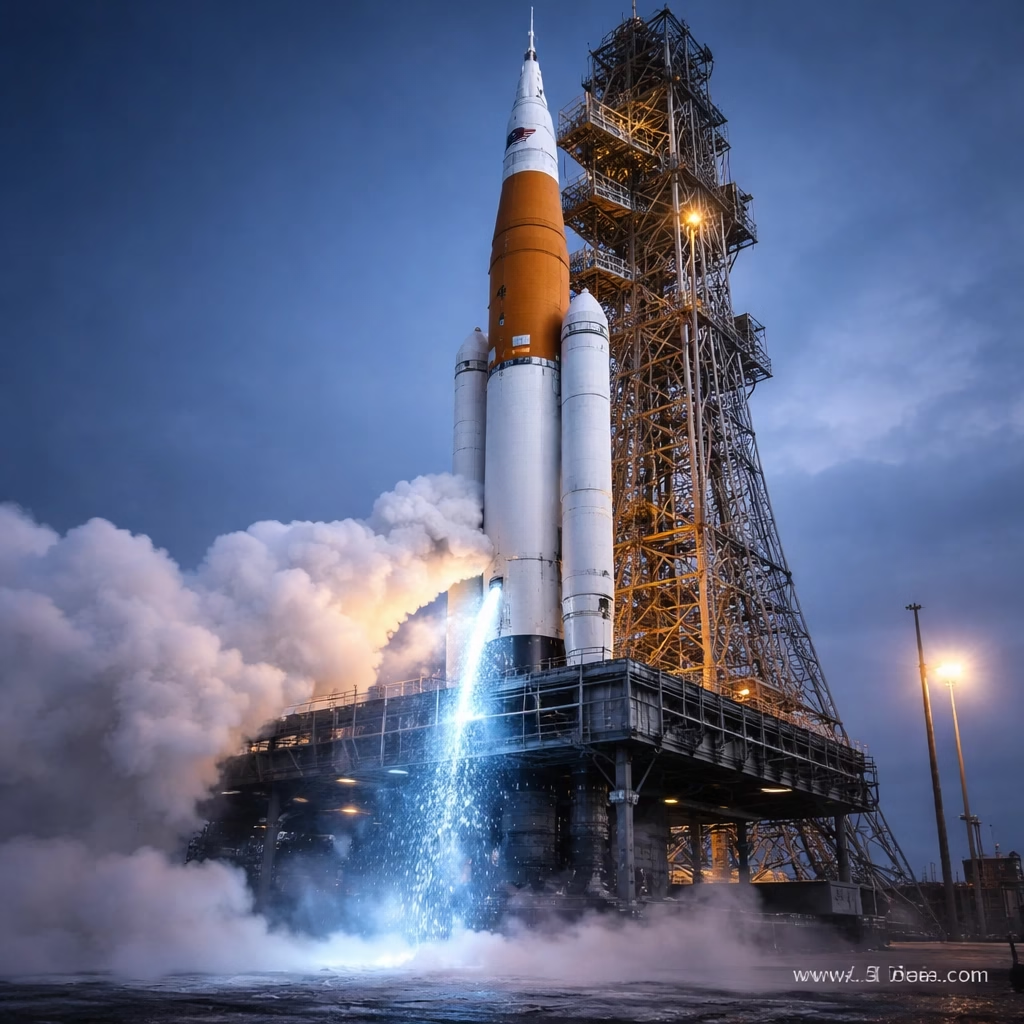
Recent weeks have seen increased reports of liquid hydrogen leaks during testing of the Orion spacecraft at the Kennedy Space Center in Florida. While minor leaks have been observed previously, the frequency and severity of these incidents have escalated. These leaks are occurring during routine propellant loading and transfer operations. NASA engineers have been working to identify the root cause of the leaks, with initial assessments pointing to potential issues with valves and seals within the cryogenic propellant systems. The agency has confirmed that the leaks are being addressed but have not yet provided a definitive timeline for a resolution.
Specifically, reports indicate that engineers are focusing on ensuring proper sealing of connections between propellant tanks and the engine. The cold temperatures associated with liquid hydrogen (-253°C or -423°F) exacerbate the challenges of maintaining a tight seal. NASA officials have emphasized that these are normal challenges associated with working with cryogenic propellants, but the recent increase in leakage is prompting heightened scrutiny.

Impact
The leaks pose a significant risk to the Artemis II mission's schedule and overall success. Prolonged testing and repair efforts could lead to delays in the launch date. Furthermore, the leaks raise concerns about the safety of the crew and the integrity of the spacecraft's systems. While NASA maintains that the leaks are being managed and do not pose an immediate threat, the situation has added a layer of complexity to an already ambitious program.
The potential delays could also impact downstream missions, including Artemis III, which is planned to land astronauts on the Moon's south pole in 2025. These delays could have significant financial implications for NASA and its partners, as well as potentially affecting international collaborations involved in the Artemis program.
More Read

What Next
NASA is currently conducting a thorough investigation to determine the precise cause of the leaks and implement corrective measures. This includes detailed inspections of all propellant systems, rigorous testing of seals and valves, and potential modifications to the spacecraft's design. The agency has stated that it is committed to resolving the issue as quickly and safely as possible.
Troubleshooting Steps
NASA engineers are employing several strategies to address the leaks. These include recalibrating valve settings, replacing potentially faulty seals, and conducting extensive leak detection tests. Simulation tests are also being run to identify potential weaknesses in the system under varying temperature and pressure conditions.
Launch Timeline
While no official launch date has been changed as of October 26, 2023, NASA officials have acknowledged the possibility of a delay. A decision regarding the launch timing is expected in the coming weeks, following the completion of the ongoing investigation and repair work. The agency is working to maintain a flexible schedule to mitigate any potential impact from these challenges.
NASA is actively monitoring the situation and will provide updates as they become available. The agency remains committed to achieving its goals for lunar exploration while prioritizing the safety of its astronauts and the success of the Artemis program.