Cuban Getaway: Moscow Rushes to Rescue Vacationers
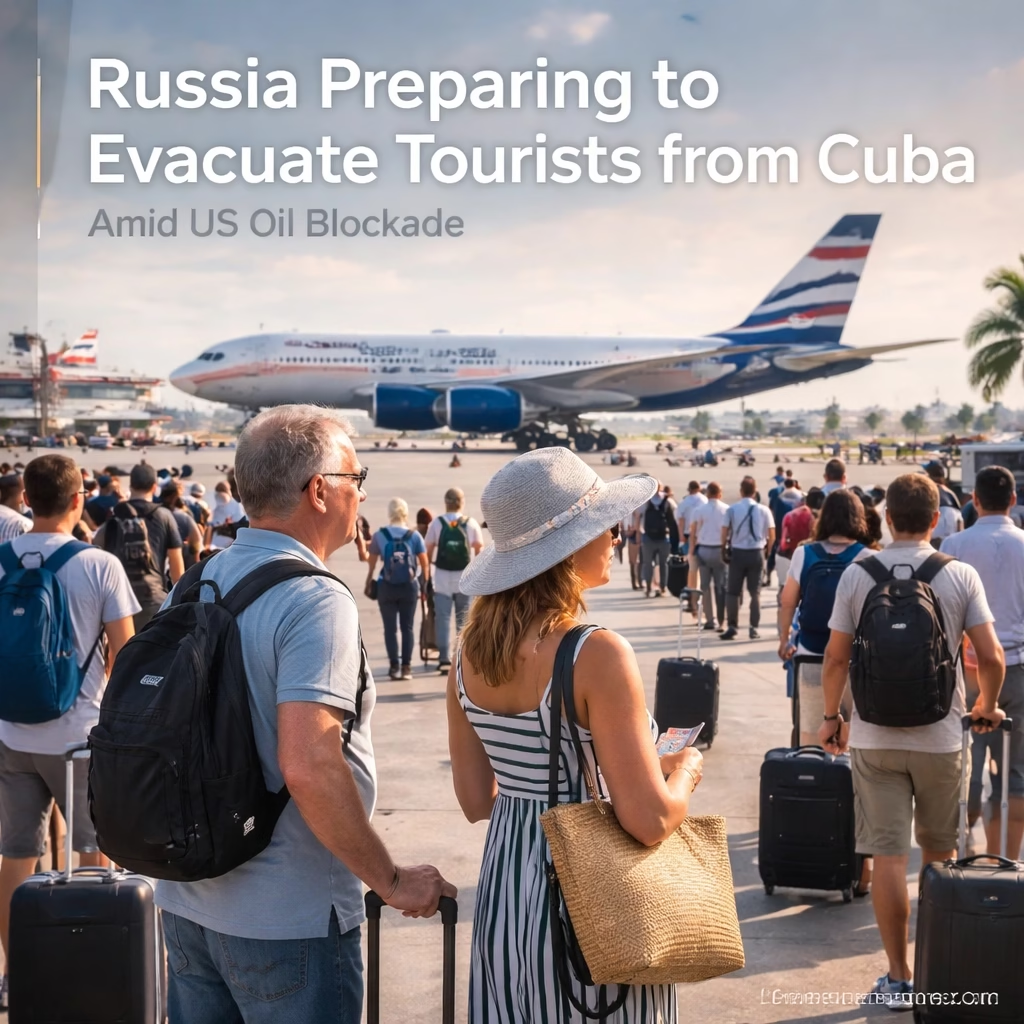
Moscow is undertaking a swift effort to evacuate Russian tourists from Cuba, citing logistical challenges stemming from the ongoing US embargo and disruptions to air travel. The move, announced on November 27, 2023, comes as tensions surrounding the situation escalate and concerns grow regarding the safety and well-being of Russian citizens abroad.
Background: A Complex Relationship
Relations between Russia and Cuba have strengthened considerably in recent years. Cuba has become a key partner for Russia, particularly in the context of international sanctions and geopolitical shifts. Following Russia’s invasion of Ukraine in February 2022, Cuba has been a vocal supporter of Moscow, aligning with its stance on the conflict. This deepening relationship has seen increased Russian investment in Cuban infrastructure and a surge in Russian tourism to the island nation. Prior to the conflict, Cuba was a popular destination for Russian holidaymakers, drawn by its beaches, climate, and relatively affordable prices.
The US embargo against Cuba, in place since the early 1960s, has long restricted trade and investment between the two countries. While some easing of restrictions has occurred in recent years, significant limitations remain, impacting the availability of spare parts for aircraft and complicating logistical operations for airlines.
Key Developments: Air Travel Woes and Evacuation Plans
Recent weeks have witnessed a sharp increase in cancellations and delays of flights between Moscow and Havana. Russian airlines, including Aeroflot and S7 Airlines, have reported difficulties in maintaining regular schedules due to difficulties obtaining necessary maintenance and spare parts for their aircraft. The US embargo is frequently cited as a primary reason for these challenges.

On November 27, 2023, the Russian Ministry of Foreign Affairs announced a comprehensive plan to evacuate Russian citizens from Cuba. The plan involves utilizing available flights, prioritizing vulnerable groups such as elderly individuals and those with medical conditions. The Russian government is also working with Cuban authorities to identify and assist Russian tourists facing difficulties.
Initial reports indicate that approximately 15,000 Russian tourists are currently in Cuba, primarily located in resorts along the northern and southern coasts. The evacuation process is being coordinated through Russian consulates in Havana and with airlines operating routes to Moscow.
Impact: Tourists Stranded and Economic Concerns
The disruptions have left many Russian tourists stranded in Cuba, facing uncertainty about their return home. Concerns are growing about access to medical care, food, and accommodation for those affected. Social media platforms are filled with reports of frustrated tourists and anxieties about the situation.
More Read

The difficulties in air travel also have broader economic implications. The disruption of tourism flows between Russia and Cuba will impact businesses on both sides. Cuban tourism revenue, already recovering from the impact of the COVID-19 pandemic, may be negatively affected. Russian businesses with investments in Cuba may also face challenges related to logistics and supply chains.
What Next: A Gradual Return
The Russian government anticipates a gradual evacuation process, with priority given to those most in need. The timeframe for the complete evacuation is currently unclear, but officials have indicated that it will take several days, possibly weeks, to bring all Russian citizens back to Russia.
Logistical Hurdles
The evacuation faces considerable logistical challenges. Securing sufficient aircraft and crew, navigating the complexities of the Cuban aviation system, and coordinating with airlines are all significant hurdles. The ongoing US embargo continues to constrain options.
Alternative Routes
Russian authorities are exploring alternative routes for the evacuation, including utilizing flights through other countries. However, these routes may be more expensive and time-consuming. The government is also investigating the possibility of chartering additional aircraft to assist with the evacuation.
Government Support
The Russian government is providing financial assistance to tourists stranded in Cuba, including covering accommodation, food, and transportation costs. Consulates are offering consular support to assist with travel arrangements and address emergencies.